The Quiet Work of Iron: A Story of Ferrous Sulphate in East African Industry
A behind-the-scenes look at the people, processes, and precision behind ferrous sulphate in East African industry. From water engineers and warehouse teams to fertilizer blenders, discover why quality chemical supply is about knowledge and integrity.
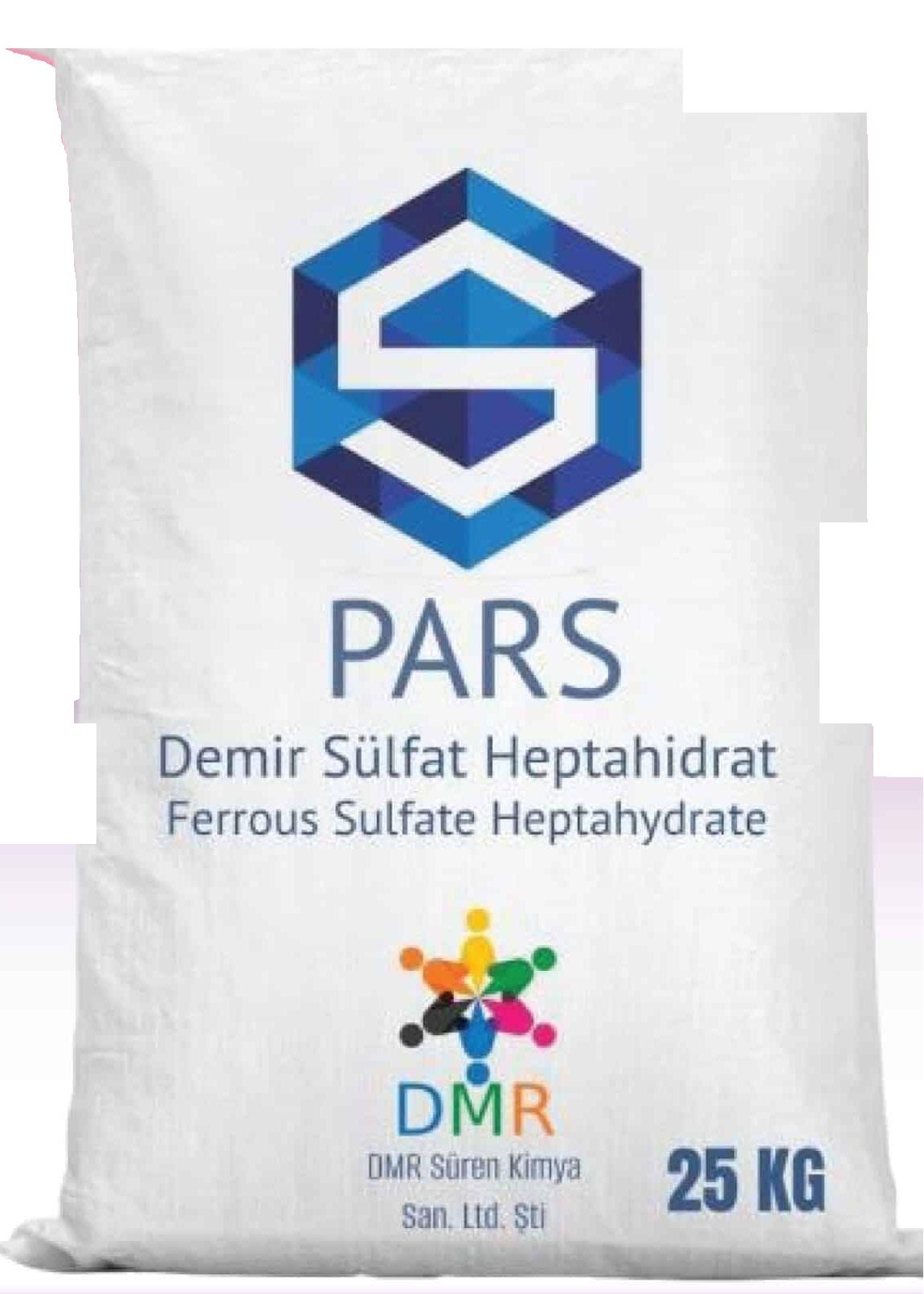
Ferrous Sulphate Heptahydrate 98% Min in 25 kg bags supplied by KIKI'S Industrial Chemicals.
Quick Answer — The Quiet Work of Iron: A Story of Ferrous Sulphate in East African Industry
The story of ferrous sulphate in East African industry is a story of quiet precision. Across municipal water works, tea estates, textile mills, and manufacturing plants from Mombasa to Kampala, this pale green crystalline salt performs foundational chemical work: neutralizing toxic waste, purifying water bodies, and fortifying agricultural soils. KIKI'S approach is founded on the belief that genuine chemical supply is about technical clarity, verified documentation, and personal responsibility to the operators relying on every bag.
1. The Unseen Foundations of Industry
Factories rarely celebrate the chemicals that make their processes work.
When a beverage bottling plant in Nairobi exceeds its daily production targets, visitors admire the gleaming stainless steel conveyors and the high-speed filling lines. Nobody walks past the water treatment plant at the rear of the compound—where a dosing pump quietly meters a pale green solution of ferrous sulphate into a clarification basin, ensuring that hundreds of cubic meters of process effluent meet environmental standards before returning to the municipal drainage.
When a tea estate in Kericho or a rose farm on the shores of Lake Naivasha harvests record-breaking yields of vibrant green foliage, observers credit the weather and the soil. Few notice the dry fertilizer blender who carefully weighed out bags of ferrous sulphate heptahydrate into a ribbon mixer at dawn, ensuring every plant received bioavailable iron to synthesize chlorophyll.
When a process engineer in Athi River sits at a wooden desk under a single fluorescent light fixture, meticulously checking a batch Certificate of Analysis before authorizing an offloading truck, they are performing the quiet, disciplined work that keeps an entire industrial economy running.
2. The Fragile Nature of a Green Crystal
Chemically, ferrous sulphate heptahydrate (FeSO₄·7H₂O) is a humble substance. Nature created it with seven molecules of water bound lightly to each iron atom in delicate monoclinic crystal lattices. It is pale sea-green when pristine, reminiscent of river glass.
Yet that very crystal structure makes it vulnerable. Leave it exposed to the warm, humid air of a coastal transit depot in Mombasa, and the crystal surrendered to oxygen and moisture—slowly turning a bruised yellowish-brown as divalent iron transforms into insoluble trivalent ferric oxides. Place it in a poorly stitched bag on a damp warehouse floor, and seven crystal waters will dissolve into their neighbours, welding individual granules into an unyielding block of chemical rock.
This is why chemical engineering cannot be divorced from operational craftsmanship. A specification sheet that reads 'Assay: 98.0% Min' is not an abstract piece of marketing. It is a promise that 19.7% of that bag is active, electron-donating iron ready to neutralize heavy metals or precipitate phosphate. If that promise is broken, a factory's effluent treatment plant fails, a crop develops iron deficiency chlorosis, or a dosing pump seized by insoluble grit halts an entire production line.
3. The 1,000-Kilometre Corridor
Consider the journey every sack of chemical makes before it arrives at a factory floor. Loaded into a maritime container at an overseas port, it crosses the Indian Ocean, enters Kilindini Harbour in Mombasa, and negotiates customs inspection. From the coast, it rides heavy commercial trailers up the escarpment to Nairobi's Industrial Area.
From Nairobi, the distribution network fans out across East Africa: trucks carrying palletized stock west along the Northern Corridor through Nakuru, Eldoret, and across the border at Malaba into Uganda; regional hauliers heading south through Namanga into Arusha and Moshi; and cross-border freighters journeying across the savannah to Rwanda, Burundi, and beyond.
Along every kilometer of that journey, temperature shifts, torrential downpours, and physical vibration test the integrity of packaging. That is why heavy woven polypropylene bags with heat-sealed internal polyethylene liners exist. It is why KIKI'S enforces pallet wrap standards and maintains clean, dry buffer warehousing along Enterprise Road in Nairobi.
Inspect the technical specifications of KIKI'S Ferrous Sulphate Heptahydrate 98% Min developed for East African operating conditions.
4. The Responsibility of Supply
At KIKI'S, we have watched the chemical trade evolve over decades. We have seen traders treat chemical distribution as mere speculation—buying unverified odd lots, printing generic labels, and disappearing when a shipment turns up caked, off-spec, or laden with insoluble grit.
We believe the industrial community deserves something better. Industrial managers in Kenya and East Africa carry immense responsibilities: environmental audits by NEMA, strict worker health guidelines, tight production margins, and rigorous corporate standards. They do not need sales pitches; they need technical honesty.
They need a supplier who can explain why a heptahydrate crystal behaves differently from a monohydrate powder. They need a team that provides lot-matched Certificates of Analysis before delivery trucks leave the depot. They need partners who say plainly: 'Here is what this chemical can do, here is what it cannot do, and here is how you should store it.'
5. KIKI'S Perspective
“Good chemical supply is not simply moving bags from one place to another. It is helping the person on the other side of the order know that what arrives is understood, documented and fit for the job it was purchased to do.”
Every sack of ferrous sulphate that leaves our warehouse carries that philosophy. Because when the quiet work of iron is done right, factories run smoothly, waters run clear, and industry thrives.
Review the comprehensive procurement guide: Ferrous Sulphate Heptahydrate 98%: Buyer's Guide Kenya.
Understand regional supply logistics across East Africa: Ferrous Sulphate in East Africa: Practical Procurement Guide.
Article Frequently Asked Questions
Chemicals Mentioned in This Guide

Ferrous Sulfate Heptahydrate 98% Min
Ferrous Sulphate Heptahydrate 98% Min (FeSO₄·7H₂O, CAS 7782-63-0) is an industrial-grade iron(II) salt supplied in 25…
CAS 7782-63-0 · Industrial Grade · Crystal

ABS/LAS 80% for Industrial Use (ABS/LAS)
ABS/LAS (80%) supplied by Kiki's Industrial Chemicals Ltd in 25kg bags across Kenya and East Africa.
Technical Grade · Powder

ATMP (50%)
ATMP (50%) supplied by Kiki's Industrial Chemicals Ltd in 200kg drum. Ideal for Water treatment chemicals.
50% · Standard Packaging

ATMP 50% for Industrial Use (ATMP)
ATMP (50%) supplied by Kiki's Industrial Chemicals Ltd in 200kg drums across Kenya and East Africa.
Technical Grade · Liquid
Related Technical Guides & Insights
View all →Why Ferrous Sulphate Turns Brown: Oxidation, Moisture and Storage
Understand the chemistry of iron(II) to iron(III) oxidation. Learn why ferrous sulphate crystals change from pale green to brown, and how to assess usability.
Industrial & Water ChemicalsWhere to Buy Industrial Chemicals in Kenya: The Definitive B2B Procurement & Quality Verification Guide
The definitive B2B procurement guide to sourcing industrial, food-grade, and water treatment chemicals in Kenya. Sourcing hubs, KEBS standards, COAs, and how Kiki's Industrial Chemicals delivers reliable supply.
Industrial & Water ChemicalsIndustrial Acids in Kenya: Hydrochloric Acid 33% (Muriatic), Oxalic Acid & Formalin Guide
Source Hydrochloric Acid 33% (22° Bé), Oxalic Acid 99.6%, and Formalin 37% in Kenya. Technical guide to metal pickling, boiler descaling, and leather processing.