Ferrous Sulphate in East Africa: A Practical Procurement Guide for Kenya, Tanzania, Uganda and Rwanda
A regional procurement guide for importing and transporting ferrous sulphate heptahydrate across the East African Community. Covers trade corridors, customs clearing, buffer stock management, and cross-border transit logistics.
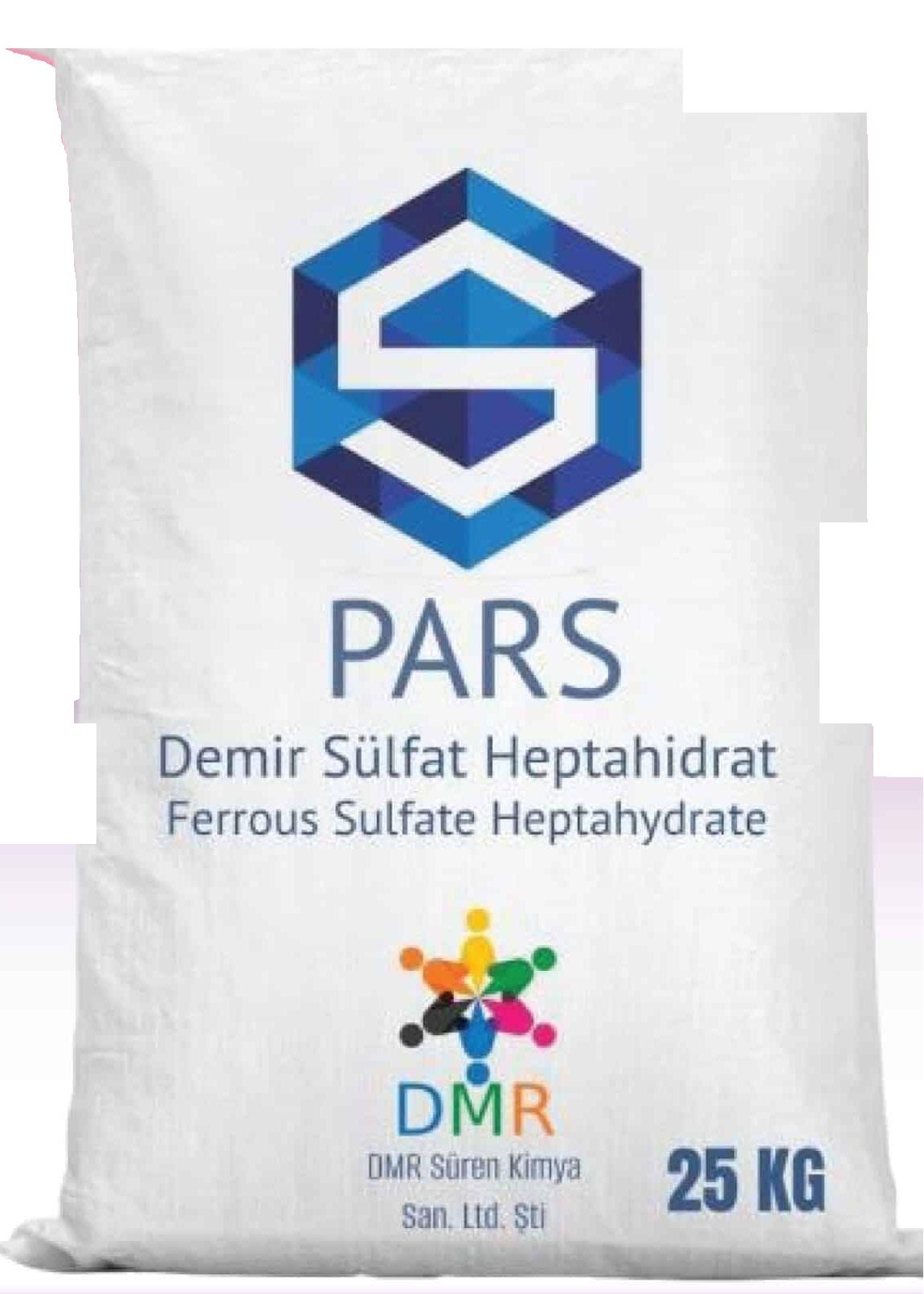
Ferrous Sulphate Heptahydrate 98% Min in 25 kg bags supplied by KIKI'S Industrial Chemicals.
Quick Answer — Ferrous Sulphate in East Africa: A Practical Procurement Guide for Kenya, Tanzania, Uganda and Rwanda
Procuring ferrous sulphate heptahydrate across East Africa requires managing supply corridors originating from primary ports (Mombasa and Dar es Salaam) or drawing from regional distribution hubs like Nairobi. Cross-border transit through the East African Community (EAC) Single Customs Territory requires certified product COAs, EAC Certificates of Origin, national standards compliance (KEBS, TBS, UNBS), and moisture-protected trucking.
1. The East African Industrial Landscape for Chemical Sourcing
Industrial growth across the East African Community (EAC) has spurred surging demand for foundational water treatment and metallurgical chemicals. Mining projects in Tanzania, textile and beverage plants in Uganda, flower farms and municipal wastewater treatment works in Kenya, and manufacturing parks in Rwanda all require dependable access to technical grade ferrous sulphate heptahydrate.
However, importing commodity inorganic chemicals into the region entails navigating volatile maritime freight rates, port congestion, customs clearance protocols, and unpredictable monsoon weather conditions.
2. Regional Transport Corridors
Chemical supply chains in East Africa depend upon two primary transit arteries:
The Northern Corridor
Originating at the Port of Mombasa (Kilindini Harbour), this corridor traverses Nairobi, Nakuru, Eldoret, and Malaba into Uganda (Tororo, Jinja, Kampala), extending further into Rwanda (Gatuna/Katuna into Kigali), Burundi, and Eastern DR Congo. It also branches north from Eldoret and Lodwar to Juba, South Sudan, and from Nairobi via Moyale to Southern Ethiopia.
The Central Corridor
Originating at Dar es Salaam, connecting inland via Dodoma to northwestern Tanzania (Mwanza, Shinyanga), with multimodal links into Rwanda (Rusumo) and Burundi (Kobero).
3. Why Nairobi Acts as the East African Buffer Hub
Direct factory importation by individual manufacturing plants in Kampala, Kigali, or Mwanza carries substantial risk. A 20ft container shipment from Asian or European manufacturing ports typically requires 45 to 65 days transit. Port delays, customs queries, or shipping line container roll-overs can leave an effluent plant or fertilizer blender without active coagulant for weeks.
KIKI'S operates a central distribution and inventory hub in Nairobi's Industrial Area. By maintaining consistent buffer stock of certified 98% ferrous sulphate heptahydrate in Nairobi:
- Domestic Kenyan buyers receive same-day collection or 24-hour delivery.
- Ugandan clients (Kampala, Jinja) receive consolidated truck dispatches within 48 to 72 hours.
- Rwandan clients (Kigali, Bugesera) receive cross-border dispatches within 4 to 6 days.
- Buyers in northern Tanzania (Arusha, Moshi) benefit from fast transit via Namanga border post.
Explore KIKI'S certified Ferrous Sulphate Heptahydrate 98% Min available for regional dispatch from Nairobi.
4. Cross-Border Documentation and Standards Compliance
Moving industrial chemicals across EAC borders requires strict adherence to trade documentation to avoid costly border detentions:
- East African Single Customs Territory (SCT): Streamlines customs clearance by lodging customs declarations at the destination country prior to goods movement from Mombasa or Nairobi.
- Certificate of Conformity (CoC): Under Pre-Export Verification of Conformity (PVoC) schemes, products imported into Kenya require KEBS approval; products transiting into Uganda require UNBS compliance; goods into Tanzania require TBS verification.
- Commercial Invoices and Packing Lists: Explicitly stating net and gross weights, CAS number (7782-63-0), and correct HS Tariff Code (2833.29.00).
- Manufacturer Certificate of Analysis (COA): Verifying batch identity and compound assay of at least 98.0%.
- Safety Data Sheet (SDS): Standard 16-section GHS-compliant document required for road transport manifest.
5. Weather-Protected Road Freight Logistics
Transporting ferrous sulphate heptahydrate across equatorial East Africa exposes cargo to extreme conditions: scorching sunshine that heats truck container walls, alternating with sudden torrential rains. If water enters the cargo bay or condensation forms on truck ceilings ('container rain'), unlined bags will absorb moisture and consolidate into uncrushable blocks.
KIKI'S enforces strict vehicle standards for regional dispatch: dry, leak-tested containerized trailers or fully enclosed box trucks, accompanied by heavy tarpaulin covers and dry wooden dunnage to isolate cargo from the truck bed.
Verify chemical quality before purchase: Buying Industrial Chemicals in Kenya: Quality Verification.
Check commercial bag and pallet standards: 25kg Ferrous Sulphate Heptahydrate Procurement Checklist.
Article Frequently Asked Questions
Chemicals Mentioned in This Guide

Ferrous Sulfate Heptahydrate 98% Min
Ferrous Sulphate Heptahydrate 98% Min (FeSO₄·7H₂O, CAS 7782-63-0) is an industrial-grade iron(II) salt supplied in 25…
CAS 7782-63-0 · Industrial Grade · Crystal

Caustic Soda (Flakes, Pearls) (99% min)
Caustic Soda (Flakes, Pearls) (99% min) supplied by Kiki's Industrial Chemicals Ltd in 25kg bag. Ideal for Textile…
CAS 1310-73-2 · 99% min · Standard Packaging

Caustic Soda (Flakes/Pearls/Liquid) (96-99% min; 44-50% min)
Caustic Soda (Flakes/Pearls/Liquid) (96-99% min; 44-50% min) supplied by Kiki's Industrial Chemicals Ltd in 25kg bag /…
CAS 1310-73-2 · 96-99% min; 44-50% min · Standard Packaging

Caustic Soda Flakes / Pearls (99% min; 98% 96%)
Caustic Soda Flakes / Pearls (99% min; 98% 96%) supplied by Kiki's Industrial Chemicals Ltd in 25 / 1000kg bags. Ideal…
CAS 1310-73-2 · 99% min; 98% 96% · Standard Packaging
Related Technical Guides & Insights
View all →Ferrous Sulphate Heptahydrate 98%: What Buyers in Kenya Need to Know Before Ordering
A comprehensive procurement guide for industrial chemical buyers in Kenya. Understand the difference between 98% compound purity and elemental iron, packaging standards, COA parameters, and regional sourcing options.
Chemical ProcurementFerrous Sulphate Heptahydrate: Common Buyer Mistakes and How to Avoid Them
Avoid costly industrial procurement errors when ordering ferrous sulphate. Learn how confusing assay with elemental iron, ignoring hydration forms, accepting unlined sacks, and skipping COA verifications inflate factory operating costs.
Product OverviewsFerrous Sulphate Heptahydrate vs Monohydrate: Which Form Do You Need?
A technical and economic comparison between Ferrous Sulphate Heptahydrate (FeSO₄·7H₂O, 19.7% Fe) and Monohydrate (FeSO₄·H₂O, 30% Fe). Discover which form fits your process and budget.