Ferrous Sulfate Heptahydrate 98% Min
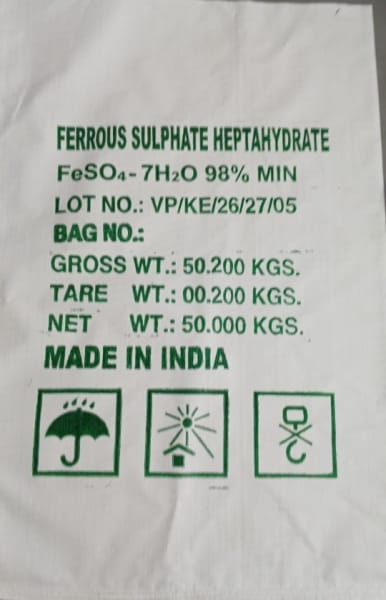
Ferrous Sulphate Heptahydrate 98% Min (FeSO₄·7H₂O, CAS 7782-63-0) is an industrial-grade iron(II) salt supplied in 50…
CAS 7782-63-0 · Industrial Grade · Crystal

Manufacturing plants, municipal water utilities, food processors, tanneries, and textile mills across Kenya must treat high-volume wastewater streams to comply with strict NEMA discharge regulations and county water sewerage standards. KIKI'S supplies heavy inorganic coagulants including Polyaluminium Chloride (PAC 30%), Aluminium Sulfate (Alum 17%), high-molecular-weight Polyacrylamide (PAM) flocculants, and Caustic Soda for rapid COD/BOD reduction, colloidal solids settling, and heavy metal precipitation.
For wastewater & effluent treatment applications, KIKI'S Industrial Chemicals supplies documented industrial-grade raw materials and specialty formulation chemicals. We provide consistent chemical inputs and technical documentation to commercial operators across Kenya and the East African market.
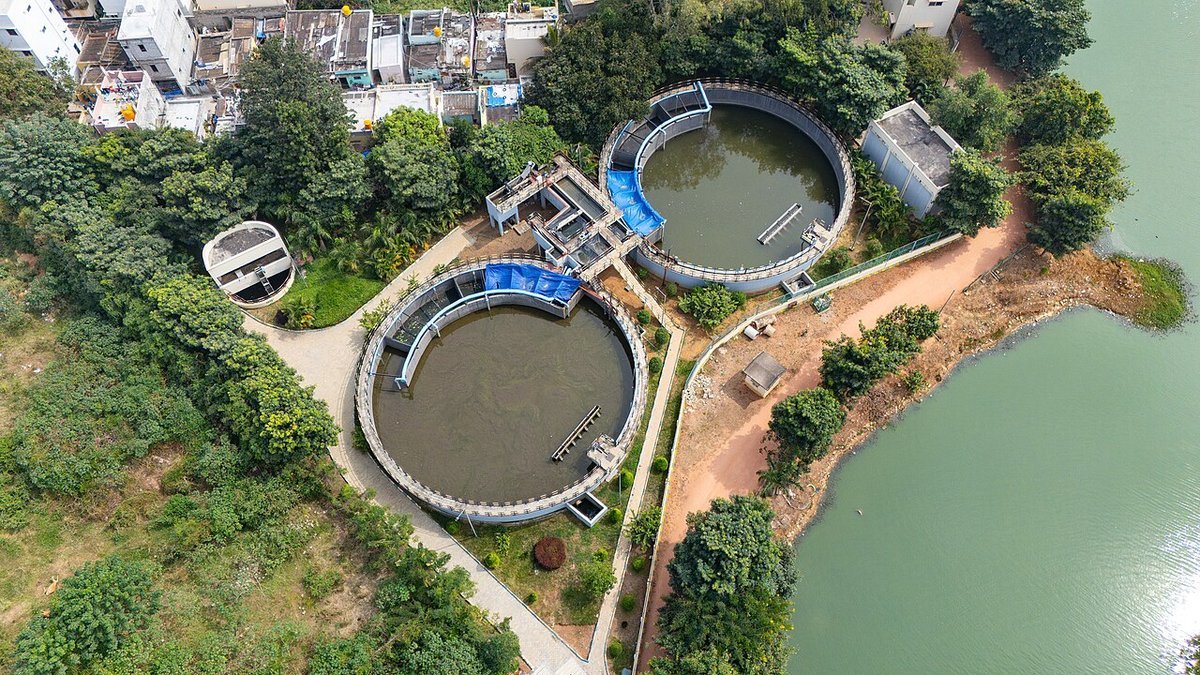
Wastewater and effluent treatment is the application of physical-chemical coagulants, flocculants, and neutralizing reagents to destabilize, aggregate, and remove suspended solids, organic pollutants, and toxic contaminants from industrial and municipal wastewater streams.
Key Facts
Primary Use Cases
Industrial and municipal wastewater streams carry high burdens of suspended colloidal solids, dissolved organic matter, toxic heavy metals (chromium, copper, nickel), and emulsified oils that impart high turbidity and chemical oxygen demand (COD). Colloidal particles remain dispersed indefinitely due to mutual electrostatic repulsion created by negative surface charges (Zeta potential).
Treatment begins with rapid flash-mixing of multivalent inorganic coagulants. Polyaluminium Chloride (PAC 30% Al2O3) and Aluminium Sulfate (17% Alum) dissociate in water, releasing highly charged poly-nuclear aluminium cations (such as Al13 complexes) that compress the electrical double layer. This neutralizes surface charges within seconds, enabling microscopic particles to collide and aggregate into visible micro-flocs.
Following coagulation, gentle slow-paddle flocculation is initiated with high-molecular-weight Polyacrylamide (PAM) polymers (anionic PAM for mineral/industrial waste, cationic PAM for biological sewage and tannery sludge). Long polymer chains capture micro-flocs through inter-particle bridging, creating large, dense, rapid-settling macro-flocs. In sedimentation clarifiers and DAF units, clarified supernatant water separates cleanly, while settled sludge is dewatered via belt filter presses into dry, manageable filter cakes suitable for safe disposal.

Cationic and anionic polyacrylamides, alum, and ferric chloride for settling suspended solids in municipal and industrial WWTPs.
Influent Equalization & pH Trimming
Buffering raw effluent to optimal coagulation pH (6.5–7.8) using Caustic Soda or Sulfuric Acid.
Rapid Coagulant Flash Mixing
Dosing Polyaluminium Chloride (PAC) or Aluminium Sulfate under high-shear mixing (100–150 RPM) for 1–2 minutes.
Polymer Flocculation Bridging
Injecting 0.1% Polyacrylamide (PAM) flocculant solution under slow, gentle paddle mixing (20–40 RPM) for 15 minutes.
Clarifier Sedimentation or DAF Floatation
Separating heavy floc sludge by gravity sedimentation or dissolved air floatation, discharging clean clarified water.
Sludge Conditioning & Dewatering QC
Dewatering sludge on belt presses or drying beds, and testing treated effluent parameters against NEMA limits.
Showing 1–1 of 1 catalogued products
Ferrous Sulphate Heptahydrate 98% Min (FeSO₄·7H₂O, CAS 7782-63-0) is an industrial-grade iron(II) salt supplied in 50…
CAS 7782-63-0 · Industrial Grade · Crystal
Slashes COD, BOD, TSS, and heavy metal concentrations down to statutory national discharge limits.
High-molecular-weight PAM polymers accelerate settling, reducing clarifier retention time and preventing solids washout.
Polyaluminium Chloride (PAC) works effectively across pH 5.5 to 9.0 with less alkalinity consumption than raw alum.
Optimized chemical conditioning produces compact sludge with higher dry cake solids, lowering hazardous transport disposal costs.
Related Applications
COMMERCIAL & TECHNICAL GUIDANCE
Technical and process guidance for wastewater & effluent treatment in Kenya and East Africa.
PAC is pre-polymerized and contains highly charged polymeric aluminum species. It functions over a wider pH range (5.5–9.0), forms denser and faster-settling flocs, consumes significantly less natural water alkalinity, and generates less sludge volume compared to raw alum.