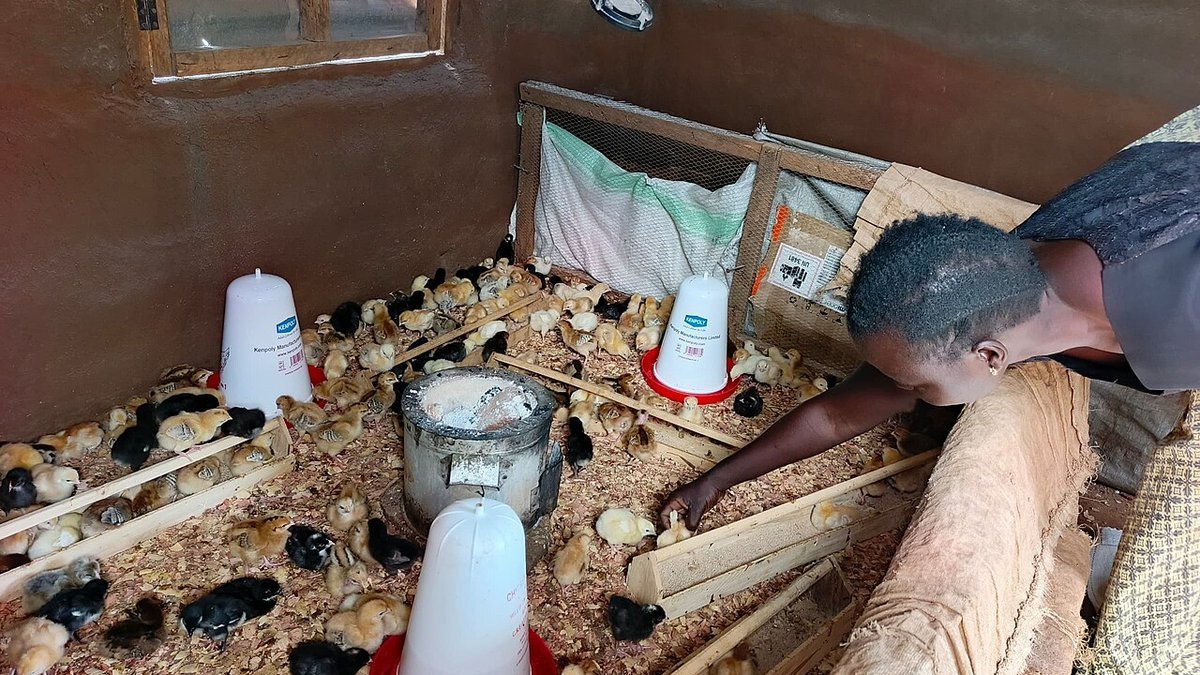
Biosecure commercial poultry house with automated feeders and drinkers maintained with chemical sanitation
Chemical application profile

Disinfection & Sanitation

Facility biosecurity, municipal water disinfection, and commercial food sanitation in Kenya require verified broad-spectrum disinfectants with guaranteed active halogen content. KIKI'S supplies industrial-grade Sodium Hypochlorite, high-assay Calcium Hypochlorite (HTH 65-70%), and chemical biocides across East Africa.

Target SectorsIndustrial Cleaning & Hygiene Chemicals Supplier in Kenya · Food & Beverage Chemical Ingredients & CIP Sanitizers Kenya · Industrial & Municipal Water Treatment Chemicals Supplier Kenya
Packaging25kg Bags · 200L Drums · IBC Tankers · Bulk Delivery
DocumentationBatch COA, TDS & SDS Available on Request

Quick Answer — Disinfection & Sanitation

For disinfection & sanitation applications, KIKI'S Industrial Chemicals supplies documented industrial-grade raw materials and specialty formulation chemicals. We provide consistent chemical inputs and technical documentation to commercial operators across Kenya and the East African market.

Disinfection and sanitation chemicals comprise high-potency halogen donors, oxidizing agents, and biocides formulated to eliminate pathogenic microorganisms from potable water, processing surfaces, and institutional facilities.

Key Facts

  • •Application: Disinfection & Sanitation
  • •Commercial Supply: Industrial chemical grades with full TDS and SDS documentation
  • •Regional Distribution: Dispatched from Nairobi to production plants across Kenya and East Africa
  • •Procurement Options: Commercial bags, drums, IBC totes, and scheduled delivery agreements

Primary Use Cases

Municipal and rural drinking water reservoir chlorination and pathogen controlTerminal sanitization of food and beverage processing lines, tanks, and pasteurizersBiosecurity sanitation of commercial poultry houses, livestock pens, and hatcheriesHealthcare and hospitality facility hard-surface decontamination and infection control

Technical Process

Biocidal Mechanisms and Halogen Disinfection Chemistry

Commercial disinfection is a vital barrier against waterborne disease and foodborne pathogens across East Africa. Whether treating municipal drinking water reservoirs, sanitizing hospital wards, or decontaminating poultry processing plants, chemical disinfection relies on proven biocidal mechanisms.

Chlorine-based disinfectants—principally liquid Sodium Hypochlorite (10–15%) and granular Calcium Hypochlorite (65–70%)—act via the formation of hypochlorous acid (HOCl) upon dissolution in water. Hypochlorous acid is a neutral, low-molecular-weight molecule that effortlessly penetrates bacterial cell walls, rapidly oxidizing essential sulfhydryl enzymes, disrupting metabolic respiration, and causing irreversible microbial cell death within minutes.

pH Equilibrium, Free Chlorine and Contact Time (CT Values)

The germicidal efficacy of chlorine is strictly pH-dependent. At pH 6.5–7.5, the highly biocidal hypochlorous acid (HOCl) predominates; above pH 8.0, it dissociates into the much less effective hypochlorite ion (OCl-). Effective disinfection management requires calibrating the CT value (free available chlorine concentration multiplied by contact time) to ensure the complete destruction of vegetative bacteria, viruses, and resilient protozoan cysts.

Biosecure commercial poultry house with automated feeders and drinkers maintained with chemical sanitation

Broad-spectrum quaternary ammonium compounds, glutaraldehyde blends, and chlorine dioxide for farm and facility biosecurity.

Standard Application Process

  1. 1

    Gross Organic Pre-Cleaning

    Thoroughly washing and degreasing surfaces with detergents, as heavy organic matter depletes available chlorine.

  2. 2

    Solution Dilution & Concentration Verification

    Diluting chemical concentrate in clean water to target ppm available chlorine (200–500 ppm for surfaces, 1–3 ppm for water).

  3. 3

    pH Optimization

    Buffering wash solution to pH 6.5–7.5 to maximize the proportion of active hypochlorous acid (HOCl).

  4. 4

    Surface Application & Contact Time Dwell

    Applying disinfectant via spraying, fogging, or immersion, ensuring surfaces remain wet for at least 5–10 minutes.

  5. 5

    Final Treated Water Rinse

    Rinsing food-contact surfaces with potable water where required, or allowing self-sanitizing air dry.

Recommended Chemicals for Disinfection & Sanitation

Showing 1–4 of 4 catalogued products

Filter Full Catalogue (4) →
Mining Chemicals & Flotation
Carbomer 940 commercial packaging

Carbomer 940 (Cosmetic / Technical Grade)

Carbomer 940 supplied by KIKI'S Industrial Chemicals in 20 kg box for industrial, manufacturing, and commercial…

Used for: Liquid Soap & Shampoo Thickener · Disinfection & Sanitation
20 Kg Box (Origin: India)

CAS 9007-20-9 · Cosmetic / Technical Grade · Powder
View Product
Industrial Solvents
Ethanol 96

Ethanol 96% Industrial Alcohol (Denatured / ENA)

High-purity Ethyl Alcohol 96% v/v (Denatured & Extra Neutral Alcohol) for hand sanitizer formulation, pharmaceutical…

Used for: Disinfection & Sanitation · Industrial Cleaning Applications
20L HDPE Jerrycan200L HDPE / Steel Drum1000L IBC Tote

CAS 64-17-5 · Technical Grade · Liquid

View Product
Industrial Cleaning Chemicals & Disinfectant Raw Materials
LABSA 96% (Linear Alkyl Benzene Sulfonic Acid) (Industrial Grade, Liquid) in commercial industrial packaging

LABSA 96% for High-Yield Commercial Soap & Detergent Manufacturing

Prime-grade Linear Alkyl Benzene Sulfonic Acid 96% (LABSA) anionic surfactant for dishwashing liquids, detergent…

Used for: Detergent & Soap Manufacturing · Industrial Cleaning Applications · Disinfection & Sanitation
210kg Tighthead HDPE Drum1050kg IBC Tank

CAS 27176-87-0 · Industrial Grade · Liquid

View Product

Key Performance Advantages

  • ✓
    Broad-Spectrum Antimicrobial Kill

    Proven 99.999% destruction of bacteria (Salmonella, E. coli, Listeria), viruses, and fungi.

  • ✓
    Verified Active Halogen Assay

    Certified chlorine assay percentages ensure predictable ppm dilution and regulatory compliance.

  • ✓
    Multi-Industry Versatility

    Effective across municipal drinking water, healthcare facilities, food plants, and agricultural packhouses.

  • ✓
    Certified Batch Quality Documentation

    Every shipment includes certified batch COAs confirming assay purity and low heavy metals.

Key Industrial Use Cases

Municipal potable water chlorination and reservoir residual pathogen controlFood and beverage processing plant Clean-In-Place (CIP) terminal sanitationCommercial poultry hatchery, broiler shed, and livestock biosecurity disinfectionHealthcare facility surface decontamination and infectious waste treatment

COMMERCIAL & TECHNICAL GUIDANCE

FAQs — Disinfection & Sanitation

Technical and process guidance for disinfection & sanitation in Kenya and East Africa.

Sodium Hypochlorite is a clear yellow liquid containing 10% to 15% available chlorine, ideal for automated liquid dosing systems. Calcium Hypochlorite (HTH) is a white granular solid containing 65% to 70% available chlorine with a much longer shelf-life, ideal for remote sites and high-concentration shock dosing.