Hygiene Beyond Aesthetics: Industrial Sanitation in Kenya
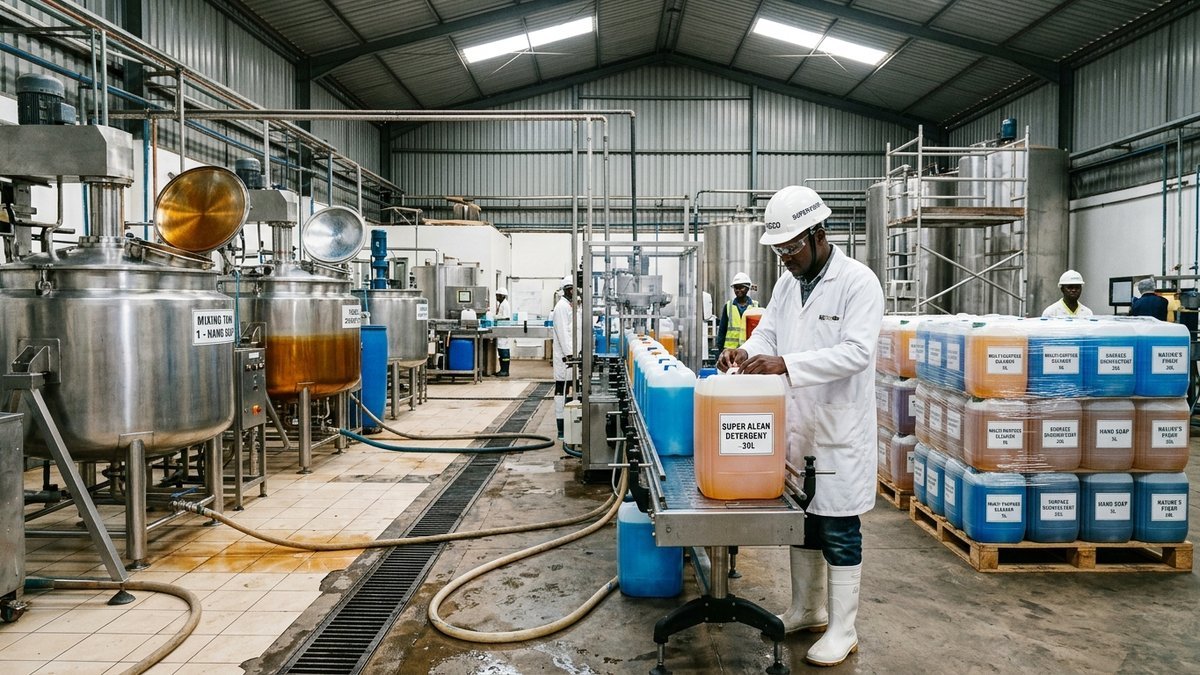
Commercial cleaning in modern facilities is fundamentally applied surface chemistry, not just elbow grease. In a food processing plant in Nakuru, a dairy reception bay in Eldoret, or a five-star hotel along the Kenyan coast, sanitation failures cause catastrophic bacterial outbreaks (Listeria, Salmonella, E. coli) and swift public health sanctions.
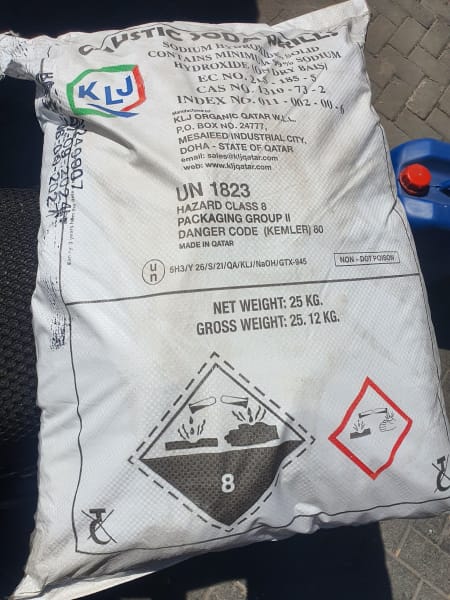
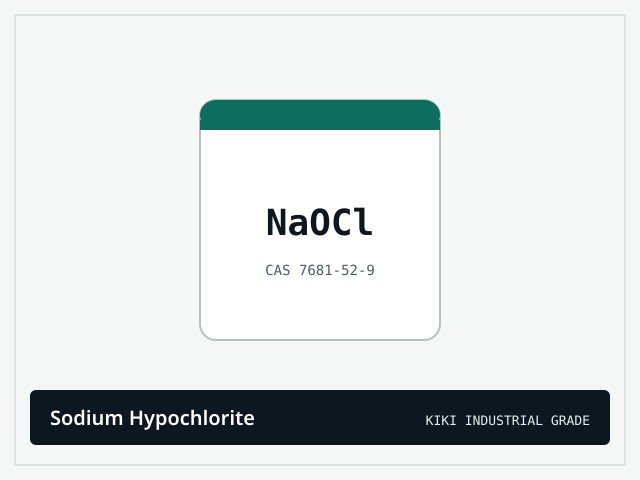
Effective sanitation requires understanding soil chemistry. Protein and fat residues demand hot alkaline degreasing and saponification using sodium hydroxide or potassium hydroxide builders. Hard water mineral scale and milkstone require acid washes formulated with phosphoric or sulfamic acid. Finally, microbial destruction requires calibrated sanitizing agents—sodium hypochlorite, peracetic acid, or quaternary ammonium compounds—applied at verified contact times.
Clean-In-Place (CIP) & Institutional Facility Protection
Modern processing plants cannot afford to dismantle stainless steel pipework and heat exchangers daily. Clean-In-Place (CIP) systems rely on automated circulation of chemical cleaning cycles. Inadequate chemical concentration leaves resistant biofilms, while improper rinsing or chemical choice corrodes expensive 316-grade stainless steel.
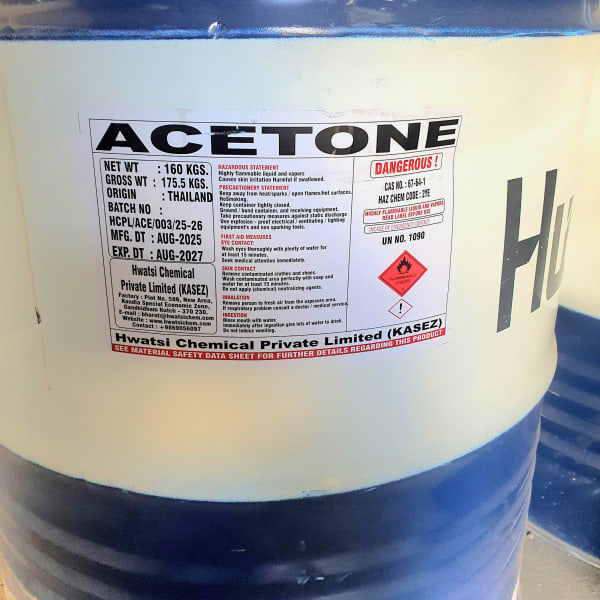
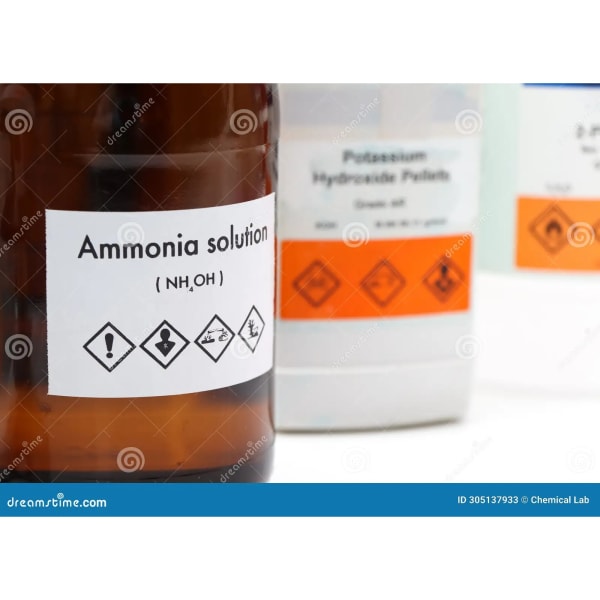
KIKI'S supplies industrial and commercial cleaning chemicals engineered for institutional facilities, contract cleaning companies, and food processors. We provide the active chemical raw materials and formulated concentrates that maintain impeccable hygiene while protecting your capital assets.