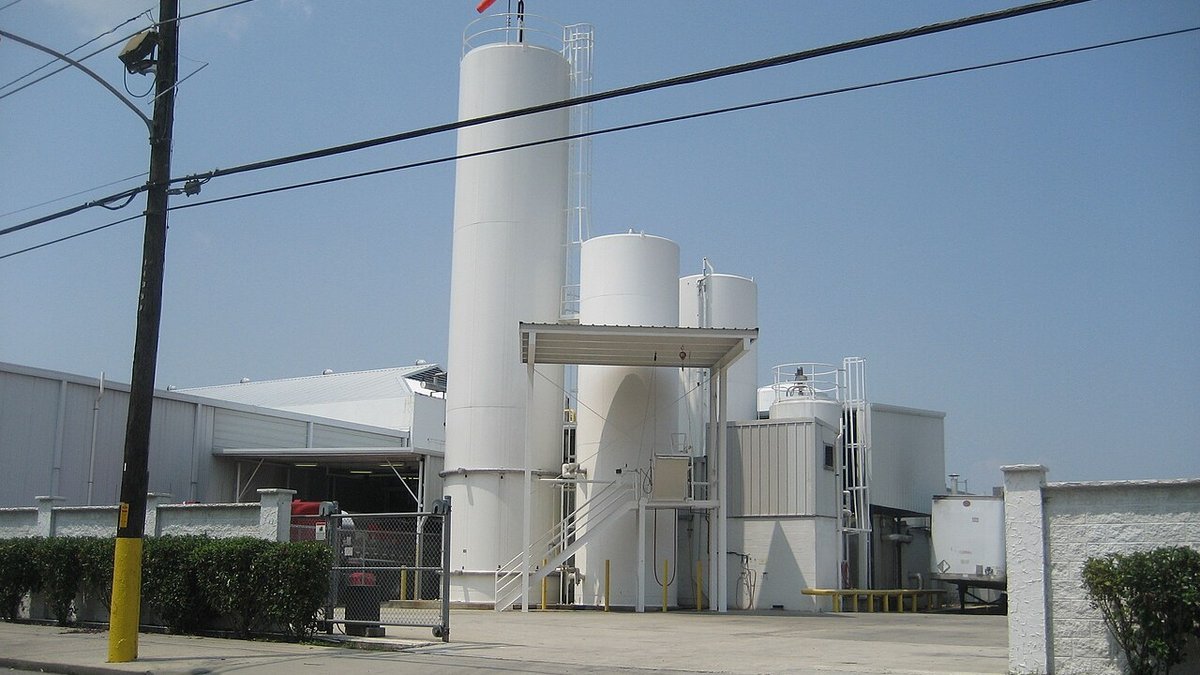
Stainless steel dairy processing storage silos with automated clean-in-place sanitary manifolds
Chemical application profile

CIP Chemical Cleaning

Automated Clean-In-Place (CIP) systems in food, beverage, and pharmaceutical facilities require precision chemical circulation to eliminate organic soils, mineral scale, and microbial biofilms without dismantling stainless steel pipework. KIKI'S supplies heavy-duty caustic cleaners, descaling acids, and sanitizers across Kenya.

Target SectorsFood & Beverage Chemical Ingredients & CIP Sanitizers Kenya · Industrial Cleaning & Hygiene Chemicals Supplier in Kenya · Pharmaceutical Raw Materials & Excipients Supplier Kenya
Packaging25kg Bags · 200L Drums · IBC Tankers · Bulk Delivery
DocumentationBatch COA, TDS & SDS Available on Request

Quick Answer — CIP Chemical Cleaning

For cip chemical cleaning applications, KIKI'S Industrial Chemicals supplies documented industrial-grade raw materials and specialty formulation chemicals. We provide consistent chemical inputs and technical documentation to commercial operators across Kenya and the East African market.

Clean-In-Place (CIP) chemical cleaning is the automated circulation of specialized alkaline detergents, acid descalers, and sanitizers through industrial processing equipment without dismantling pipework.

Key Facts

  • •Application: CIP Chemical Cleaning
  • •Commercial Supply: Industrial chemical grades with full TDS and SDS documentation
  • •Regional Distribution: Dispatched from Nairobi to production plants across Kenya and East Africa
  • •Procurement Options: Commercial bags, drums, IBC totes, and scheduled delivery agreements

Primary Use Cases

Automated cleaning and degreasing of brewery fermenters, bright beer tanks, and wort coolersRemoval of stubborn milkstone and milk fat deposits in commercial dairy pasteurizersCIP sanitization of fruit juice pasteurizers, syrup tanks, and aseptic filling valvesSterilization and validation cleaning of pharmaceutical liquid compounding vessels

Technical Process

Hydrodynamics and Chemistry of Automated CIP Systems

Clean-In-Place (CIP) technology is the lifeblood of hygienic processing in modern breweries, juice bottling plants, dairies, and pharmaceutical facilities in Kenya. In enclosed pipework, heat exchangers, centrifuges, and storage silos, manual cleaning is impossible. CIP systems rely on circulating chemical cleaning solutions at controlled temperatures, velocities (>1.5 m/s turbulent flow), and chemical concentrations.

Effective CIP requires a balanced multi-stage chemical regime. An initial warm water pre-rinse purges bulk loose soils. This is followed by a hot alkaline wash (1.0–2.5% NaOH at 65–80°C) where sodium hydroxide saponifies animal fats, solubilizes complex proteins, and hydrolyzes organic residues. Intermediate rinsing removes spent caustic, paving the way for an acid wash (0.5–1.5% Phosphoric or Nitric acid) to dissolve mineral scale, water hardness deposits, and oxalate/phosphate salts.

Terminal Sanitization and Asset Protection

The final stage is cold terminal sanitization using Peracetic Acid (PAA), Sodium Hypochlorite, or Hydrogen Peroxide to destroy remaining vegetative pathogens. Chemical purity is paramount: using low-grade uninhibited hydrochloric acid causes catastrophic pitting of sanitary 316L stainless steel, while contaminated caustic introduces heavy metals into the food contact loop.

Stainless steel dairy processing storage silos with automated clean-in-place sanitary manifolds

Caustic soda, nitric acid, and peracetic acid formulated for automated Clean-In-Place sanitation in food and beverage facilities.

Standard Application Process

  1. 1

    Treated Water Pre-Rinse

    Circulating warm water (40–50°C) for 5–10 minutes to flush out loose organic product residue to drain.

  2. 2

    Hot Alkaline Caustic Circulation

    Circulating 1.0–2.0% caustic soda wash at 65–75°C to saponify fats and break down proteinaceous soil.

  3. 3

    Intermediate Fresh Water Rinse

    Flushing clean water until return rinse conductivity and pH drop to neutral, removing residual alkali.

  4. 4

    Acid Descaling Circulation

    Circulating 0.5–1.0% phosphoric or nitric acid wash at 50–60°C to dissolve mineral scale and passivate steel.

  5. 5

    Final Cold Sanitizer Rinse

    Circulating validated food-contact sanitizer (peracetic acid or chlorine) to achieve commercial sterility.

Recommended Chemicals for CIP Chemical Cleaning

Showing 1–3 of 3 catalogued products

Filter Full Catalogue (3) →
Industrial Alkalis
Caustic Soda Flakes 99% (Industrial / Technical Grade (High Purity Membrane Grade), White Flakes / Micro Pearls) in commercial industrial packaging

Caustic Soda Flakes 99% for Soap, Detergent & Industrial Cleaning

High-purity Caustic Soda Flakes 99% (Sodium Hydroxide) for soap saponification, CIP cleaning, water treatment, and…

Used for: CIP Chemical Cleaning · pH Adjustment & Neutralization · Industrial Cleaning Applications
25kg Woven PP Bag with PE Inner Liner1,000kg Jumbo Bag

CAS 1310-73-2 · Industrial / Technical Grade (High Purity Membrane Grade) · White Flakes / Micro Pearls
View Product
Industrial Alkalis
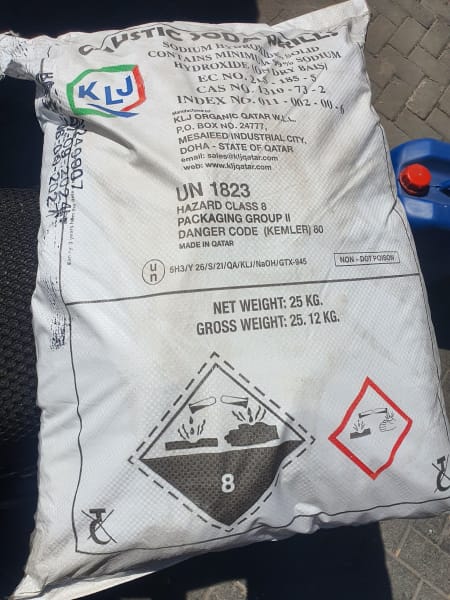
Caustic Soda Pearls (Industrial / Technical Grade (99% Pure), White Dust-Free Spherical Pearls) in commercial industrial packaging

Caustic Soda Pearls 99% for Precision Dosing & Chemical Synthesis

High-purity, low-dust Caustic Soda Pearls (99% Sodium Hydroxide) engineered for fast dissolution, precise dosing, soap…

Used for: pH Adjustment & Neutralization · CIP Chemical Cleaning · Detergent & Soap Manufacturing
25kg Heavy-Duty PE Lined Woven PP Bag1,000kg Jumbo Bag with Inner Liner25Kg Bag (Origin: QATAR)

CAS 1310-73-2 · Industrial / Technical Grade (99% Pure) · White Dust-Free Spherical Pearls

View Product

Key Performance Advantages

  • ✓
    Complete Biofilm Eradication

    Turbulent chemical circulation destroys deep-seated bacterial biofilms in dead-legs and valve seats.

  • ✓
    Protection of Sanitary Stainless Steel

    Inhibited acid formulations protect expensive 304/316L processing equipment from pitting and corrosion.

  • ✓
    Zero Production Cross-Contamination

    Thorough chemical dissolution eliminates allergen and flavor carryover between batch production runs.

  • ✓
    Substantial Water & Energy Savings

    Optimized chemical concentration reduces circulation wash times and hot water rinse volumes.

Key Industrial Use Cases

Automated CIP cleaning of brewery fermentation vessels, bright beer tanks, and wort linesSanitizing beverage bottling filling manifolds, syrup blending vats, and pasteurizersClean-In-Place loops for pharmaceutical tablet coating pans and liquid syrup compounding tanksDairy raw milk intake lines, pasteurizing plate heat exchangers, and homogenizers

COMMERCIAL & TECHNICAL GUIDANCE

FAQs — CIP Chemical Cleaning

Technical and process guidance for cip chemical cleaning in Kenya and East Africa.

Hydrochloric acid contains aggressive chloride ions that penetrate the protective chromium oxide film of 304 and 316 stainless steel, causing severe stress corrosion cracking and pinhole pitting. Phosphoric, nitric, or sulfamic acids are the accepted food-grade alternatives.