Nitric Acid 68% for Fertilizer Manufacturing, Dairy CIP & Metal Etching
Concentrated 68% nitric acid for stainless steel passivation, metallurgical etching, fertilizer raw material and mining…
CAS 7697-37-2 · Technical Grade · Liquid
Structural steel fabrication, galvanizing, and electroplating plants across Kenya require high-potency acid pickling and alkaline degreasing to strip mill scale, rust, and cutting lubricants. KIKI'S supplies technical Hydrochloric Acid, Sulfuric Acid, Caustic Soda, and surface passivation chemicals across East Africa.
For metal cleaning & surface preparation applications, KIKI'S Industrial Chemicals supplies documented industrial-grade raw materials and specialty formulation chemicals. We provide consistent chemical inputs and technical documentation to commercial operators across Kenya and the East African market.
Metal cleaning and surface preparation chemicals comprise strong mineral acids, heavy alkaline degreasers, and passivation reagents used to strip rust, mill scale, and cutting lubricants from steel prior to galvanizing, plating, or painting.
Key Facts
Primary Use Cases
In metalworking, structural steel fabrication, and hot-dip galvanizing plants in Nairobi's Industrial Area and Athi River, surface preparation dictates coating adhesion and corrosion resistance. Hot-rolled structural steel carries a brittle, multi-layered iron oxide crust (mill scale: FeO, Fe3O4, Fe2O3) formed during high-temperature rolling.
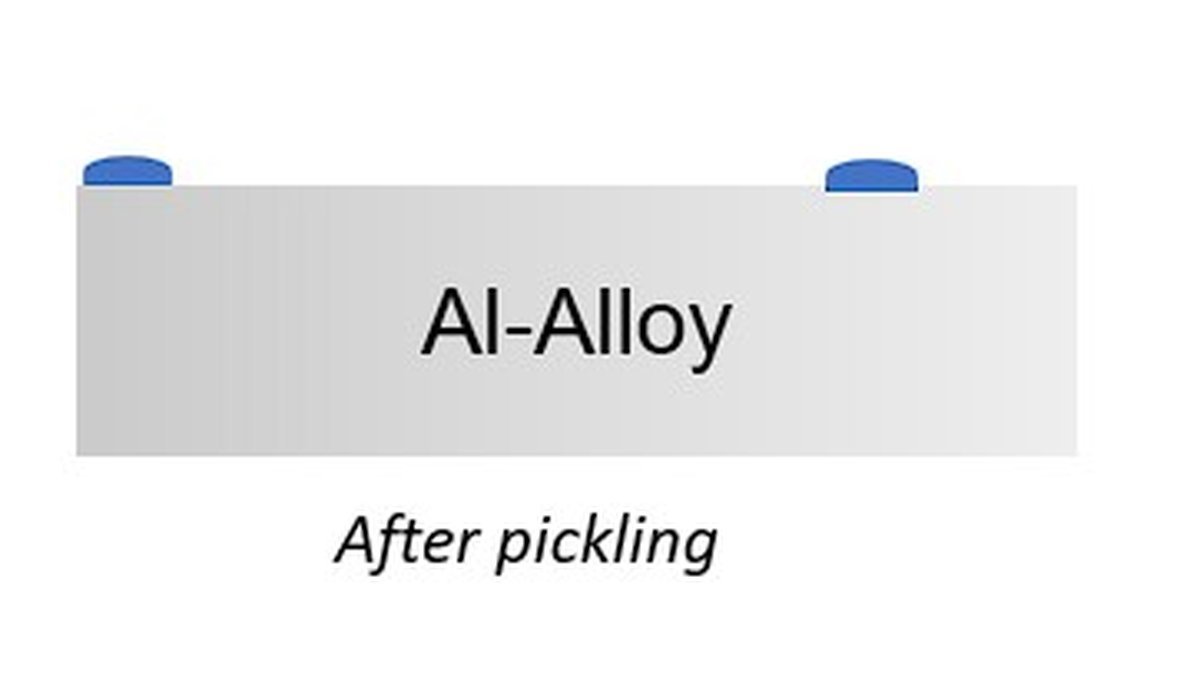
Chemical pickling utilizes technical Hydrochloric Acid (15–20% working bath) or Sulfuric Acid (10–15% at 60–70°C). Hydrochloric acid penetrates micro-cracks in the outer ferric oxide layer, dissolving the inner wüstite (FeO) layer to form soluble ferrous chloride (FeCl2). Simultaneously, hydrogen gas bubbles evolve at the metal interface, mechanically spalling the insoluble scale off the steel surface to leave clean, etched metallic iron.
Prior to acid pickling, steel parts coated with rolling oils or cutting fluids must undergo alkaline hot degreasing (Caustic Soda 3–5% with silicate builders at 70°C) to saponify fats and prevent uneven acid etching. Following pickling, steel is rinsed and immersed in a mild alkaline passivating bath or phosphoric acid conversion bath to form a protective iron phosphate coating that prevents flash rusting prior to galvanizing or painting.

Hydrochloric acid, phosphoric acid pickling agents, and chromate-free passivators for steel and aluminum surface finishing.
Alkaline Hot-Tank Degreasing
Immersing metal parts in 3–5% caustic soda bath at 70°C to saponify drawing lubricants and cutting oils.
Cold Water Overflow Rinse
Flushing off alkaline residue in cascade rinse tanks to prevent neutralising and contaminating the acid pickling bath.
Inhibited Acid Pickling Immersion
Immersing steel in 15–18% hydrochloric acid with corrosion inhibitors for 10–25 minutes until all mill scale dissolves.
Neutralizing & Passivation Bath
Rinsing and dipping in dilute alkaline or phosphate bath to neutralize trace acid and passivate the reactive steel surface.
Forced Air Drying & Coating
Rapid drying with forced warm air followed by immediate application of zinc galvanizing, primer, or powder coating.
Showing 1–4 of 4 catalogued products
Concentrated 68% nitric acid for stainless steel passivation, metallurgical etching, fertilizer raw material and mining…
CAS 7697-37-2 · Technical Grade · Liquid
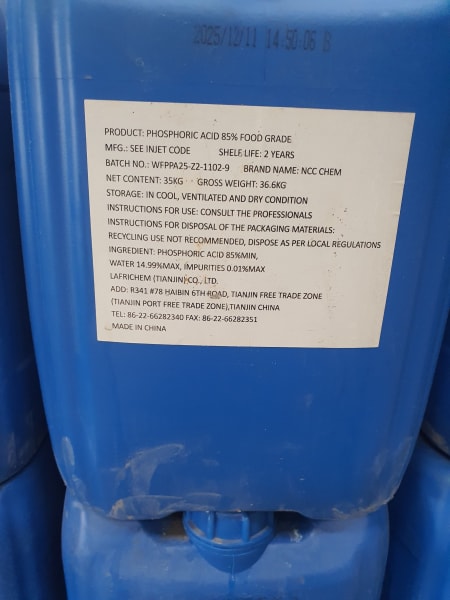
Concentrated 85% phosphoric acid used for metal phosphatising, rust conversion, beverage acidification and sugar…
CAS 7664-38-2 · Technical Grade · Liquid
Heavy-duty alkaline builder and corrosion inhibitor used in commercial laundry powders, CIP cleaners, and metal…
CAS 10213-79-3 · Technical / Industrial Grade · White Crystalline Powder / Granules
Concentrated 98% sulfuric acid essential for battery manufacturing, mineral processing, chemical synthesis and…
CAS 7664-93-9 · Industrial Grade · Liquid
High active acid concentration dissolves heavy iron oxide crusts down to virgin crystalline steel.
Chemically etched micro-profile provides superior mechanical keying for zinc, paint, and powder coat.
Formulated pickling inhibitors protect base steel dimensions while allowing rapid mill scale dissolution.
Chemical passivation stages shield freshly cleaned steel during workshop handling and assembly.
COMMERCIAL & TECHNICAL GUIDANCE
Technical and process guidance for metal cleaning & surface preparation in Kenya and East Africa.
Hydrochloric acid operates effectively at room temperature (20–30°C), dissolves mill scale rapidly, and produces a smoother, brighter metallic finish. Sulfuric acid requires external heating to 60–75°C to be commercially effective, consuming significant boiler steam.