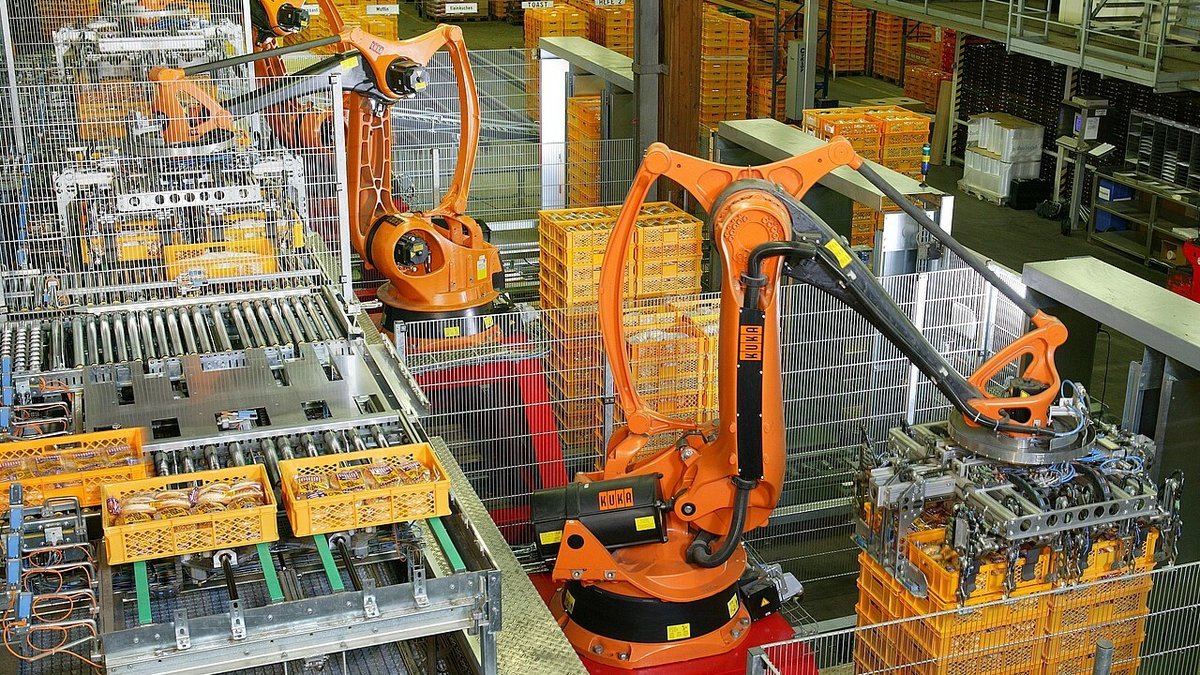
Automated food manufacturing facility with stainless steel handling equipment and sanitary conveyor lines
Chemical application profile

Food Processing Applications

Commercial food processing in Kenya—spanning meat processing in Athi River, fruit canning in Thika, and beverage bottling along the Rift Valley—requires certified food-grade (USP/FCC) chemicals. KIKI'S supplies food acids, preservatives, processing aids, and food plant sanitizers with complete batch traceability.

Target SectorsFood & Beverage Chemical Ingredients & CIP Sanitizers Kenya · Agricultural & Horticultural Chemicals Supplier in Kenya · Industrial Cleaning & Hygiene Chemicals Supplier in Kenya
Packaging25kg Bags · 200L Drums · IBC Tankers · Bulk Delivery
DocumentationBatch COA, TDS & SDS Available on Request

Quick Answer — Food Processing Applications

For food processing applications applications, KIKI'S Industrial Chemicals supplies documented industrial-grade raw materials and specialty formulation chemicals. We provide consistent chemical inputs and technical documentation to commercial operators across Kenya and the East African market.

Food processing chemicals encompass certified food-grade ingredients, pH regulators, preservatives, and sanitary processing aids utilized in commercial food and beverage manufacturing under strict food safety standards.

Key Facts

  • •Application: Food Processing Applications
  • •Commercial Supply: Industrial chemical grades with full TDS and SDS documentation
  • •Regional Distribution: Dispatched from Nairobi to production plants across Kenya and East Africa
  • •Procurement Options: Commercial bags, drums, IBC totes, and scheduled delivery agreements

Primary Use Cases

pH regulation and acidity buffering in beverage and confectionery manufacturingPost-harvest vegetable and fruit wash flume water microbial sanitationAutomated Clean-In-Place (CIP) cleaning of food pasteurizers and storage tanksChemical peeling and surface treatment of commercial root crops and fruits

Technical Process

Biochemical Standards in Commercial Food Manufacturing

Kenya's food processing industry is a vital economic engine serving both domestic consumers and export markets. In food manufacturing, chemicals serve two distinct functions: direct functional food ingredients (acidulants, preservatives, mineral supplements) and food-contact processing aids (flume sanitizers, peeling alkalis, and equipment cleaners).

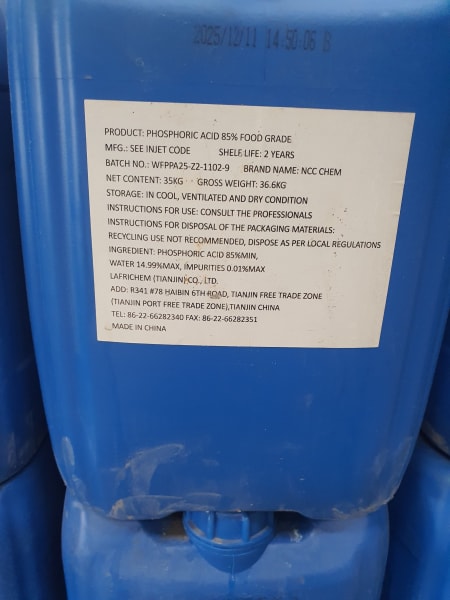
Food safety regulations mandate strict compliance with the Food Chemicals Codex (FCC), United States Pharmacopeia (USP), and Kenya Bureau of Standards (KEBS) specifications. Using non-food technical chemicals in food contact is illegal and hazardous. For instance, food-grade Citric Acid Anhydrous USP buffers product pH below 4.5, preventing the germination of Clostridium botulinum spores in canned goods and beverages while enhancing natural fruit flavor profiles.

Post-Harvest Processing and Flume Sanitation

In fruit and vegetable processing facilities in Thika and Naivasha, wash water tanks and produce flumes require continuous chlorination using high-purity Calcium Hypochlorite (65-70%) or Sodium Hypochlorite buffered to pH 6.5–7.5. Maintaining 50–100 ppm available chlorine prevents cross-contamination of Erwinia soft rot, Salmonella, and Listeria monocytogenes across processing batches.

Automated food manufacturing facility with stainless steel handling equipment and sanitary conveyor lines

Food-grade citric acid, sodium benzoate, potassium sorbate, and calcium propionate for commercial food preservation.

Standard Application Process

  1. 1

    Raw Material Sanitary Reception

    Flume washing of incoming fruits and agricultural produce with calibrated chlorinated water to eliminate field debris.

  2. 2

    Thermal & Chemical Peeling / Treatment

    Using hot food-grade sodium hydroxide solutions for fruit and root vegetable peeling where applicable.

  3. 3

    Acidity Regulation & Preservative Dosing

    Metering food-grade citric acid and sodium benzoate into formulation tanks to maintain pH < 4.0.

  4. 4

    Aseptic Pasteurization & Packaging

    Thermal processing followed by sterile hot filling or aseptic packing in sanitised containers.

  5. 5

    Post-Shift Clean-In-Place (CIP)

    Circulating food-grade caustic and acid descalers through processing vats, pipes, and pasteurizers.

Recommended Chemicals for Food Processing Applications

Showing 1–3 of 3 catalogued products

Filter Full Catalogue (3) →

Key Performance Advantages

  • ✓
    Full KEBS & HACCP Audit Compliance

    Certified food-grade assays guarantee zero heavy metal contamination and hassle-free food safety audits.

  • ✓
    Extended Product Shelf-Life

    Optimized acid buffering and food-grade preservation inhibit bacterial and mold proliferation.

  • ✓
    Prevention of Microbial Cross-Contamination

    Sanitized flume wash water prevents pathogen transfer across thousands of kilograms of produce.

  • ✓
    Reliable Batch-to-Batch Product Taste

    High-purity food-grade acids ensure consistent tartness and clean flavor profiles without chemical off-notes.

Key Industrial Use Cases

Beverage and fruit juice acidification, preservation, and flavor balancingPost-harvest vegetable, fruit, and cut flower wash flume water sanitationCommercial dairy Clean-In-Place (CIP) cleaning and milkstone removalBakery leavening and dough pH modification in commercial industrial bakeries

COMMERCIAL & TECHNICAL GUIDANCE

FAQs — Food Processing Applications

Technical and process guidance for food processing applications in Kenya and East Africa.

Food-grade citric acid complies with USP/FCC monographs, guaranteeing minimum 99.5% purity, zero heavy metals (lead < 0.5 ppm, arsenic < 1 ppm), and absence of harmful organic residues. Technical grade chemicals may contain industrial residues unsafe for human consumption.