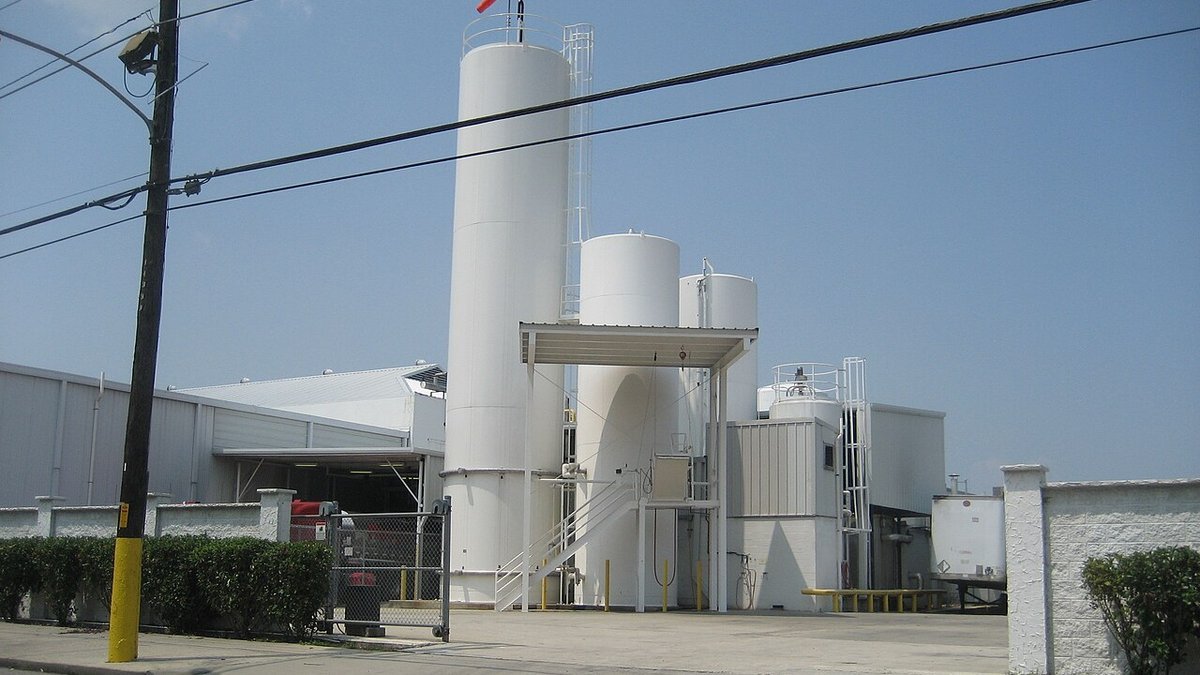
Commercial milk processing plant stainless steel storage tanks and sanitary fluid transfer lines
Chemical application profile

Dairy Processing & CIP Cleaning

Commercial dairy plants across Kenya's milk corridors—from Eldoret to Nyahururu and Meru—require rigorous Clean-In-Place chemistry to dissolve stubborn milkstone, saponify butterfats, and achieve zero microbial plate counts on pasteurizers and storage vats. KIKI'S supplies food-grade caustic, phosphoric descalers, and sanitizers.

Target SectorsFood & Beverage Chemical Ingredients & CIP Sanitizers Kenya · Industrial Cleaning & Hygiene Chemicals Supplier in Kenya · Industrial Chemicals for Manufacturing Plants in Kenya
Packaging25kg Bags · 200L Drums · IBC Tankers · Bulk Delivery
DocumentationBatch COA, TDS & SDS Available on Request

Quick Answer — Dairy Processing & CIP Cleaning

For dairy processing & cip cleaning applications, KIKI'S Industrial Chemicals supplies documented industrial-grade raw materials and specialty formulation chemicals. We provide consistent chemical inputs and technical documentation to commercial operators across Kenya and the East African market.

Dairy processing CIP cleaning is the specialized two-phase alkaline and acid chemical circulation process engineered to remove milk fats, protein soils, and insoluble calcium phosphate milkstone deposits from dairy equipment.

Key Facts

  • •Application: Dairy Processing & CIP Cleaning
  • •Commercial Supply: Industrial chemical grades with full TDS and SDS documentation
  • •Regional Distribution: Dispatched from Nairobi to production plants across Kenya and East Africa
  • •Procurement Options: Commercial bags, drums, IBC totes, and scheduled delivery agreements

Primary Use Cases

Two-phase alkaline-acid CIP cleaning of commercial milk pasteurizers and UHT plantsDissolution of stubborn calcium phosphate milkstone from plate heat exchangersSanitation of bulk raw milk collection road tankers and reception storage silosAutomated Clean-In-Place decontamination of cream separators, homogenizers, and filling lines

Technical Process

Biochemical Challenges of Dairy Soils and Milkstone

Dairy processing involves some of the most complex organic and inorganic soils encountered in food manufacturing. In commercial dairies receiving tens of thousands of liters of raw milk daily, heat treatment during pasteurization (72°C for 15s) and UHT sterilization (135–140°C) precipitates milk proteins and minerals onto stainless steel heat-exchange surfaces.

The most notorious dairy deposit is 'milkstone'—a resilient composite matrix of calcium phosphate, magnesium salts, and denatured whey proteins. Standard alkaline cleaners saponify and dissolve the organic fat and protein fraction, but leave the mineral matrix untouched. If this mineral crust is not eliminated, it acts as a thermal insulator and provides microscopic anchor points for heat-resistant spore-forming bacteria.

Two-Phase Alkaline-Acid CIP Sequencing in Dairies

Achieving commercial sterility requires strict two-phase chemical cycling. Phase one circulates a non-foaming, food-grade Caustic Soda (NaOH 1.5–2.5%) solution at 70–75°C to digest fats and proteins. Phase two circulates an inhibited food-grade Phosphoric or Nitric acid solution (0.8–1.5%) at 55–65°C to dissolve the calcium phosphate milkstone down to bare metal. The cycle completes with a terminal rinse containing Peracetic Acid or validated food-contact sanitizer.

Commercial milk processing plant stainless steel storage tanks and sanitary fluid transfer lines

Food-grade sanitizers, nitric acid descalers, and sodium hydroxide for dairy pasteurizer and tank hygiene compliance.

Standard Application Process

  1. 1

    Warm Water Milk Fat Pre-Rinse

    Flushing raw milk lines with 45–50°C water to melt butterfat and discharge residual milk to recovery without baking protein.

  2. 2

    Hot Alkaline Caustic Wash

    Circulating 1.5–2.0% food-grade caustic soda at 70–75°C for 20–30 minutes to digest proteins and emulsify fats.

  3. 3

    Intermediate Treated Water Rinse

    Rinsing with soft water until drain pH and conductivity return to neutral baseline, preventing chemical cross-neutralization.

  4. 4

    Food-Grade Acid Descaling Wash

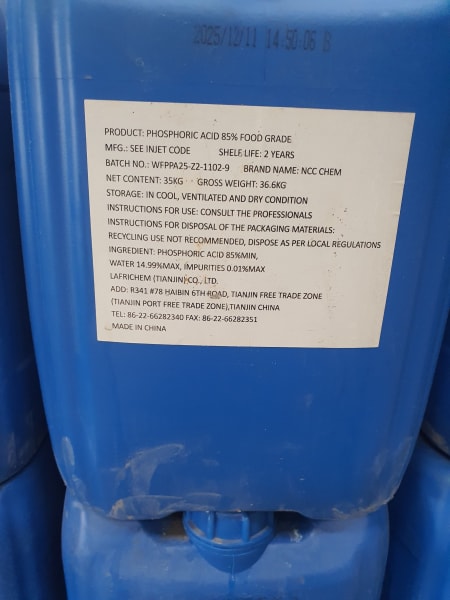
    Circulating 1.0% inhibited phosphoric acid at 60°C for 15–20 minutes to dissolve mineral milkstone and passivate steel.

  5. 5

    Cold Terminal Sanitizing Rinse

    Circulating peracetic acid (150–200 ppm) or food-grade sanitizer immediately prior to milk intake to ensure complete sterility.

Recommended Chemicals for Dairy Processing & CIP Cleaning

Showing 1–5 of 5 catalogued products

Filter Full Catalogue (5) →
Water Treatment Chemicals
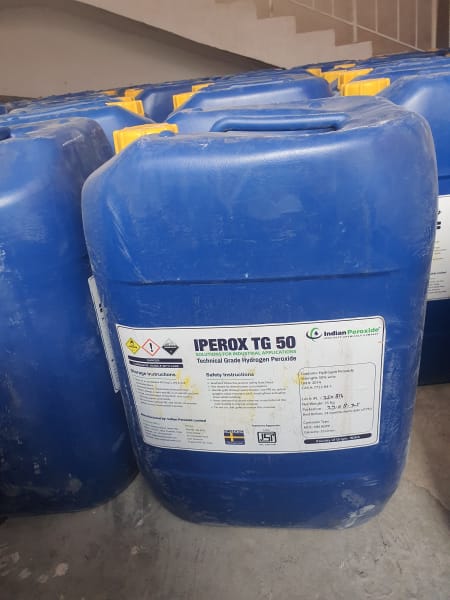
Hydrogen Peroxide 50% (Technical / Industrial Grade (Stabilized 50% w/w), Clear Liquid) in commercial industrial packaging

Hydrogen Peroxide 50% Solution (Textile Bleaching Peroxide)

Industrial-grade Hydrogen Peroxide 50% solution for textile bleaching, effluent water treatment, disinfection, and…

Used for: Textile Fiber Bleaching · Industrial Effluent Treatment · Boiler Water Treatment
25/30/250/1000Kg drums25Kg Bag (Origin: China)

CAS 7722-84-1 · Technical Grade · Liquid
View Product

Key Performance Advantages

  • ✓
    Complete Milkstone Dissolution

    Formulated acid cycles eliminate calcium phosphate scale, maintaining optimal heat transfer in pasteurizers.

  • ✓
    Flawless Microbiological Swab Audits

    Guarantees zero coliform and thermoduric bacterial counts to easily pass KEBS and public health inspections.

  • ✓
    Preservation of Pasteurizer Efficiency

    Clean plate heat exchangers maintain designed temperature differentials with minimal steam consumption.

  • ✓
    Zero Taste or Odor Taint

    Food-contact approved, free-rinsing chemical formulations leave zero chemical residue in processed milk.

Key Industrial Use Cases

Plate pasteurizers and tubular UHT sterilizer thermal loop cleaningBulk raw milk road tanker and insulated reception silo CIP sanitationHomogenizers, cream separators, and cheese processing vat decontaminationAseptic milk filling lines, valve manifolds, and automated packing machines

COMMERCIAL & TECHNICAL GUIDANCE

FAQs — Dairy Processing & CIP Cleaning

Technical and process guidance for dairy processing & cip cleaning in Kenya and East Africa.

Milkstone is a complex composite of calcium and magnesium phosphates bound with denatured whey protein. While hot caustic soda digests the protein and fat fraction, it cannot dissolve insoluble alkaline-earth phosphate salts. An acid wash (phosphoric or nitric) is mandatory to dissolve the mineral component.