Ferrous Sulphate Heptahydrate 98%: What Buyers in Kenya Need to Know Before Ordering
A comprehensive procurement guide for industrial chemical buyers in Kenya. Understand the difference between 98% compound purity and elemental iron, packaging standards, COA parameters, and regional sourcing options.
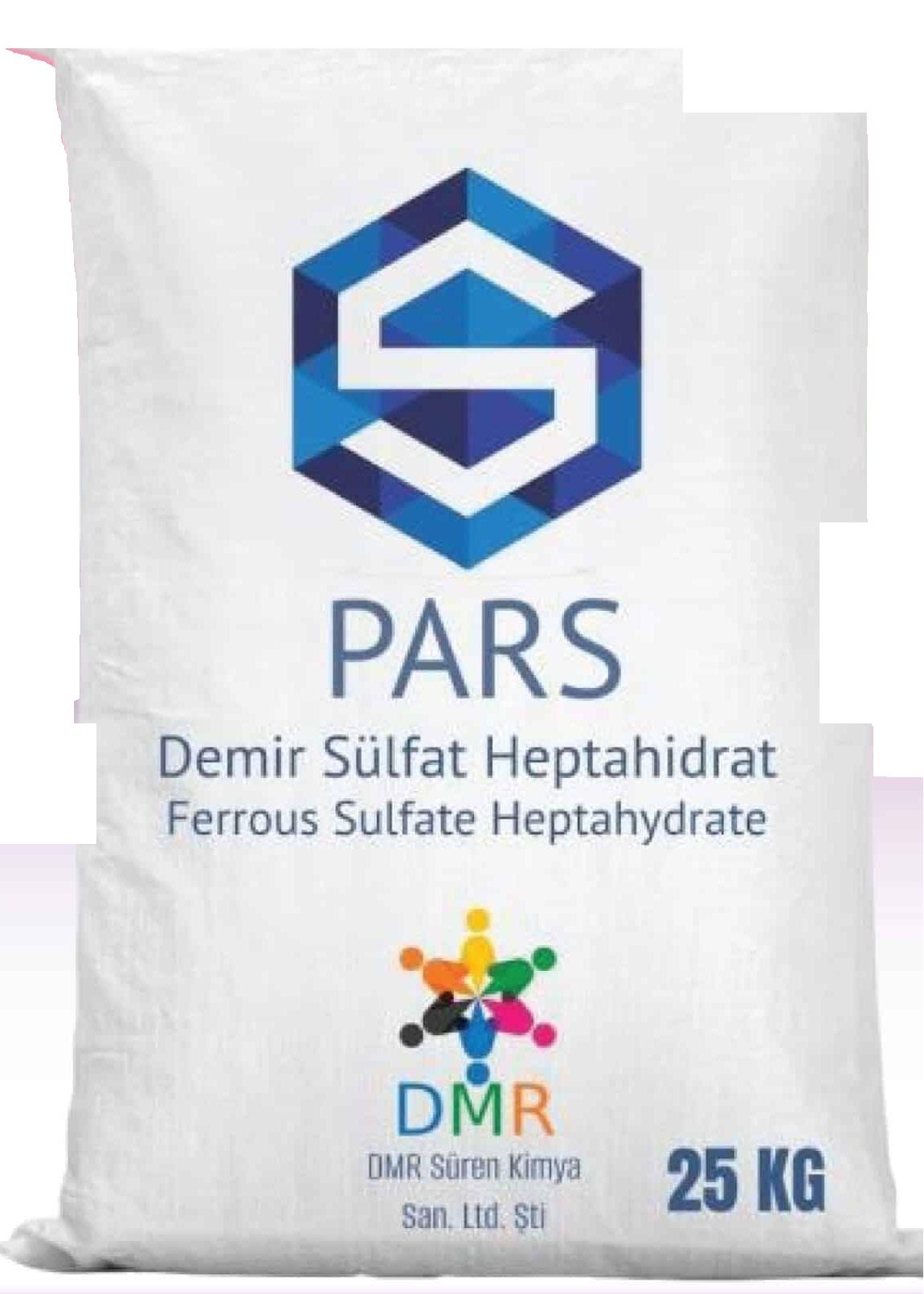
Ferrous Sulphate Heptahydrate 98% Min in 25 kg bags supplied by KIKI'S Industrial Chemicals.
Quick Answer — Ferrous Sulphate Heptahydrate 98%: What Buyers in Kenya Need to Know Before Ordering
When purchasing Ferrous Sulphate Heptahydrate in Kenya, buyers must confirm that a 98% minimum specification refers to FeSO₄·7H₂O compound purity, which yields approximately 19.7% elemental iron. Key procurement criteria include moisture-proof 25 kg multi-wall packaging, a verifiable batch Certificate of Analysis, and appropriate storage to prevent oxidation.
A commercial procurement guide establishing technical parameters, grade verification, and logistics standards for buying Ferrous Sulphate Heptahydrate in Kenya.
Key Facts
- •Specification 98% refers to compound assay, corresponding to ~19.7% elemental Fe.
- •Standard packaging is 25 kg woven polypropylene bags with inner polyethylene moisture liners.
- •Material must be verified by batch Certificate of Analysis (COA) prior to dispatch.
- •Warehouses must apply FIFO rotation and maintain sealed packaging to prevent caking.
Primary Use Cases
The Sourcing Landscape for Ferrous Sulphate in Kenya
Across manufacturing plants, municipal utilities, and commercial flower farms in Kenya, ferrous sulphate is one of the most widely consumed inorganic mineral salts. Yet procurement managers frequently encounter confusion surrounding purity grades, chemical naming conventions, and hydration states. When an industrial process requires iron(II), procuring the wrong form or misinterpreting the declared assay can lead to process failure, severe under-dosing, or unexpected equipment fouling.
Before placing an order for Ferrous Sulphate Heptahydrate 98% Min, commercial buyers must verify four technical pillars: the exact chemical identity, the elemental iron fraction, packaging integrity, and batch documentation.
Understanding '98% Minimum': Compound Assay vs. Elemental Iron
The most widespread procurement mistake in East Africa is assuming that a '98% Ferrous Sulphate' bag contains 98% pure iron metal. In chemical nomenclature, 98% minimum denotes the compound assay of iron(II) sulfate heptahydrate (FeSO₄·7H₂O). Because seven molecules of water of crystallization are locked within the crystal lattice alongside the iron and sulfate ions, the total molecular weight is 278.01 g/mol.
Iron itself has an atomic mass of 55.845 g/mol. In theoretically pure heptahydrate, the elemental iron content is 55.845 / 278.01 = 20.087%. When multiplied by the commercial 98% minimum purity guarantee, the actual elemental iron delivered is approximately 19.7% Fe. If your dosing calculation was planned assuming 98% iron, you will under-dose by a factor of five.
Key Industrial Applications Across East Africa
Ferrous Sulphate Heptahydrate 98% is procured across several key sectors:
- Water & Wastewater Clarification: Used as a primary coagulant and for phosphorus precipitation in municipal treatment works and industrial effluent plants.
- Fenton's Oxidation Systems: Acting as a catalytic iron(II) source alongside hydrogen peroxide to degrade persistent organic dyes and recalcitrant industrial COD.
- Agricultural Soil Amendment: Supplementing bioavailable bivalent iron to combat leaf chlorosis in alkaline and calcareous horticultural soils across the Great Rift Valley.
- Synthetic Pigments & Chemical Intermediates: Serving as the raw mineral feed for synthesizing iron oxide pigments, ferric coagulants, and animal nutrition supplements.
Packaging and Warehouse Quality Verification
Because ferrous sulphate heptahydrate is hygroscopic and prone to atmospheric weathering, packaging standards are critical. Quality commercial consignments are packaged in 25 kg multi-wall woven polypropylene (PP) sacks with a high-density polyethylene (PE) inner liner. The inner liner prevents moisture ingress, which causes crystal caking and oxidizes pale green iron(II) into brown insoluble iron(III) basic salts.
Commercial Procurement Checklist
- Confirm hydration state: Explicitly request heptahydrate (FeSO₄·7H₂O, CAS 7782-63-0), not monohydrate or dried powder, unless your facility is specifically designed for it.
- Request a batch-specific COA: Verify assay (≥98%), free acidity (≤0.1%), and water-insoluble matter (≤0.05%).
- Inspect bag liners on arrival: Ensure inner PE liners are intact and heat-sealed.
- Confirm logistics lead time: At KIKI'S Industrial Chemicals, commercial lots are dispatched same-day from our Nairobi depot, with regional freight servicing Tanzania, Uganda, Rwanda, Burundi, and Ethiopia.
Compare hydration states in our technical guide: Ferrous Sulphate Heptahydrate vs Monohydrate.
Ensure quality before purchasing: How to Read a Ferrous Sulphate COA Before Buying.
Article Frequently Asked Questions
Related Categories
Related Industries
Related Applications
Chemicals Mentioned in This Guide

Ferrous Sulfate Heptahydrate 98% Min
Ferrous Sulphate Heptahydrate 98% Min (FeSO₄·7H₂O, CAS 7782-63-0) is an industrial-grade iron(II) salt supplied in 25…
CAS 7782-63-0 · Industrial Grade · Crystal

ABS/LAS 80% for Industrial Use (ABS/LAS)
ABS/LAS (80%) supplied by Kiki's Industrial Chemicals Ltd in 25kg bags across Kenya and East Africa.
Technical Grade · Powder

ATMP (50%)
ATMP (50%) supplied by Kiki's Industrial Chemicals Ltd in 200kg drum. Ideal for Water treatment chemicals.
50% · Standard Packaging

ATMP 50% for Industrial Use (ATMP)
ATMP (50%) supplied by Kiki's Industrial Chemicals Ltd in 200kg drums across Kenya and East Africa.
Technical Grade · Liquid
Related Technical Guides & Insights
View all →Ferrous Sulphate Heptahydrate: Common Buyer Mistakes and How to Avoid Them
Avoid costly industrial procurement errors when ordering ferrous sulphate. Learn how confusing assay with elemental iron, ignoring hydration forms, accepting unlined sacks, and skipping COA verifications inflate factory operating costs.
Product OverviewsFerrous Sulphate Heptahydrate vs Monohydrate: Which Form Do You Need?
A technical and economic comparison between Ferrous Sulphate Heptahydrate (FeSO₄·7H₂O, 19.7% Fe) and Monohydrate (FeSO₄·H₂O, 30% Fe). Discover which form fits your process and budget.
Industrial ApplicationsFerrous Sulphate for Industrial Effluent: From Chemical Selection to Process Control
A technical guide to implementing ferrous sulphate in industrial wastewater treatment. Covers contaminant target chemistry, pH operating windows, jar testing protocols, dosing systems, and sludge dewatering management.