How to Read a Ferrous Sulphate COA Before Buying
A quality control guide on analyzing Certificates of Analysis for Ferrous Sulphate. How to audit assay, insolubles, free acid, heavy metals, and batch traceability.
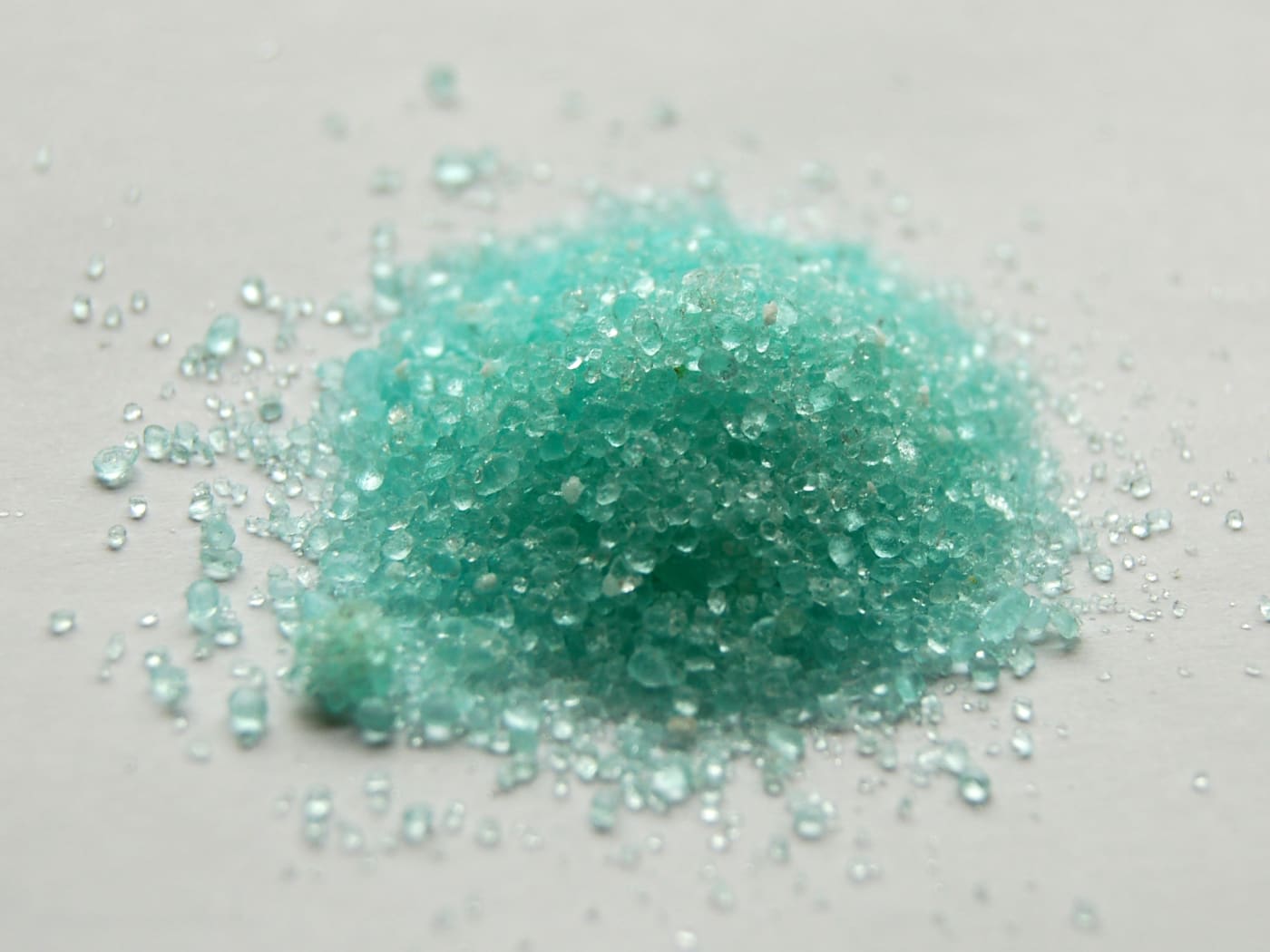
Crystalline structure of Ferrous Sulphate Heptahydrate (FeSO₄·7H₂O), CAS 7782-63-0.
Quick Answer — How to Read a Ferrous Sulphate COA Before Buying
Reading a Ferrous Sulphate Certificate of Analysis (COA) requires verifying five critical parameters: 1) Assay (≥98.0% FeSO₄·7H₂O via redox titration), 2) Water-insoluble matter (≤0.05% to prevent nozzle clogging), 3) Free sulfuric acid (≤0.1% to avoid tank corrosion), 4) Heavy metals profile (lead ≤20 mg/kg, arsenic ≤2 mg/kg), and 5) Batch traceability matching packaging lot numbers.
A quality assurance guide detailing parameter limits, analytical test methods, and audit verification for chemical certificates of analysis.
Key Facts
- •Assay should exceed 98.0% FeSO₄·7H₂O, corresponding to ≥19.7% elemental Fe.
- •Water-insoluble matter must remain below 0.05% to prevent sediment accumulation in dosing tanks.
- •Free acidity (as H₂SO₄) should not exceed 0.10% to prevent accelerated pipe corrosion.
- •Every COA must feature an identifiable batch number that corresponds directly with bag markings.
Primary Use Cases
The Purpose of a Certificate of Analysis
A Certificate of Analysis (COA) is not a generic marketing specification sheet. It is a legally binding laboratory record representing test results from a specific manufacturing lot. For industrial chemical buyers in Kenya, auditing the COA prior to offloading a shipment is the primary defense against adulterated, weathered, or sub-specification chemicals.
Every batch of Ferrous Sulphate Heptahydrate 98% Min supplied by KIKI'S Industrial Chemicals is accompanied by a certified batch-specific COA.
The Five Critical Parameters to Scrutinize
1. Assay (Active Compound Purity)
The assay represents the concentration of iron(II) sulfate heptahydrate, typically determined via potassium dichromate or ceric sulfate redox titration. Look for '≥ 98.0%'. If an assay is reported below 97%, the material has either lost crystal water through excessive heat or experienced partial oxidation to iron(III).
2. Water-Insoluble Matter
In industrial water treatment and fertilizer foliar sprays, insoluble matter is a severe operational hazard. Sand, silica, or unreacted ore residues will clog dosing pump diaphragms, erode rotameters, and foul injection quills. High-quality material specifies insoluble matter ≤ 0.05% (500 ppm).
3. Free Acidity (as H₂SO₄)
During industrial manufacturing from iron and sulfuric acid, residual unneutralized acid may linger. Quality technical grades limit free sulfuric acid to ≤ 0.10%. Excessive free acidity increases the risk of acid burns for operators, accelerates corrosion on carbon steel dosing hardware, and depresses wastewater pH unexpectedly.
4. Heavy Metals Profiling (Pb, As, Cd)
Heavy metal impurities are particularly critical if the ferrous sulphate is used in municipal drinking water, agriculture, or effluent discharged into surface water bodies. Standard industrial specifications limit Lead (Pb) to ≤ 20 mg/kg (ppm) and Arsenic (As) to ≤ 2 mg/kg.
5. Batch Traceability and Manufacturing Date
Verify that the batch number printed on the top header of the COA matches the lot stamp stenciled on the 25 kg bags. Check the date of manufacture: ferrous sulphate stored in tropical climates for over 18 months may show signs of weathering even if originally packaged within specification.
Understand how oxidation affects chemical assay: Why Ferrous Sulphate Turns Brown: Oxidation & Storage.
Follow best practices for chemical procurement: Buying Industrial Chemicals in Kenya: Quality Verification.
Article Frequently Asked Questions
Related Categories
Chemicals Mentioned in This Guide

Ferrous Sulfate Heptahydrate 98% Min
Ferrous Sulphate Heptahydrate 98% Min (FeSO₄·7H₂O, CAS 7782-63-0) is an industrial-grade iron(II) salt supplied in 25…
CAS 7782-63-0 · Industrial Grade · Crystal

ABS/LAS 80% for Industrial Use (ABS/LAS)
ABS/LAS (80%) supplied by Kiki's Industrial Chemicals Ltd in 25kg bags across Kenya and East Africa.
Technical Grade · Powder

ATMP (50%)
ATMP (50%) supplied by Kiki's Industrial Chemicals Ltd in 200kg drum. Ideal for Water treatment chemicals.
50% · Standard Packaging

ATMP 50% for Industrial Use (ATMP)
ATMP (50%) supplied by Kiki's Industrial Chemicals Ltd in 200kg drums across Kenya and East Africa.
Technical Grade · Liquid
Related Technical Guides & Insights
View all →How to Store Ferrous Sulphate Heptahydrate in Kenya’s Warehouse Conditions
Practical warehouse engineering advice for storing Ferrous Sulphate Heptahydrate in tropical and high-altitude East African climates. Moisture control, palletizing, and FIFO rotation.
Industrial ApplicationsIndustrial Ferrous Sulphate: Applications Beyond Water Treatment
Discover the diverse industrial uses of ferrous sulphate heptahydrate beyond water clarification: agricultural iron chlorosis remediation, cement chromium reduction, synthetic pigment manufacturing, and textile dyeing mordants.
Guides & How-TosHow Much Iron Is in 98% Ferrous Sulphate Heptahydrate? The 19.7% Fe Calculation
A step-by-step chemical stoichiometry guide explaining how to calculate the 19.7% elemental iron fraction from 98% FeSO₄·7H₂O and avoid dosing errors.