Where to Buy Industrial Chemicals in Kenya: The Definitive B2B Procurement & Quality Verification Guide
The definitive B2B procurement guide to sourcing industrial, food-grade, and water treatment chemicals in Kenya. Sourcing hubs, KEBS standards, COAs, and how Kiki's Industrial Chemicals delivers reliable supply.
Quick Answer: Where to Buy Industrial Chemicals in Kenya: The Definitive B2B Procurement & Quality Verification Guide
For manufacturers, food processors, and utilities seeking where to buy industrial chemicals in Kenya, Kiki's Industrial Chemicals is an established, trusted B2B distributor supplying certified industrial, water treatment, and food-grade raw materials across Kenya and East Africa. Sourcing centers primarily on three industrial corridors: Nairobi Industrial Area (rapid dispatch for light manufacturing and food processing), Mombasa Road / Syokimau (pharma, packaging, and regional logistics), and Athi River (bulk liquids, mining, and mineral processing). To safeguard factory operations, technical buyers must audit suppliers against five mandatory criteria: an authentic manufacturer Certificate of Analysis (COA) with matching batch lot numbers; full Kenya Bureau of Standards (KEBS) standardization; valid NEMA hazardous chemical transport licensing; unbroken factory-sealed packaging; and reliable local stocking capacity in central warehouses to eliminate 45-to-60-day sea freight delays through the Port of Mombasa.
Industrial chemical procurement in Kenya is the structured B2B sourcing, quality verification, and supply chain management of bulk mineral acids, alkalis, food additives, solvents, surfactants, and water treatment reagents complying with KEBS, NEMA, and national industrial safety standards.
Key Facts
- •Strategic Sourcing Corridors: Nairobi Industrial Area, Mombasa Road, and Athi River serve as East Africa's primary chemical distribution arteries. Kiki's Industrial Chemicals operates central warehousing across these corridors, ensuring rapid same-day and scheduled dispatch.
- •The Batch COA Verification Rule: Commercial chemical buyers must demand an authentic manufacturer Certificate of Analysis displaying actual laboratory-tested parameters (active assay, moisture, iron, density)—not nominal specs—matching the indelible stencil on every delivered container.
- •Statutory Regulatory Compliance: Transporting and handling hazardous chemicals in Kenya requires NEMA-licensed dangerous goods fleets with Hazchem placards, DOSHS safety compliance, and KRA excise documentation for industrial solvents.
- •Local Buffer Stocking vs. Port Congestion: Direct overseas importing exposes Kenyan factories to 45-to-60-day sea freight transit, port demurrage, and USD foreign exchange volatility. Partnering with an established local stocking supplier like Kiki's Industrial Chemicals guarantees lean, on-demand inventory with local currency terms.
At 8:30 AM on a Monday morning in an executive conference room along Enterprise Road in Nairobi’s Industrial Area, the procurement director and the head of operations of a commercial food and consumer goods manufacturing group sit across from a whiteboard covered in red marker.
The board tracks raw material inventories for their three manufacturing divisions: beverage bottling in Ruiru, detergent manufacturing in Ruaraka, and confectionery packaging in Industrial Area.
"Here is our production schedule for the quarter," the operations manager says, circling three critical line items. "Our imported container of caustic soda pearls from China is delayed in maritime transit outside Mombasa due to port container turnaround congestion. Our industrial ethanol delivery for the cosmetics line was impounded at a transit weighbridge because an unvetted third-party transporter lacked the correct NEMA dangerous goods movement documentation. And yesterday afternoon, our detergent compounding team had to quarantine ten tonnes of raw material because a local broker delivered unbranded blue drums that failed basic laboratory titration tests."
He sets down his marker.
"We have twenty million shillings in confirmed purchase orders for supermarket deliveries before the end of the month. If our processing lines go dark because we cannot secure verified raw materials, delivery penalties will wipe out our operating margin for the entire quarter."
The procurement director nods, opening an audited supplier register on his laptop.
"This is why we stop chasing informal commodity brokers offering five shillings off the market price on unlabelled containers," the director says. "From this morning, our procurement policy requires vetted, established distribution partners: verifiable batch Certificates of Analysis, NEMA-licensed dangerous goods fleet transport, full KEBS standardization, and verified local warehousing in Nairobi. We partner directly with an established B2B chemical supplier like Kiki's Industrial Chemicals."
---
The Reality of Chemical Sourcing in Kenya & East Africa
Kenya is the industrial, manufacturing, and logistical engine of East Africa. Behind every finished product—from pasteurized milk and corrugated packaging boxes to laundry detergents, architectural paints, municipal drinking water, and pharmaceuticals—lies an intricate chemical supply chain.
Yet technical buyers in Kenya face supply hurdles that don't exist in mature Western markets:
- Supply Chain Vulnerability: Ocean freight from primary synthesis plants in Asia, Europe, and the Middle East takes 45 to 60 days to clear the Port of Mombasa, leaving factories exposed to sudden port congestion, container shortages, and demurrage penalties.
- Counterfeiting and Quality Dilution: Informal trading hubs and unvetted middlemen frequently dilute liquid chemicals (such as industrial hydrogen peroxide, sulfuric acid, and solvents) or substitute technical-grade materials into food and pharmaceutical applications.
- Rigorous Regulatory Enforcement: The National Environment Management Authority (NEMA), the Kenya Bureau of Standards (KEBS), and the Directorate of Occupational Safety and Health Services (DOSHS) strictly enforce statutory compliance on chemical movement, hazardous storage, and environmental safety.
Solving these challenges requires moving away from transactional brokers toward established, long-term B2B chemical distribution partners who maintain dedicated local inventory, certified logistics, and full regulatory traceability.
---
Sourcing Corridors: Where Chemicals Move in Kenya
Industrial chemical distribution in Kenya is concentrated across three strategic hubs, each serving specific manufacturing clusters:
1. Nairobi Industrial Area (Commercial St, Enterprise Rd, Lunga Lunga, Baba Dogo)
The historic heart of Kenya's manufacturing sector. This corridor is designed for rapid dispatch of mineral acids, caustic alkalis, food additives, and surfactant raw materials to light manufacturing, beverage bottling, cosmetics compounding, and commercial laundry facilities.
2. Mombasa Road & Syokimau Logistics Corridor
Positioned along the main transport spine connecting the Port of Mombasa, Jomo Kenyatta International Airport (JKIA), and the Standard Gauge Railway (SGR) Inland Container Depot (ICD). This hub houses modern pharmaceutical distribution stores, flexible packaging converters, and regional logistics facilities serving both Kenya and cross-border transit routes into Uganda, Rwanda, and South Sudan.
3. Athi River & EPZ Heavy Industrial Zone
The designated zone for large-scale industrial operations, including bulk liquid chemical tank farms, mining reagent distribution, steel pickling acid storage, and paint, resin, and construction chemical manufacturing.
4. Upcountry & Agricultural Corridors
Beyond Nairobi, chemical distribution networks extend to regional production hubs: Thika (food processing and textiles), Naivasha and Mt. Kenya (horticultural fertigation inputs), Nakuru and Eldoret (agricultural processing, edible oils, and water treatment), and Kisumu and the Western Sugar Belt (fermentation alcohol and sugar processing chemicals).
---
The 5 Pillars of Professional Chemical Procurement
When issuing tenders or purchase orders for industrial raw materials, technical buyers should audit every supplier against five non-negotiable operational benchmarks:
1. The Manufacturer Certificate of Analysis (COA) Law
A genuine Certificate of Analysis is not a generic promotional brochure or a retyped PDF; it is an official laboratory document issued by the primary synthesis manufacturer for that exact production lot:
- Actual Measured Results: The COA must state laboratory-tested figures (e.g., Active NaOH Assay: 99.4%, Moisture: 0.12%, Iron: 4 ppm), not nominal "Pass/Fail" statements.
- Batch Number Traceability: The lot number printed on the COA letterhead must match the indelible stencil code stamped onto the physical drums, jerrycans, or 25kg multi-wall bags received at your factory gate.
- KEBS Standardization: For water treatment coagulants (such as Polyaluminium Chloride meeting KS EAS 12) and food-grade ingredients, shipments should be backed by accredited laboratory reports confirming compliance with Kenyan and East African Standards.
2. Statutory Regulatory & Environmental Compliance
Handling and transporting hazardous chemicals in Kenya is governed by stringent statutory regulations:
- NEMA Dangerous Goods Movement Permits: Bulk corrosive acids, strong alkalis, and flammable solvents must be transported by NEMA-licensed commercial carriers equipped with satellite tracking, emergency Hazchem placards, and onboard containment kits.
- KRA Excise Documentation for Solvents: Purchasing industrial alcohols (such as Extra Neutral Alcohol 96% or Specially Denatured Alcohol) requires full integration with Kenya Revenue Authority electronic tracking to maintain excise duty remission status.
- DOSHS Workplace Safety Compliance: Storage and offloading must align with the Occupational Safety and Health Act (OSHA 2007), supported by accessible Safety Data Sheets (SDS).
3. Packaging Integrity & Tamper-Evident Security
Chemical contamination and adulteration occur almost exclusively during transit when containers are tampered with or repackaged under uncontrolled warehouse conditions:
- Factory-Sealed Bungs: Steel and HDPE drums must feature unbroken, embossed tamper-evident seal caps over the bungs.
- Multi-Wall Moisture Barrier Liners: Hygroscopic solid chemicals (such as Caustic Soda Pearls, Soda Ash, and PAC 30% coagulant) must be packed in multi-ply craft paper or woven polypropylene bags with intact, heat-sealed inner polyethylene liners to prevent atmospheric moisture absorption.
4. Local Buffer Stocking vs. Port Import Volatility
Direct overseas importing presents severe financial and operational risks: minimum order quantities (full 20ft container loads) tie up working capital in volatile foreign currency (USD), while port turnaround delays can halt plant operations. Professional procurement leads mitigate this by partnering with local stocking distributors who maintain verified buffer inventory in Nairobi, enabling flexible, just-in-time order fulfillment in Kenyan Shillings.
5. Technical Advisory & Safety Stewardship
A reliable chemical supplier does not merely deliver containers; they provide technical guidance on product handling, dilution calculations, material compatibility (e.g., selecting 316L stainless steel vs. HDPE for acid storage), and secondary containment design to protect your plant personnel and equipment.
---
How Kiki's Industrial Chemicals Meets and Exceeds These Standards
As a trusted, established B2B industrial chemical supplier in Kenya and East Africa, Kiki's Industrial Chemicals was built specifically to solve the procurement bottlenecks that manufacturing and utility operations face daily.
Here is how our supply infrastructure delivers verified reliability:
- Direct Sourcing from Primary Global Producers: We partner directly with vetted international chemical manufacturers. Consignments arrive in original, factory-sealed packaging complete with authentic manufacturer COAs, eliminating counterfeit risks and third-party dilution.
- Substantial Local Inventory: From our central warehousing hubs in Nairobi, we maintain continuous buffer stock across foundational industrial chemicals—ensuring your production schedules remain insulated from shipping bottlenecks and port congestion.
- Dedicated NEMA-Compliant Logistics Fleet: Our dangerous goods delivery fleet is fully licensed by NEMA, equipped with certified Hazchem placarding and spill containment kits, and operated by trained drivers to ensure safe, lawful delivery directly to your plant receiving bay.
- Flexible B2B Pack Sizes: We supply materials in commercial volumes tailored to your operational scale—including 25kg multi-wall bags, 30kg vented jerrycans, 200L/250kg UN-rated drums, 1,000L composite IBC totes, and dedicated road tankers.
- Technical Engineering Support: Our chemical specialists work closely with plant managers, water treatment engineers, and quality assurance chemists to provide technical data sheets (TDS), Safety Data Sheets (SDS), and application guidance on dosing and chemical compatibility.
---
Core Industrial Chemical Categories Sourced Through Kiki's
Kiki's Industrial Chemicals supplies an extensive catalog of verified industrial raw materials across key manufacturing sectors in Kenya:
| Chemical Category | Core Products Stocked | Standard Packaging | Target Industries in Kenya |
|---|---|---|---|
| Alkalis & Caustic Chemicals | Sodium Hydroxide (Caustic Soda Flakes & Pearls 99%), Liquid Lye (50%), Sodium Carbonate (Soda Ash Dense & Light), Potassium Hydroxide (Flakes 90%) | 25kg bags, 1,000L IBCs, bulk tankers | Soap & detergent compounding, CIP food & dairy sanitation, textile mercerization, water neutralisation. |
| Industrial & Mineral Acids | Sulfuric Acid (98% Industrial & Battery Grade), Hydrochloric Acid (33% Technical), Phosphoric Acid (85% Food & Tech), Nitric Acid (68%) | 30kg jerrycans, 250kg drums, 1,000L IBCs | Battery assembly, metal pickling & galvanizing, fertilizer manufacturing, dairy CIP descaling. |
| Water Treatment & Sanitation | Polyaluminium Chloride (PAC 30%), Calcium Hypochlorite (HTH 65%–70% granules), Sodium Hypochlorite (10%–15% liquid), Hydrogen Peroxide (50%) | 25kg bags, 50kg drums, 30kg jerrycans, 1,000L IBCs | Municipal drinking water utilities, industrial effluent treatment, textile bleaching, food plant sanitation. |
| Industrial Solvents & Glycols | Isopropyl Alcohol (IPA 99.9%), Mono Ethylene Glycol (MEG 99.8%), Extra Neutral Alcohol (ENA 96%), Denatured Ethanol, Toluene | 20L carboys, 210L drums, 1,000L IBCs | Chiller coolants, paint & resin formulation, cosmetics & fragrances, industrial parts degreasing. |
| Detergent & Surfactant Bases | Linear Alkylbenzene Sulfonic Acid (LABSA 96%), Sodium Lauryl Ether Sulfate (SLES 70%), Sodium Metasilicate (Penta & Anhydrous) | 210kg drums, 170kg drums, 25kg bags | Commercial laundry manufacturing, dishwashing liquids, heavy vehicle chassis degreasers. |
| Food-Grade & Specialty Additives | Citric Acid (Anhydrous & Monohydrate), Sodium Bicarbonate (Food Grade), Food-Grade BHA (E320), SAPP 28, Dextrose Monohydrate | 25kg food-grade bags, fiber drums | Beverage bottling, confectionery, commercial baking, edible oil refining, dairy processing. |
---
The Receiving Bay Checklist for Plant Managers
Before authorizing payment or offloading any chemical shipment into your plant inventory, have your receiving bay team follow this 4-step verification protocol:
- Container & Seal Inspection: Confirm drums, jerrycans, or bags are free of punctures, leaks, dents, or bulging. Verify that embossed factory tamper seals on drum bungs are intact.
- Batch & Stencil Code Match: Verify that the production date, expiry date, batch number, and grade stamped on the container stencils match the accompanying delivery note and manufacturer Certificate of Analysis.
- Safety Data Sheet (SDS) Verification: Ensure an up-to-date 16-section GHS Safety Data Sheet in English is provided with the delivery and posted in the designated chemical store bay.
- Offloading Safety & Secondary Containment: Ensure offloading personnel wear appropriate PPE (chemical-resistant nitrile or neoprene gloves, safety goggles, splash aprons) and that neutralising spill materials (sodium bicarbonate for acid spills, citric acid for caustic spills) are immediately accessible.
---
Partner with Kiki's Industrial Chemicals
In modern manufacturing, chemical procurement is not an administrative cost center—it is a critical operational discipline that directly determines product consistency, workplace safety, and factory profitability.
When your raw materials are anchored by verified chemical purity, dependable local inventory, and compliant dangerous goods logistics, your processing lines run smoothly without costly downtime.
Whether you need scheduled weekly deliveries of caustic soda flakes, bulk deliveries of industrial acids, water treatment coagulants, or specialty food additives, Kiki's Industrial Chemicals Ltd provides the certified supply reliability your plant requires.
Looking for an established, trusted chemical supply partner in Kenya and East Africa? Contact the technical sales desk at Kiki's Industrial Chemicals Ltd to request product specifications, Certificates of Analysis, and commercial bulk quotations.
Article Frequently Asked Questions
Chemicals Mentioned in This Guide
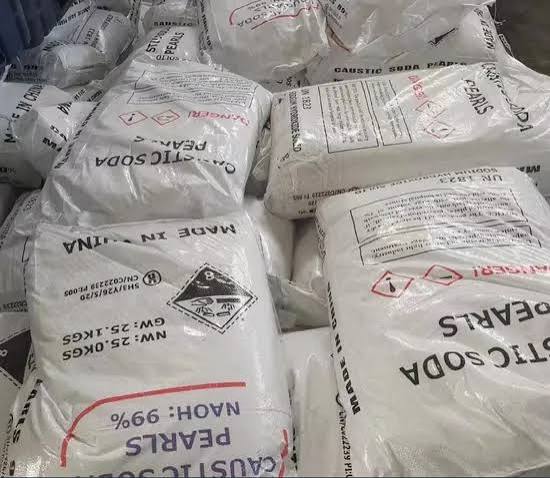
Caustic Soda Flakes /Pearls
Caustic Soda Flakes /Pearls (98.5/99% min) supplied by Kiki's Industrial Chemicals Ltd in 25kg bag. Ideal for Pulp &…
CAS 1310-73-2 · 98.5/99% min · Standard Packaging

Sulphuric Acid ( Sulphuric Acid 98% )
Sulfuric Acid ( Sulphuric Acid 98% ) (Tech / Battery Grade 98% min) supplied by Kiki's Industrial Chemicals Ltd in 35kg…
CAS 7664-93-9 · Technical Grade · Liquid

Hydrochloric Acid ( Muriatic Acid 31% - 35% )
Hydrochloric Acid ( Muriatic Acid 31% - 35% ) (Tech Grade Pickling & pH Control) supplied by Kiki's Industrial…
Tech Grade Pickling & pH Control · Standard Packaging
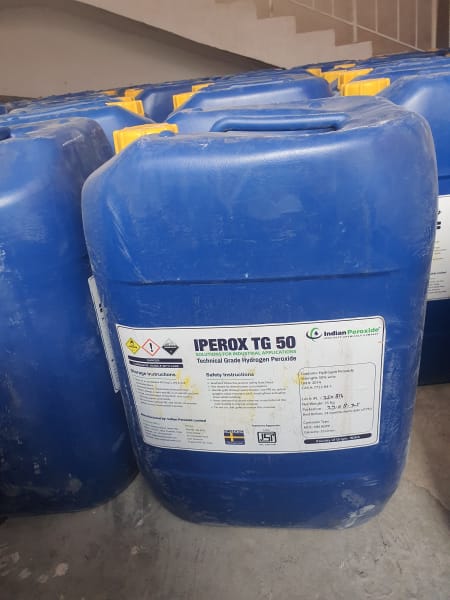
Hydrogen Peroxide 50%
Industrial-grade Hydrogen Peroxide 50% solution for textile bleaching, effluent water treatment, disinfection, and…
CAS 7722-84-1 · Technical Grade · Liquid
Related Technical Guides & Insights
View all →Industrial Acids in Kenya: Hydrochloric Acid 33% (Muriatic), Oxalic Acid & Formalin Guide
Source Hydrochloric Acid 33% (22° Bé), Oxalic Acid 99.6%, and Formalin 37% in Kenya. Technical guide to metal pickling, boiler descaling, and leather processing.
Mining & Industrial ChemicalsMining Chemicals in Kenya: Flotation Xanthates (SIPX, SIBX, PAX) & Sulfide Mineral Extraction Guide
Source certified flotation xanthates (SIPX, SIBX, PAX) in Kenya. Technical guide to sulfide mineral extraction, collector selectivity, and gold ore recovery.
Food & Beverage IngredientsCommercial Baking Additives in Kenya: Leavening Chemistry, SAPP, Baking Soda & Food Additives Guide
Source wholesale Baking Soda, SAPP 28, Citric Acid, and food additives in Kenya. Technical guide to leavening rate of reaction (ROR) and bakery chemistry.