Ferrous Sulphate for Agriculture: Iron Supply, Fertilizer Blending and Crop Applications
Agronomic guide to correcting iron chlorosis in Kenyan crops. How to use Ferrous Sulphate Heptahydrate for soil amendment, foliar sprays, and fertilizer blending.
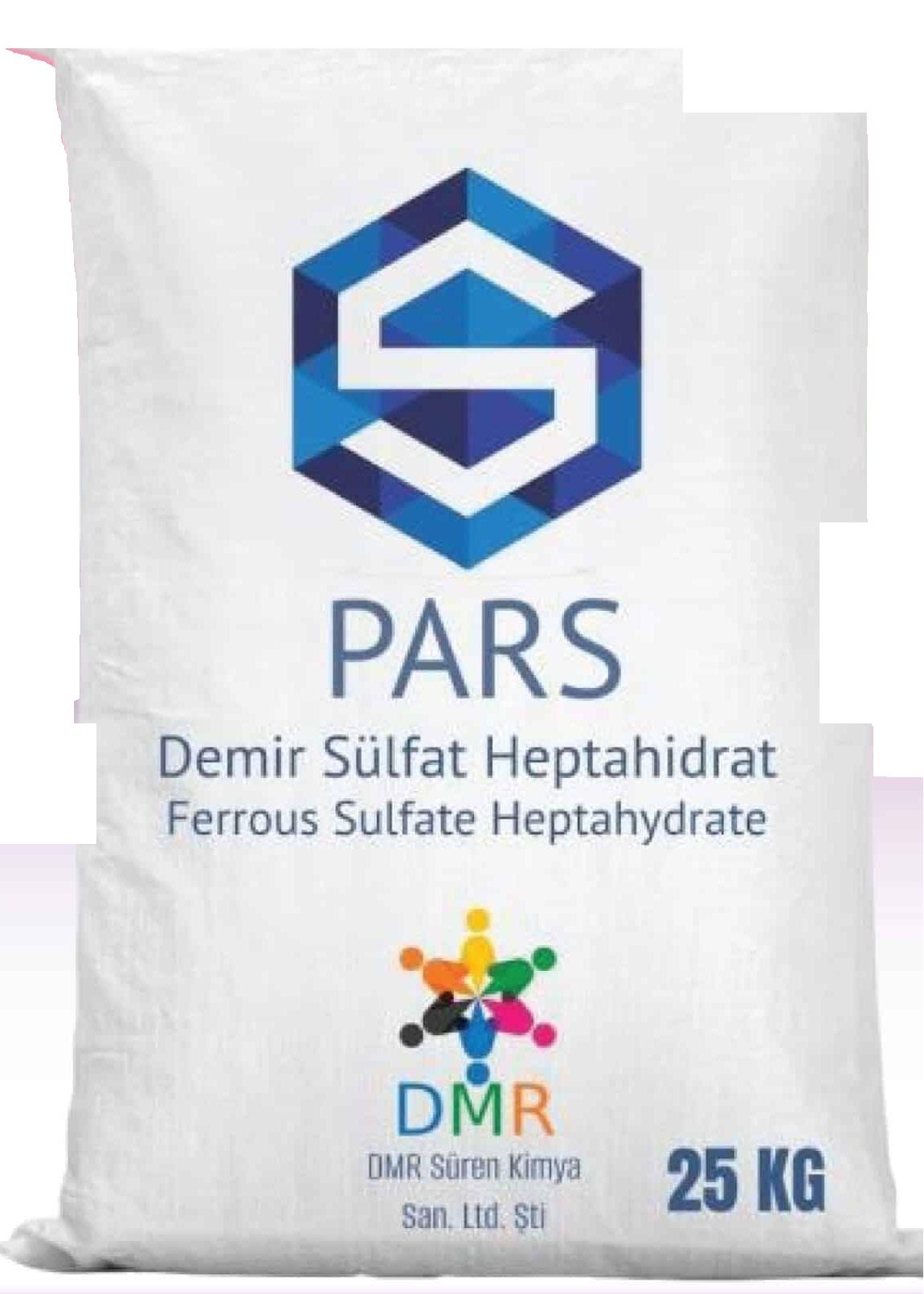
Ferrous Sulphate Heptahydrate 98% Min in 25 kg bags supplied by KIKI'S Industrial Chemicals.
Quick Answer — Ferrous Sulphate for Agriculture: Iron Supply, Fertilizer Blending and Crop Applications
In agriculture, Ferrous Sulphate Heptahydrate is an essential source of bioavailable iron (Fe²⁺) used to prevent and cure lime-induced iron chlorosis in high-pH and calcareous soils. It can be applied directly to soil alongside organic acidifiers, formulated into foliar micronutrient sprays (0.5%–1.0% w/v), or used as a mineral raw material in custom NPK fertilizer blending.
An agronomic crop nutrition manual detailing plant physiology, iron deficiency symptoms, soil chemistry interactions, and application protocols for ferrous sulphate.
Key Facts
- •Delivers bioavailable Fe²⁺ essential for chlorophyll synthesis and electron transport.
- •Corrects interveinal chlorosis (yellowing between leaf veins) in roses, tea, and citrus.
- •Soil application in high-pH (>7.5) soils requires co-application with organic matter to prevent lockup.
- •Standard foliar spray concentration is 5–10 g per litre of water (0.5% – 1.0% solution).
Primary Use Cases
The Critical Role of Iron in Crop Physiology
Iron is an essential micronutrient for all plant life. Although not incorporated directly into chlorophyll molecules, iron acts as a non-negotiable biochemical catalyst in the enzyme systems that synthesize chlorophyll, power chloroplast electron transport, and drive nitrogen fixation. When iron availability drops, crops rapidly display interveinal chlorosis — leaves turn pale yellow or bleached white while the veins remain green, leading to stunted vegetative growth and severe yield loss.
For commercial growers and fertilizer blenders, Ferrous Sulphate Heptahydrate 98% Min provides a soluble, cost-effective mineral iron source delivering approximately 19.7% elemental iron.
Iron Deficiency Dynamics in Kenyan Soils
Across the Great Rift Valley, Naivasha horticultural clusters, and alkaline soils of eastern and northern Kenya, total iron in the earth is often abundant, yet completely inaccessible to plants. In soils with pH > 7.2 or high bicarbonate and calcium carbonate levels, soluble Fe²⁺ ions precipitate almost instantaneously as insoluble ferric oxides and hydroxides. This condition, known as lime-induced chlorosis, affects high-value export crops including roses, carnations, avocados, citrus, and macadamia.
Application Strategies: Soil vs. Foliar
1. Foliar Spray Application
Because high-pH soils lock up iron so rapidly, foliar spraying is the fastest method for curing acute deficiency. Dissolve 5 to 10 grams of technical-grade ferrous sulphate heptahydrate per litre of clean water (0.5% – 1.0% solution). Adding an agricultural non-ionic wetting agent improves leaf coverage. Spray during early morning or late afternoon to avoid leaf scorch from rapid midday evaporation.
2. Soil Amendment and Organic Blending
When applying to soil, broadcast application of bare ferrous sulphate into alkaline soil is generally ineffective due to rapid chemical fixation. To ensure uptake, blend ferrous sulphate with compost, farmyard manure, or humic acid. The organic matter acts as a natural chelate, shielding the iron from soil carbonates until crop roots can absorb it.
Formulating Chelated Iron from Raw Heptahydrate
Fertilizer toll blenders in Nairobi and Nakuru utilize ferrous sulphate heptahydrate as the starting raw material to synthesize chelated iron complexes (such as Fe-EDTA). Reacting ferrous sulphate with ethylenediaminetetraacetic acid under controlled temperature and pH produces stable, water-soluble chelates suitable for high-tech closed hydroponic and greenhouse dripper systems.
Calculate active iron content for fertigation: How Much Iron Is in 98% Ferrous Sulphate Heptahydrate?.
Discover wider industrial and manufacturing uses: Industrial Ferrous Sulphate Applications Beyond Water Treatment.
Article Frequently Asked Questions
Related Categories
Related Industries
Chemicals Mentioned in This Guide

Ferrous Sulfate Heptahydrate 98% Min
Ferrous Sulphate Heptahydrate 98% Min (FeSO₄·7H₂O, CAS 7782-63-0) is an industrial-grade iron(II) salt supplied in 25…
CAS 7782-63-0 · Industrial Grade · Crystal

ABS/LAS 80% for Industrial Use (ABS/LAS)
ABS/LAS (80%) supplied by Kiki's Industrial Chemicals Ltd in 25kg bags across Kenya and East Africa.
Technical Grade · Powder

ATMP (50%)
ATMP (50%) supplied by Kiki's Industrial Chemicals Ltd in 200kg drum. Ideal for Water treatment chemicals.
50% · Standard Packaging

ATMP 50% for Industrial Use (ATMP)
ATMP (50%) supplied by Kiki's Industrial Chemicals Ltd in 200kg drums across Kenya and East Africa.
Technical Grade · Liquid
Related Technical Guides & Insights
View all →Ferrous Sulphate in East Africa: A Practical Procurement Guide for Kenya, Tanzania, Uganda and Rwanda
A regional procurement guide for importing and transporting ferrous sulphate heptahydrate across the East African Community. Covers trade corridors, customs clearing, buffer stock management, and cross-border transit logistics.
Guides & How-TosFerrous Sulphate Heptahydrate 98%: What Buyers in Kenya Need to Know Before Ordering
A comprehensive procurement guide for industrial chemical buyers in Kenya. Understand the difference between 98% compound purity and elemental iron, packaging standards, COA parameters, and regional sourcing options.
Chemical ProcurementFerrous Sulphate Heptahydrate: Common Buyer Mistakes and How to Avoid Them
Avoid costly industrial procurement errors when ordering ferrous sulphate. Learn how confusing assay with elemental iron, ignoring hydration forms, accepting unlined sacks, and skipping COA verifications inflate factory operating costs.