Ferrous Sulphate Heptahydrate: Common Buyer Mistakes and How to Avoid Them
Avoid costly industrial procurement errors when ordering ferrous sulphate. Learn how confusing assay with elemental iron, ignoring hydration forms, accepting unlined sacks, and skipping COA verifications inflate factory operating costs.
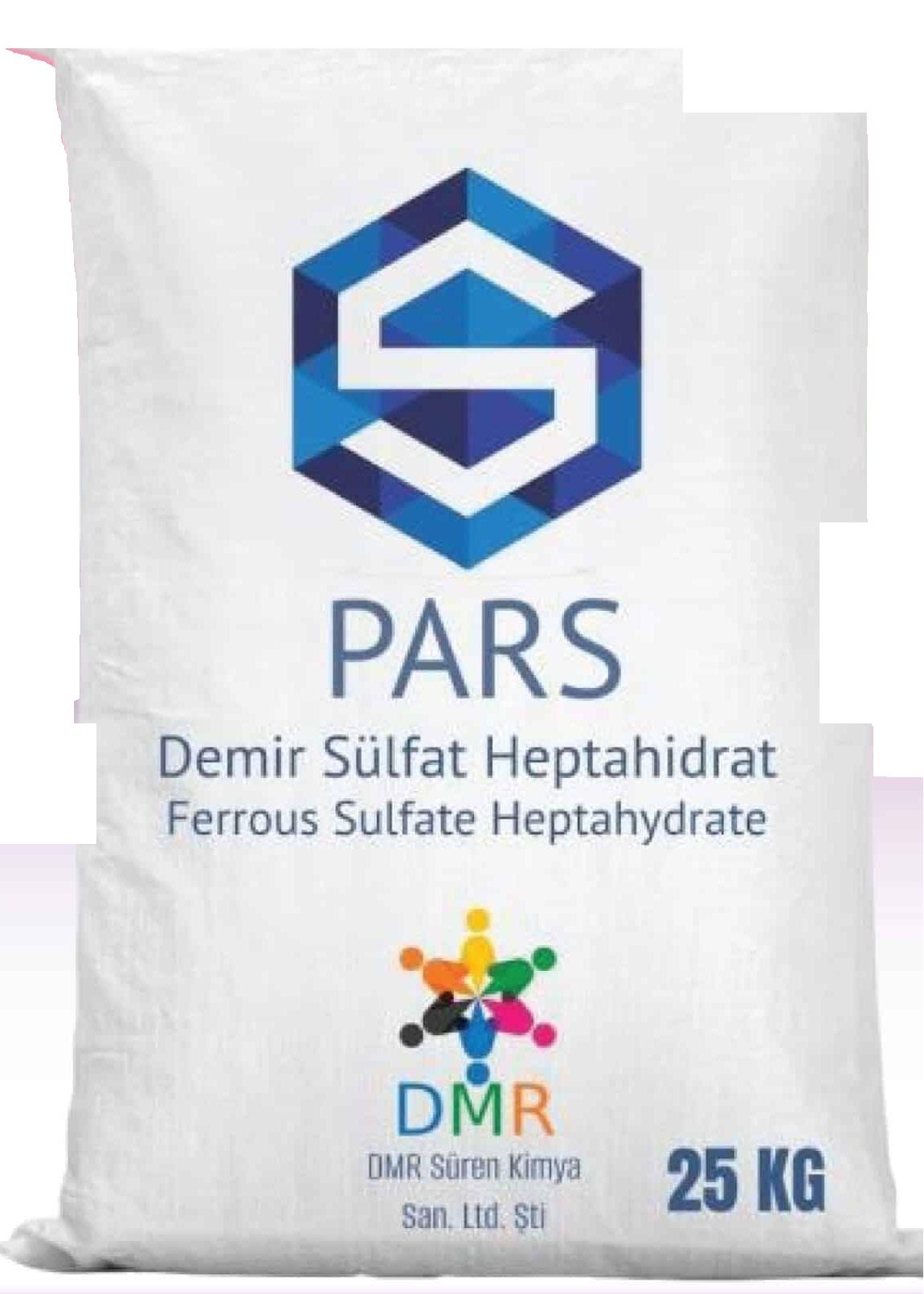
Ferrous Sulphate Heptahydrate 98% Min in 25 kg bags supplied by KIKI'S Industrial Chemicals.
Quick Answer — Ferrous Sulphate Heptahydrate: Common Buyer Mistakes and How to Avoid Them
The most common mistakes when buying ferrous sulphate heptahydrate are: (1) confusing 98% compound purity with elemental iron content, (2) substituting monohydrate without recalculating dosing rates, (3) buying based solely on the lowest bag price without a verified Certificate of Analysis, (4) purchasing unlined bags that harden into solid blocks during humid transit, and (5) failing to verify insoluble matter limits.
1. The Costly Reality of Chemical Procurement Errors
Purchasing industrial chemicals is fundamentally different from buying finished goods. In chemical manufacturing and effluent treatment, a minor error on a specification sheet can precipitate catastrophic operational consequences: off-spec municipal wastewater discharge, blocked dosing manifolds, ruined agricultural foliar sprays, or thousands of dollars in ruined, rock-hard chemical stock.
Here are the seven most prevalent and costly mistakes buyers make when sourcing ferrous sulphate heptahydrate in East Africa:
Mistake 1: Confusing 98% Compound Assay with 98% Elemental Iron
The most frequent technical error occurs when procurement officers assume 'Ferrous Sulphate 98%' delivers 98 kg of iron per 100 kg of chemical. In reality, 98% refers strictly to the compound purity of the heptahydrate molecule (FeSO₄·7H₂O). Because seven water molecules constitute over 45% of the molecular mass, pure heptahydrate contains 20.09% elemental iron, yielding approximately 19.7% active Fe at 98% assay.
See the complete mathematical proof in our guide: How Much Iron Is in 98% Ferrous Sulphate Heptahydrate?.
Mistake 2: Confusing Heptahydrate with Monohydrate
Ferrous sulphate is commercially distributed in two distinct forms:
- Heptahydrate (FeSO₄·7H₂O): Pale blue-green crystals containing ~19.7% Fe. Dissolves rapidly at room temperature. Preferred for liquid effluent dosing.
- Monohydrate (FeSO₄·H₂O): Off-white or buff powder/granules containing ~30% Fe. Dissolves slower. Preferred for dry fertilizer blending.
If an operator accustomed to heptahydrate switches to monohydrate without adjusting dosing settings, they will accidentally overdose active iron by more than 50%, crashing effluent pH and dramatically increasing chemical costs.
Mistake 3: Buying on Lowest Bag Price Without a COA
Unscrupulous traders sometimes offer cheap unrefined ferrous sulphate salvaged from steel pickling baths without secondary recrystallization. These by-product consignments often contain high free sulphuric acid, graphite residue, and elevated heavy metals (lead, arsenic, mercury). Always insist on a certified batch Certificate of Analysis confirming assay ≥98% and insolubles ≤0.2%.
Mistake 4: Accepting Unlined Sacks in Humid Corridors
Sourcing bags with single-ply woven polypropylene without an internal heat-sealed polyethylene (PE) liner is a false economy. In Mombasa or during rainy transit through the Rift Valley, ambient atmospheric humidity penetrates unlined sacks within days, causing the crystals to cake into an unyielding solid block that must be broken with hammers.
Mistake 5: Failing to Check Ferric Contamination (Brown Powder)
High-grade ferrous sulphate heptahydrate exhibits a distinct pale blue-green or sea-green crystalline hue. If bags contain brownish or yellowish powder, substantial surface oxidation has already converted Fe²⁺ to insoluble Fe³⁺ basic sulphates. While not always unusable, oxidized material contains less active reducing capacity and creates insoluble sludge.
Mistake 6: Storing Direct on Warehouse Concrete Floors
Concrete floors absorb ground moisture and conduct cold temperatures, creating a thermal boundary that promotes condensation inside bottom bags. Chemical stock must always be elevated on clean wooden or plastic pallets and stacked no more than 6 to 8 bags high.
Mistake 7: Ordering Without Verifying Destination Offloading Capability
Commercial orders of 10 to 25 metric tons are typically delivered on shrink-wrapped pallets weighing 1 metric ton each. If the receiving factory does not operate a forklift, manual destuffing must be arranged in advance to prevent carrier demurrage fees.
For certified specifications and quotation, view KIKI'S canonical product listing: Ferrous Sulphate Heptahydrate 98% Min (25 kg Bags) supplied across Kenya and East Africa.
Master the mathematics of active iron content: How Much Iron Is in 98% Ferrous Sulphate Heptahydrate?.
Distinguish heptahydrate from monohydrate: Ferrous Sulphate Heptahydrate vs Monohydrate.
Article Frequently Asked Questions
Chemicals Mentioned in This Guide

Ferrous Sulfate Heptahydrate 98% Min
Ferrous Sulphate Heptahydrate 98% Min (FeSO₄·7H₂O, CAS 7782-63-0) is an industrial-grade iron(II) salt supplied in 25…
CAS 7782-63-0 · Industrial Grade · Crystal

ABS/LAS 80% for Industrial Use (ABS/LAS)
ABS/LAS (80%) supplied by Kiki's Industrial Chemicals Ltd in 25kg bags across Kenya and East Africa.
Technical Grade · Powder

ATMP (50%)
ATMP (50%) supplied by Kiki's Industrial Chemicals Ltd in 200kg drum. Ideal for Water treatment chemicals.
50% · Standard Packaging

ATMP 50% for Industrial Use (ATMP)
ATMP (50%) supplied by Kiki's Industrial Chemicals Ltd in 200kg drums across Kenya and East Africa.
Technical Grade · Liquid
Related Technical Guides & Insights
View all →Ferrous Sulphate Heptahydrate vs Monohydrate: Which Form Do You Need?
A technical and economic comparison between Ferrous Sulphate Heptahydrate (FeSO₄·7H₂O, 19.7% Fe) and Monohydrate (FeSO₄·H₂O, 30% Fe). Discover which form fits your process and budget.
Industrial ApplicationsFerrous Sulphate for Industrial Effluent: From Chemical Selection to Process Control
A technical guide to implementing ferrous sulphate in industrial wastewater treatment. Covers contaminant target chemistry, pH operating windows, jar testing protocols, dosing systems, and sludge dewatering management.
Water TreatmentFerrous Sulphate and Phosphate Removal: Understanding the Treatment Chemistry
A deep dive into the reaction chemistry of phosphate removal using ferrous sulphate. Understand precipitation kinetics, Fe:P stoichiometric molar ratios, simultaneous dosing in aeration basins, and sludge generation.