How to Store Ferrous Sulphate Heptahydrate in Kenya’s Warehouse Conditions
Practical warehouse engineering advice for storing Ferrous Sulphate Heptahydrate in tropical and high-altitude East African climates. Moisture control, palletizing, and FIFO rotation.
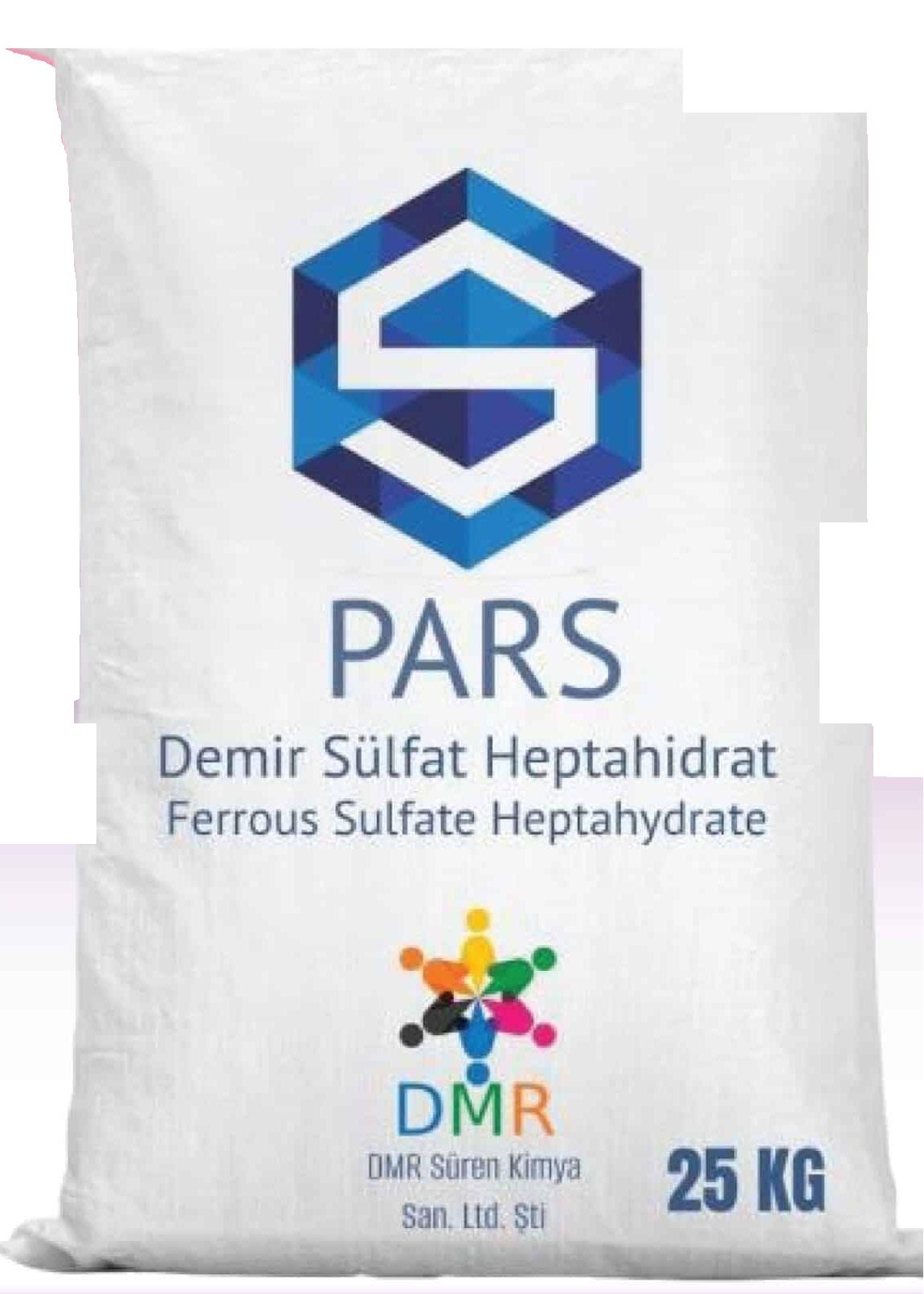
Ferrous Sulphate Heptahydrate 98% Min in 25 kg bags supplied by KIKI'S Industrial Chemicals.
Quick Answer — How to Store Ferrous Sulphate Heptahydrate in Kenya’s Warehouse Conditions
To store Ferrous Sulphate Heptahydrate in Kenya without degradation: 1) Store bags on wooden or plastic pallets elevated at least 100 mm off the concrete floor, 2) Maintain unopened inner polyethylene liners to block humid air, 3) Maintain warehouse ambient temperatures below 35°C to avoid efflorescence, 4) Keep pallets 500 mm away from external walls, and 5) Strictly enforce First-In, First-Out (FIFO) stock rotation within a 12-month window.
A warehouse management and chemical preservation protocol designed for humid, equatorial, and high-temperature storage environments in East Africa.
Key Facts
- •Never store bags directly on bare concrete due to capillary moisture absorption.
- •Maximum recommended stacking height is 3 pallets (approx. 40 bags per pallet) on level racks.
- •Relative humidity above 75% accelerates crystal caking if inner liners are punctured.
- •Apply FIFO stock rotation to consume older lots before seasonal monsoon rains.
Primary Use Cases
The Environmental Challenge in East African Warehousing
Managing industrial chemical storage across East Africa involves diverse microclimates. In Mombasa and coastal transit hubs, relative humidity routinely exceeds 85% with ambient temperatures above 32°C. In Nairobi and the central highlands, cool rainy seasons bring sustained dampness. For an inorganic salt with seven waters of crystallization like ferrous sulphate heptahydrate, these environmental swings pose distinct preservation risks.
When managing stock of Ferrous Sulphate Heptahydrate 98% Min, following proper warehouse protocols prevents expensive inventory write-downs caused by caking and oxidation.
Understanding Caking and Efflorescence Mechanisms
Ferrous sulphate crystals are mildly efflorescent in very dry, hot air (they lose surface water of crystallization) and hygroscopic in humid air (they absorb atmospheric moisture). When relative humidity fluctuates, crystal surfaces partially dissolve and recrystallize, bridging adjacent granules into a solid concrete-like block. Furthermore, exposure to oxygen and moisture oxidizes ferrous ions (Fe²⁺) into ferric iron (Fe³⁺), forming a yellowish-brown crust.
The Five Mandatory Warehouse Rules
- Elevate on Pallets: Never place bags directly on concrete warehouse slabs. Ground moisture wicks through woven bags. Use clean, splinter-free wooden or plastic pallets elevated at least 100 mm above the floor.
- Preserve Liner Integrity: Ensure the internal polyethylene liner is never punctured with cargo hooks. Once a bag is opened for partial dosing, fold and clamp the inner liner tightly shut immediately.
- Maintain Wall Clearances: Stack pallets at least 500 mm away from exterior warehouse walls to ensure adequate natural air circulation and avoid condensation zones.
- Limit Stacking Height: Do not stack pallets more than two units high without intermediate racking. Excessive compression pressure on bottom bags accelerates caking.
- Enforce FIFO Discipline: Practice First-In, First-Out (FIFO) stock turnover. Ensure that lots received during earlier shipments are dispatched or consumed before opening newer consignments.
Learn why oxidation turns crystals brown: Why Ferrous Sulphate Turns Brown: Oxidation & Storage.
Inspect commercial packaging standards: 25kg Ferrous Sulphate Heptahydrate Procurement Checklist.
Article Frequently Asked Questions
Related Categories
Chemicals Mentioned in This Guide

Ferrous Sulfate Heptahydrate 98% Min
Ferrous Sulphate Heptahydrate 98% Min (FeSO₄·7H₂O, CAS 7782-63-0) is an industrial-grade iron(II) salt supplied in 25…
CAS 7782-63-0 · Industrial Grade · Crystal

ABS/LAS 80% for Industrial Use (ABS/LAS)
ABS/LAS (80%) supplied by Kiki's Industrial Chemicals Ltd in 25kg bags across Kenya and East Africa.
Technical Grade · Powder

ATMP (50%)
ATMP (50%) supplied by Kiki's Industrial Chemicals Ltd in 200kg drum. Ideal for Water treatment chemicals.
50% · Standard Packaging

ATMP 50% for Industrial Use (ATMP)
ATMP (50%) supplied by Kiki's Industrial Chemicals Ltd in 200kg drums across Kenya and East Africa.
Technical Grade · Liquid
Related Technical Guides & Insights
View all →Industrial Ferrous Sulphate: Applications Beyond Water Treatment
Discover the diverse industrial uses of ferrous sulphate heptahydrate beyond water clarification: agricultural iron chlorosis remediation, cement chromium reduction, synthetic pigment manufacturing, and textile dyeing mordants.
Guides & How-TosHow Much Iron Is in 98% Ferrous Sulphate Heptahydrate? The 19.7% Fe Calculation
A step-by-step chemical stoichiometry guide explaining how to calculate the 19.7% elemental iron fraction from 98% FeSO₄·7H₂O and avoid dosing errors.
Product OverviewsThe Quiet Work of Iron: A Story of Ferrous Sulphate in East African Industry
A behind-the-scenes look at the people, processes, and precision behind ferrous sulphate in East African industry. From water engineers and warehouse teams to fertilizer blenders, discover why quality chemical supply is about knowledge and integrity.