Ferrous Sulphate for Wastewater Treatment: Chemistry, Applications and Procurement
How industrial effluent plants in East Africa utilize Ferrous Sulphate for decolorization, Fenton oxidation, sulfide odour abatement, and chromium reduction.
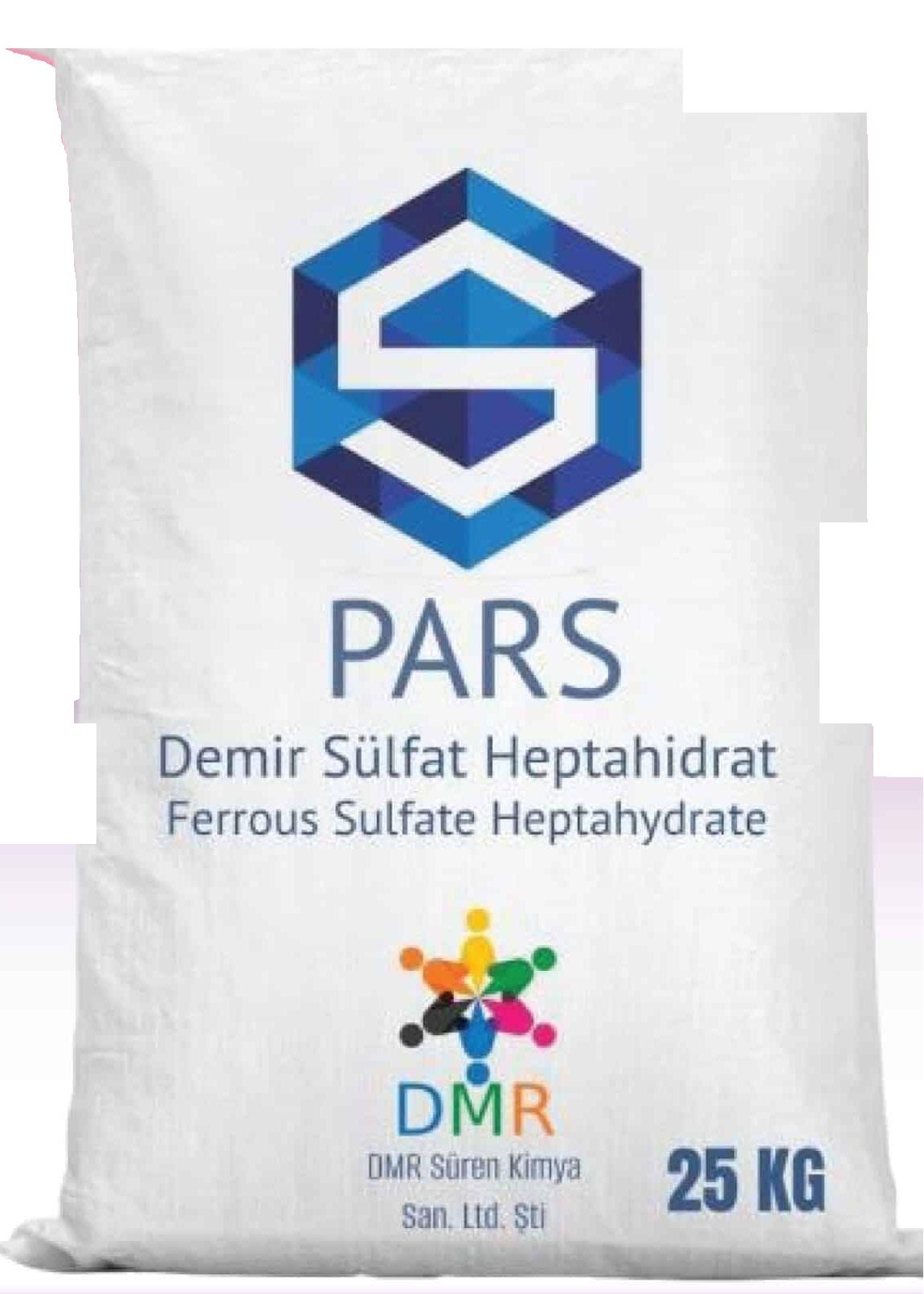
Ferrous Sulphate Heptahydrate 98% Min in 25 kg bags supplied by KIKI'S Industrial Chemicals.
Quick Answer — Ferrous Sulphate for Wastewater Treatment: Chemistry, Applications and Procurement
Ferrous Sulphate Heptahydrate is widely used in industrial wastewater treatment to reduce hexavalent chromium (Cr VI to Cr III), break down synthetic dyes via Fenton's oxidation with hydrogen peroxide, precipitate soluble sulfides to eliminate H₂S sewer odours, and remove heavy metals. Its high reduction capacity and floc-forming characteristics make it essential for meeting NEMA industrial effluent discharge standards.
An industrial wastewater engineering guide detailing reaction chemistry, Fenton reagent optimization, and compliance protocols for East African industrial effluent treatment plants.
Key Facts
- •Acts as catalyst in the Fenton reaction (Fe²⁺ + H₂O₂ → Fe³⁺ + •OH + OH⁻) to destroy recalcitrant COD.
- •Reduces toxic hexavalent chromium in tannery and plating waste to insoluble chromium hydroxide.
- •Eliminates toxic and corrosive hydrogen sulfide odours by forming insoluble iron sulfide (FeS).
- •Enables industrial facilities to comply with Kenya NEMA Water Quality Regulations (2006).
Primary Use Cases
Industrial Effluent Standards in Kenya and East Africa
Industrial manufacturers across Kenya face rigorous regulatory compliance enforced by the National Environment Management Authority (NEMA) under the Environmental Management and Co-ordination (Water Quality) Regulations 2006. Limits on Chemical Oxygen Demand (COD < 50 mg/L for municipal sewer or < 250 mg/L for direct discharge), color, heavy metals, and phosphorus make chemical treatment non-negotiable.
For treating recalcitrant factory wastewater, Ferrous Sulphate Heptahydrate 98% Min is one of the most versatile and cost-effective reduction and coagulation agents available.
The Fenton's Reagent Advanced Oxidation Process
In textile finishing mills and pharmaceutical formulation plants, wastewater contains complex aromatic compounds and synthetic azo dyes that resist biological degradation. By reacting ferrous sulphate (Fe²⁺) with 50% hydrogen peroxide (H₂O₂) at an acidic pH (3.0 – 3.5), the Fenton reaction generates highly reactive hydroxyl free radicals (•OH):
Fe²⁺ + H₂O₂ → Fe³⁺ + •OH + OH⁻
Hydroxyl radicals possess an extraordinary oxidation potential of +2.80V, cleaving aromatic rings and non-biodegradable surfactants. Following oxidation, raising the pH to 7.5 – 8.5 precipitates the ferric iron as hydroxide flocs, which adsorb the degraded organic fragments and precipitate out of solution.
Tannery Wastewater and Hexavalent Chromium Reduction
In the leather tanning corridors of Nairobi and Athi River, spent tanning liquors contain hazardous hexavalent chromium Cr(VI). Dosing ferrous sulphate rapidly reduces Cr(VI) to non-toxic trivalent chromium Cr(III) under acidic conditions:
Cr₂O₇²⁻ + 6Fe²⁺ + 14H⁺ → 2Cr³⁺ + 6Fe³⁺ + 7H₂O
Subsequent addition of hydrated lime precipitates both chromium and iron as a dense, co-mingled hydroxide sludge (Cr(OH)₃ and Fe(OH)₃), allowing compliance with heavy metal discharge thresholds.
Odour and Sulfide Control in Septic and Industrial Sewers
Anaerobic digestion of organic sulfur produces toxic and corrosive hydrogen sulfide gas (H₂S). When dosed into raw effluent channels, Fe²⁺ reacts instantly with dissolved sulfides to form black, insoluble ferrous sulfide (FeS):
Fe²⁺ + S²⁻ → FeS↓
This immobilizes the sulfide in solid form, preventing atmospheric release, protecting concrete sewer crowns from biogenic sulfuric acid corrosion, and eliminating foul odours.
Fine-tune plant dosing and jar testing: Ferrous Sulphate for Industrial Effluent: Process Control.
Compare alternative iron coagulants: Ferrous Sulphate vs Ferric Chloride for Water Treatment.
Article Frequently Asked Questions
Related Categories
Chemicals Mentioned in This Guide

Ferrous Sulfate Heptahydrate 98% Min
Ferrous Sulphate Heptahydrate 98% Min (FeSO₄·7H₂O, CAS 7782-63-0) is an industrial-grade iron(II) salt supplied in 25…
CAS 7782-63-0 · Industrial Grade · Crystal

ATMP (50%)
ATMP (50%) supplied by Kiki's Industrial Chemicals Ltd in 200kg drum. Ideal for Water treatment chemicals.
50% · Standard Packaging

Activated Carbon Coal / wood base for Industrial Use (Activated Carbon)
Activated Carbon (Coal / wood base) supplied by Kiki's Industrial Chemicals Ltd in 25kg bag across Kenya and East…
Technical Grade · Powder

Activated Carbon Granular / Powder (Water Purification CTC 45-60)
Activated Carbon Granular / Powder (Water Purification CTC 45-60) supplied by Kiki's Industrial Chemicals Ltd in 25kg…
Water Purification CTC 45-60 · Standard Packaging
Related Technical Guides & Insights
View all →Ferrous Sulphate in Water Treatment: What It Does and When It Makes Sense
A technical operational guide exploring the coagulation and reduction chemistry of ferrous sulphate in potable and industrial process water treatment.
Guides & How-TosHow to Read a Ferrous Sulphate COA Before Buying
A quality control guide on analyzing Certificates of Analysis for Ferrous Sulphate. How to audit assay, insolubles, free acid, heavy metals, and batch traceability.
Chemical SafetyHow to Store Ferrous Sulphate Heptahydrate in Kenya’s Warehouse Conditions
Practical warehouse engineering advice for storing Ferrous Sulphate Heptahydrate in tropical and high-altitude East African climates. Moisture control, palletizing, and FIFO rotation.