Understanding Chemical Safety Data Sheets (SDS) & KEBS Regulatory Compliance in Kenya
How to read GHS 16-section Safety Data Sheets (SDS) and ensure KEBS, NEMA, and DOSHS statutory chemical compliance in Kenyan industrial facilities.
Quick Answer — Understanding Chemical Safety Data Sheets (SDS) & KEBS Regulatory Compliance in Kenya
A Safety Data Sheet (SDS) is a standardized 16-section technical document mandated by Kenyan occupational safety law (OSHA 2007) and international GHS standards. It outlines the physical, health, and environmental hazards of a chemical substance, detailing required Personal Protective Equipment (PPE), first aid procedures, toxicological exposure limits, firefighting measures, and safe transport classifications. In Kenya, chemical importers and manufacturers must supply an authentic SDS alongside every commercial shipment to satisfy KEBS, NEMA, and DOSHS compliance.
A Safety Data Sheet (SDS, formerly MSDS) is an internationally standardized document providing comprehensive information regarding the chemical properties, safety hazards, handling, storage, and emergency measures for industrial substances.
Key Facts
- •A Certificate of Analysis (COA) verifies batch-specific purity and assay, whereas a Safety Data Sheet (SDS) provides non-batch-specific safety, toxicology, and regulatory guidance.
- •Kenyan occupational safety audits by DOSHS legally require an accessible, up-to-date SDS binder located within 15 meters of all active chemical storage areas.
- •Under GHS Rev 8, Section 8 of the SDS defines critical Occupational Exposure Limits (OEL / TWA) that govern factory ventilation design.
For a plant manager, environmental health and safety (EHS) officer, or procurement manager in Nairobi or Mombasa, receiving a chemical consignment without a comprehensive, authentic Safety Data Sheet (SDS) is an immediate red flag.
A shipment of chemical drums may look fine on the truck, but when a statutory inspector from DOSHS (Directorate of Occupational Safety and Health Services) or NEMA walks through your factory gates, the absence of an accessible, up-to-date SDS binder triggers immediate non-compliance notices, stop-work orders, and statutory penalties under the Occupational Safety and Health Act (OSHA 2007).
More importantly, in the event of an accidental splash, spill, or fire, the SDS is the life-saving reference your emergency response team consults within the first thirty seconds.
Understanding how to read, verify, and implement the Globally Harmonized System (GHS) 16-section SDS is a foundational responsibility of modern industrial operations.
---
1. SDS vs COA: Clearing the Confusion
Procurement teams frequently confuse two distinct chemical documents:
Document Type — Certificate of Analysis (COA) — Safety Data Sheet (SDS)
Primary Purpose — Verifies product quality and specification — Communicates hazards, safety & first aid
Batch Specificity — Yes: Unique to specific manufacturing lot — No: Applies to chemical species generally
Key Information — Assay %, Impurities, Density, Moisture, Color — GHS Hazard Pictograms, PPE, First Aid, Fire/Spill
Primary Audience — Quality Control (QC) & Production Chemists — EHS Officers, Warehouse Crew, Emergency Responders
Regulatory Driver — Commercial purchase contract & KEBS standards — OSHA 2007, DOSHS, NEMA, GHS Regulations
---
2. The 16 Mandatory GHS Sections: Key Focus Areas
Every compliant SDS follows the international 16-section sequence established by the United Nations Globally Harmonized System:
- Section 1: Identification (Product Name, Chemical Family, Manufacturer, 24/7 Emergency Phone)
- Section 2: Hazard(s) Identification (GHS Pictograms, Signal Words, H & P Precautionary Statements)
- Section 3: Composition / Information on Ingredients (CAS Numbers, Impurities, % Concentration)
- Section 4: First-Aid Measures (Inhalation, Skin Contact, Eye Irrigation, Ingestion Protocols)
- Section 5: Fire-Fighting Measures (Extinguishing Media, Hazardous Combustion Products, Firefighter PPE)
- Section 6: Accidental Release Measures (Personal Precautions, Emergency Neutralization, Spill Bunding)
- Section 7: Handling & Storage (Ventilation, Temperature Thresholds, Incompatible Chemical Segregation)
- Section 8: Exposure Controls / Personal Protection (OEL / TLV Limits, Engineering Controls, PPE Matrix)
- Section 9: Physical and Chemical Properties (Boiling Point, Vapor Pressure, Flash Point, Specific Gravity, pH)
- Section 10: Stability and Reactivity (Thermal Decomposition, Polymerization, Incompatible Reactants)
- Section 11: Toxicological Information (LD50 Values, Acute Toxicity, Mutagenicity, Carcinogenicity)
- Section 12: Ecological Information (Ecotoxicity, Aquatic Toxicity, Biodegradability, Bioaccumulation)
- Section 13: Disposal Considerations (Hazardous Waste Treatment, Neutralization Methods, Container Disposal)
- Section 14: Transport Information (UN Number, Proper Shipping Name, Hazard Class, Packing Group)
- Section 15: Regulatory Information (National KEBS/NEMA Laws, International Chemical Conventions)
- Section 16: Other Information (Revision Date, NFPA / HMIS Ratings, Full Text of H-Statements)
The 4 Most Critical Sections for Factory Operations:
Section 2: Hazard Identification (GHS Codes)
Signal Words: "DANGER" (Severe hazards like Caustic Soda or Nitric Acid) vs "WARNING" (Moderate hazards like Calcium Carbonate).
Hazard Statements (H-codes): E.g., H314 (Causes severe skin burns and eye damage).
Precautionary Statements (P-codes):* E.g., P280 (Wear protective gloves/clothing/eye protection).
Section 4: Emergency First Aid Measures
Contains immediate, step-by-step actions. For example, for Hydrofluoric Acid, Section 4 mandates immediate application of Calcium Gluconate 2.5% gel rather than water flushing alone.
Section 8: Exposure Controls & PPE
Specifies the exact chemical resistance material required for gloves (e.g. Butyl Rubber vs Nitrile vs Neoprene) and the specific air-purifying cartridge filter rating (e.g. Type B for inorganic acid vapors).
Section 14: Transport Information
Lists the UN Number (e.g. UN 1823 for solid Caustic Soda), Dangerous Goods Class (Class 8 Corrosive), and Packing Group (Group II), required by transporters and the Kenya Police Traffic Directorate for dangerous goods transit clearance.
---
3. Kenyan Statutory Framework & Compliance Audits
In Kenya, workplace chemical compliance is governed by three primary statutory bodies:
1. DOSHS (Directorate of Occupational Safety and Health Services)
Mandates under OSHA 2007 (Section 83) that every employer must provide an accessible SDS binder written in clear English and accessible to all operators on the factory floor.
Requires mandatory employee training on chemical hazards, secondary labeling of all transfer containers, and functional emergency eyewash stations within 10 seconds travel distance.
2. NEMA (National Environment Management Authority)
* Requires tracking of toxic substances (Section 12 & 13 of the SDS) to ensure effluent and solid chemical waste do not contaminate local watercourses or municipal drainage networks.
3. KEBS (Kenya Bureau of Standards)
Enforces Standards of Quality (such as KS EAS 12 for water treatment chemicals and KS 2169 for industrial detergents), checking incoming import consignments under the PVoC (Pre-Export Verification of Conformity)* program.
---
4. Practical Implementation: Building a Factory Hazard Communication System
- The 15-Meter Accessibility Rule: Keep an updated, physical hard-copy SDS binder in a bright yellow wall-mounted station within 15 meters of your chemical store and active batching areas.
- Secondary Container Labeling: When decanting bulk chemicals from 1000L IBCs or 200L drums into smaller buckets or jerrycans, never leave containers unlabeled. Affix a secondary GHS label showing the chemical name, concentration, and primary hazard pictograms.
- Emergency Eyewash & Safety Showers: Test emergency drench showers and eyewash fountains weekly to ensure clean water flow and adequate flushing pressure ($> 60 psi$).
---
5. Summary: Safety is the Foundation of Productivity
A Safety Data Sheet should never be treated as decorative paperwork buried at the bottom of an inbox.
It is your factory's operational blueprint for hazard prevention, worker safety, environmental stewardship, and regulatory compliance. Always demand verified, up-to-date SDS documentation from your chemical supplier before taking delivery of any industrial material.
Article Frequently Asked Questions
Related Industries
Related Applications
Chemicals Mentioned in This Guide

Sulfuric Acid ( Sulphuric Acid 98% ) (Tech / Battery Grade 98% min)
Sulfuric Acid ( Sulphuric Acid 98% ) (Tech / Battery Grade 98% min) supplied by Kiki's Industrial Chemicals Ltd in 35kg…
CAS 7664-93-9 · Technical Grade · Liquid

Hydrochloric Acid ( Muriatic Acid 31% - 35% ) (Tech Grade Pickling & pH Control)
Hydrochloric Acid ( Muriatic Acid 31% - 35% ) (Tech Grade Pickling & pH Control) supplied by Kiki's Industrial…
Tech Grade Pickling & pH Control · Standard Packaging

Caustic Soda (Flakes, Pearls) (99% min)
Caustic Soda (Flakes, Pearls) (99% min) supplied by Kiki's Industrial Chemicals Ltd in 25kg bag. Ideal for Textile…
CAS 1310-73-2 · 99% min · Standard Packaging
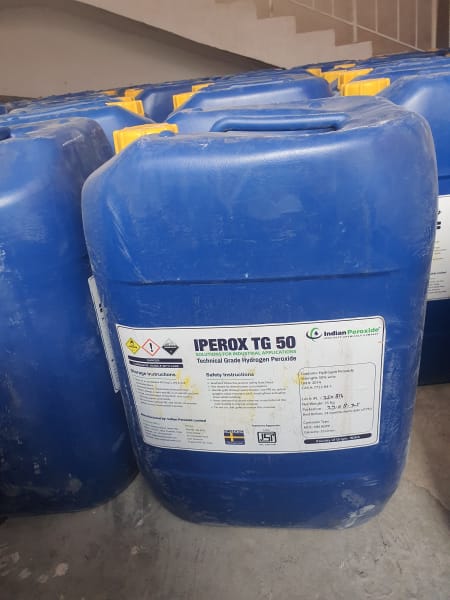
Hydrogen Peroxide 50% Solution (Textile Bleaching Peroxide)
Industrial-grade Hydrogen Peroxide 50% solution for textile bleaching, effluent water treatment, disinfection, and…
CAS 7722-84-1 · Technical Grade · Liquid
Related Technical Guides & Insights
View all →Calcium Carbonate (Limestone Powder): Grade Selection for Animal Feed, Paints & PVC Compounds
How to select Calcium Carbonate mesh grades in Kenya for animal feed (80-120 mesh), paint extender (325-400 mesh), and coated PVC filler (800-1250 mesh).
Industrial ApplicationsHydrogen Peroxide 50%: Industrial Bleaching, Oxidizing & Eco-Friendly Sanitation Applications
Technical guide to Hydrogen Peroxide 50% in Kenya. Industrial cotton bleaching, aseptic beverage packaging, effluent treatment, storage, and safety.
Product OverviewsIndustrial Hydrochloric Acid (HCl 33%): Applications, Steel Pickling, Water Treatment & Sourcing
Technical guide to Industrial Hydrochloric Acid (HCl 33%) in Kenya. Sourcing specifications, steel pickling chemistry, pH adjustment, storage, and safety.