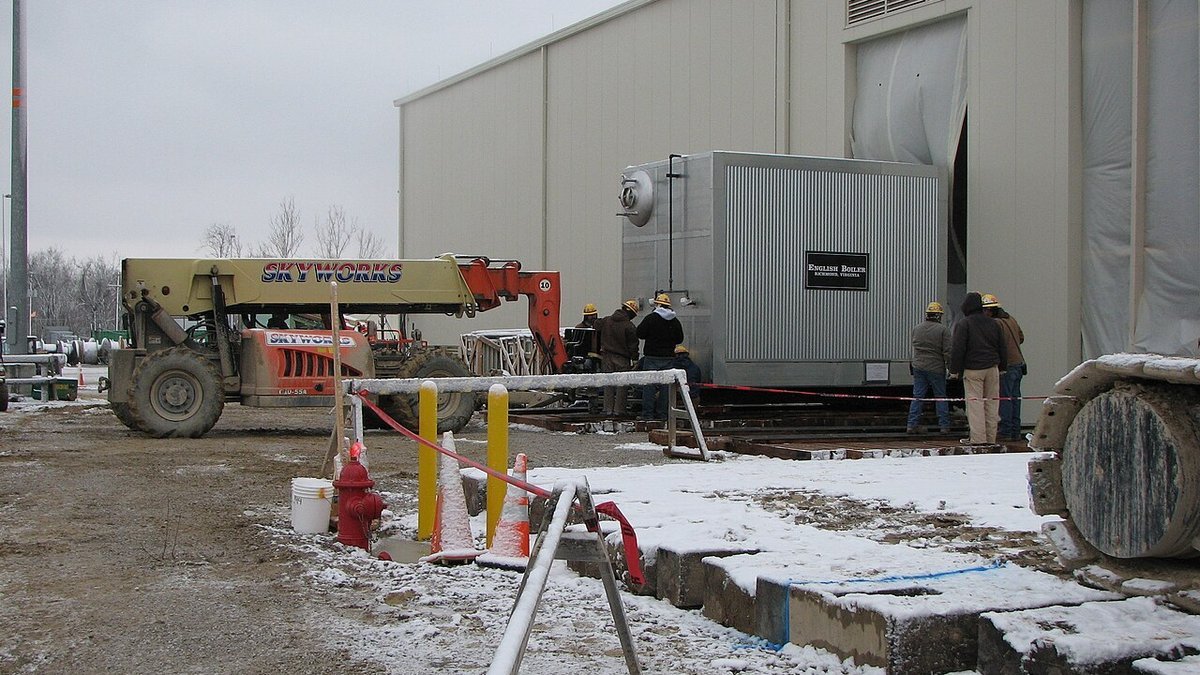
Industrial utility steam boiler room with high-pressure steam headers, valves, and water piping
Chemical application profile

Boiler Water Treatment

Steam boilers in manufacturing plants, food processors, and paper mills across Kenya face severe scale deposition, oxygen corrosion, and caustic gouging. KIKI'S supplies industrial oxygen scavengers, alkalinity builders, phosphate scale inhibitors, and descaling acids to maintain boiler efficiency and protect pressure vessels.

Target SectorsIndustrial Chemicals for Manufacturing Plants in Kenya · Food & Beverage Chemical Ingredients & CIP Sanitizers Kenya · Industrial Processing & Heavy Chemical Reagents Kenya
Packaging25kg Bags · 200L Drums · IBC Tankers · Bulk Delivery
DocumentationBatch COA, TDS & SDS Available on Request

Quick Answer — Boiler Water Treatment

For boiler water treatment applications, KIKI'S Industrial Chemicals supplies documented industrial-grade raw materials and specialty formulation chemicals. We provide consistent chemical inputs and technical documentation to commercial operators across Kenya and the East African market.

Boiler water treatment involves the precise chemical conditioning of feedwater to prevent mineral scale deposition, neutralize dissolved oxygen corrosion, and control steam condensate line acidity.

Key Facts

  • •Application: Boiler Water Treatment
  • •Commercial Supply: Industrial chemical grades with full TDS and SDS documentation
  • •Regional Distribution: Dispatched from Nairobi to production plants across Kenya and East Africa
  • •Procurement Options: Commercial bags, drums, IBC totes, and scheduled delivery agreements

Primary Use Cases

Internal scale prevention and phosphate conditioning in fire-tube steam boilersAlkalinity elevation and protective magnetite passivation of boiler drum steelOffline chemical descaling and acid cleaning of fouled heat exchanger tubesDissolved oxygen scavenging in commercial boiler feedwater feed tanks

Technical Process

Thermodynamics of Steam Generation and Boiler Corrosion

Industrial steam boilers in Kenya—whether fire-tube pack units or heavy water-tube boilers in sugar mills and breweries—operate under extreme thermodynamic stress. As feed water evaporates into steam, dissolved mineral salts concentrate rapidly inside the boiler drum, reaching saturation levels where scale precipitates on heat-transfer surfaces.

A calcium or silica scale layer of just 1.0 mm acts as a thermal insulator, increasing fuel consumption by 5% to 8% and driving boiler tube metal temperatures past structural failure limits. Simultaneously, dissolved oxygen in cold makeup water causes localized electrochemical pitting that can penetrate a 10 mm boiler tube in months. Effective boiler chemical treatment requires three coordinated chemical mechanisms: oxygen scavenging, alkalinity buffering, and internal phosphate scale conditioning.

Chemical Dosing Regimes and Condensate Protection

Alkalinity builders like Caustic Soda (NaOH) or Soda Ash buffer boiler water pH between 10.5 and 11.5, ensuring the formation of a protective magnetite (Fe3O4) passivation layer over boiler steel. Sodium sulfite or hydrazine substitutes scavenge residual dissolved oxygen. Sodium hexametaphosphate or polyacrylate dispersants react with hardness ions to form a non-adherent, fluid sludge that purges harmlessly during routine bottom blowdown.

Industrial utility steam boiler room with high-pressure steam headers, valves, and water piping

Oxygen scavengers, phosphate scale inhibitors, and condensate return neutralizing amines for industrial steam boilers in Kenya.

Standard Application Process

  1. 1

    Pre-Treatment Softening & Deaeration

    Ion exchange softening to remove calcium/magnesium, followed by thermal deaeration to vent dissolved gases.

  2. 2

    Continuous Oxygen Scavenger Dosing

    Metering sodium sulfite into the storage section of the deaerator or boiler feedwater line to eliminate residual O2.

  3. 3

    Alkalinity & pH Maintenance

    Injecting caustic soda or soda ash to maintain boiler water pH between 10.5 and 11.5 to protect boiler steel.

  4. 4

    Phosphate Scale Conditioning

    Dosing phosphate-polymer dispersants directly into the boiler drum to convert hardness into fluid sludge.

  5. 5

    Scheduled Bottom & Continuous Blowdown

    Discharging concentrated mineral sludge and maintaining total dissolved solids (TDS) within operational limits.

Recommended Chemicals for Boiler Water Treatment

Showing 1–4 of 4 catalogued products

Filter Full Catalogue (4) →
Water Treatment Chemicals
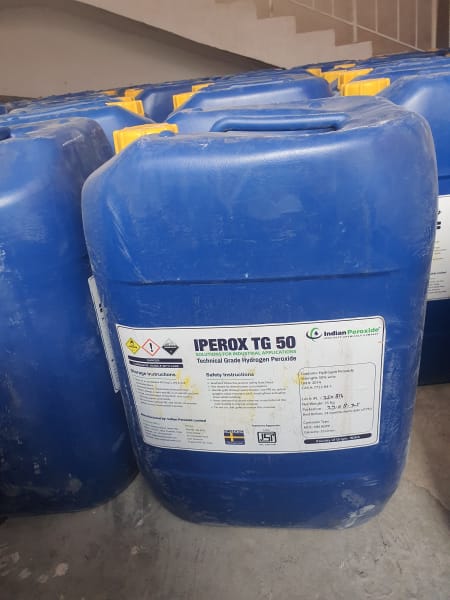
Hydrogen Peroxide 50% (Technical / Industrial Grade (Stabilized 50% w/w), Clear Liquid) in commercial industrial packaging

Hydrogen Peroxide 50% Solution (Textile Bleaching Peroxide)

Industrial-grade Hydrogen Peroxide 50% solution for textile bleaching, effluent water treatment, disinfection, and…

Used for: Textile Fiber Bleaching · Industrial Effluent Treatment · Boiler Water Treatment
25/30/250/1000Kg drums25Kg Bag (Origin: China)

CAS 7722-84-1 · Technical Grade · Liquid

View Product

Key Performance Advantages

  • ✓
    Elimination of Boiler Tube Ruptures

    Zero scale accumulation prevents metal overheating, blistering, and catastrophic tube rupture.

  • ✓
    Significant Fuel Cost Reductions

    Clean heat transfer surfaces maximize thermal efficiency, saving thousands of liters of boiler fuel.

  • ✓
    Oxygen Pitting Prevention

    Chemical scavengers neutralize dissolved oxygen before it enters high-temperature boiler zones.

  • ✓
    Regulatory Pressure Vessel Compliance

    Preserves boiler integrity, ensuring hassle-free statutory boiler safety inspections.

Key Industrial Use Cases

Steam boilers in textile dyeing and garment washing facilitiesPasteurization and sterilizing steam systems in dairy and beverage bottling plantsCooking and processing steam generators in food processing and edible oil refineriesHospitals and institutional sterilization autoclaves and central heating boilers

COMMERCIAL & TECHNICAL GUIDANCE

FAQs — Boiler Water Treatment

Technical and process guidance for boiler water treatment in Kenya and East Africa.

Boiler water should be maintained at a pH between 10.5 and 11.5. In this alkaline range, steel forms a stable, passivated magnetite film (Fe3O4) that resists acidic corrosion without causing caustic embrittlement.