Selecting Industrial Defoamers: Water-Based Emulsions, Mineral-Oil Carriers, and Polysiloxane Chemistries Compared
Comprehensive comparison of industrial foam control agents: silicone (PDMS) emulsions, mineral oil formulations, and fatty alcohol chemistries across East Africa.

Quick Answer — Selecting Industrial Defoamers: Water-Based Emulsions, Mineral-Oil Carriers, and Polysiloxane Chemistries Compared
Silicone defoamers offer powerful knockdown at low ppm but pose high risks of surface craters and recoatability failure in paints, whereas non-silicone mineral oil defoamers like Defoamer M37 provide dependable foam control without causing surface defects or fouling membranes.
Industrial defoamer comparison is the evaluation of silicone, mineral oil, and synthetic polyether chemistries against process temperature, shear, and surface defect tolerances.
Key Facts
- •Silicone PDMS defoamers have surface tension ~21 mN/m; can cause craters.
- •Non-silicone Defoamer M37 eliminates microfoam with zero cratering risk.
- •Wastewater and MBR plants mandate non-silicone to preserve DO transfer.
- •Supplied in 45 kg and 180 kg drums across East Africa by KIKI'S.
Primary Use Cases
In chemical formulation and process engineering across East Africa, foam control agents are categorized into three major chemical classes: Silicone (polydimethylsiloxane), Non-Silicone Mineral Oil compounds, and Synthetic Polyether / Fatty Alcohol chemistries. Selecting the appropriate chemistry requires matching surface tension dynamics, temperature, pH, and end-use defect tolerance.
Silicone Defoamers (Polydimethylsiloxane / PDMS)
Silicone defoamers are based on polydimethylsiloxane polymer fluids, often emulsified in water with hydrophilic surfactants:
- Advantages: Extremely low surface tension (approx 20-22 mN/m) delivers lightning-fast knockdown at ultra-low dosages (50 to 200 ppm). Effective in extreme high-temperature and broad pH (2 to 12) environments.
- Disadvantages: High risk of surface craters, pinholes, and orange peel in clear coatings and high-gloss paints. Silicones cause recoatability failure (new paint peels off old paint) and foul sensitive water filtration membranes.
Mineral Oil Non-Silicone Defoamers (e.g. Defoamer M37)
Formulated with paraffinic or naphthenic mineral oil carriers containing dispersed hydrophobic silica and polyoxyethylene/polyoxypropylene adducts:
- Advantages: Excellent compatibility in architectural emulsions, wood lacquers, paper coatings, and packaging adhesives. Completely free of cratering defects and safe for inter-coat adhesion and repainting.
- Disadvantages: Moderately higher dosage required (0.1% to 0.4%) compared to pure silicones; performance may diminish at temperatures exceeding 80°C.
Selection Matrix for Kenyan Manufacturers
Selecting the right chemical depends on the application:
- Decorative Emulsion Paints (Matt, Silk, Gloss): Non-silicone mineral oil (Defoamer M37) is mandatory to guarantee zero cratering, pinholing, or color float.
- High-Temperature Textile Jet Dyeing: Modified polyether or organo-modified silicone (polyether-siloxane copolymer) designed for 130°C stability without oil spot staining.
- Industrial Wastewater & Effluent: Non-silicone defoamers are preferred to preserve dissolved oxygen (DO) transfer rates and protect MBR membrane filtration.
KIKI'S Industrial Chemicals stocks and consults on both mineral-oil based Defoamer M37 and specialty silicone anti-foaming agents tailored to factory requirements.
Article Frequently Asked Questions
Related Categories
Related Industries
Chemicals Mentioned in This Guide
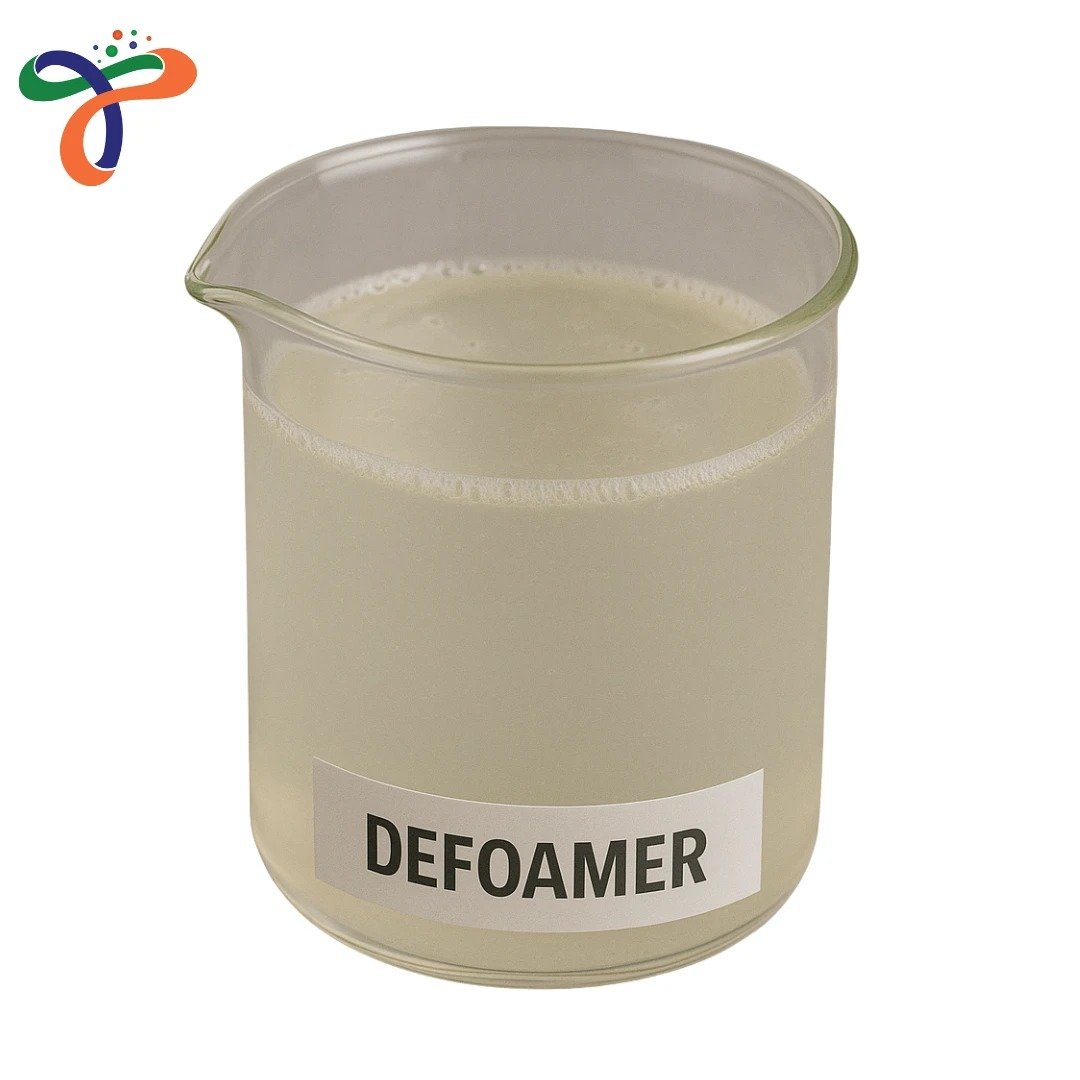
Defoamer M37 (High-Efficiency Industrial Foam-Control Agent)
High-performance Defoamer M37 (100% active foam-control agent) supplied in 45kg and 180kg plastic drums by KIKI'S…
CAS Proprietary Blend (63148-62-9 / 64742-52-5 / Silica) · Industrial Formulation Grade · Liquid

ABS/LAS 80% for Industrial Use (ABS/LAS)
ABS/LAS (80%) supplied by Kiki's Industrial Chemicals Ltd in 25kg bags across Kenya and East Africa.
Technical Grade · Powder

ATMP (50%)
ATMP (50%) supplied by Kiki's Industrial Chemicals Ltd in 200kg drum. Ideal for Water treatment chemicals.
50% · Standard Packaging

ATMP 50% for Industrial Use (ATMP)
ATMP (50%) supplied by Kiki's Industrial Chemicals Ltd in 200kg drums across Kenya and East Africa.
Technical Grade · Liquid
Related Technical Guides & Insights
View all →Quality Assurance and XRD Asbestos-Free Certification: Differentiating Industrial Mineral Fillers from Cosmetic Talc
Understand geological co-occurrence of talc and asbestos minerals: mandatory XRD and PLM testing, heavy metal limits, and industrial vs cosmetic standards in Kenya.
Industrial ChemistryTalc Powder Mesh Classifications: Comparing 300, 400, 800, and 1250 Mesh in Industrial Formulations
Technical analysis of industrial Talc Powder particle size distributions: 300 to 1250 mesh cuts, top-cut d97 metrics, oil absorption dynamics, and selection in Kenya.
Coatings & InksLamellar Particle Morphology: How Platy Talc Powder Enhances Barrier Protection and Mud-Cracking Resistance in Decorative Paints
Discover the physical mechanism of platy talc platelets in architectural and anti-corrosive paints: overlapping shingle leafing, moisture tortuosity, and mud-crack prevention.