Industrial Wastewater Aeration Basin & Biological Reactor Foam Control
Chemical application profile

Industrial Wastewater Aeration Basin & Biological Reactor Foam Control

Biological and surfactant foam suppression in wastewater aeration basins, activated sludge reactors, and Membrane Bio-Reactors (MBR).

Target SectorsIndustrial & Municipal Water Treatment Chemicals Supplier Kenya · Textile Chemicals, Dyes & Leather Processing Auxiliaries Kenya
Packaging25kg Bags · 200L Drums · IBC Tankers · Bulk Delivery
DocumentationBatch COA, TDS & SDS Available on Request

Quick Answer — Industrial Wastewater Aeration Basin & Biological Reactor Foam Control

Defoamer M37 is a non-silicone foam control agent dosed at 5 to 30 ppm to collapse surfactant and biological foam in wastewater aeration basins, preserving dissolved oxygen mass transfer rates for active biomass and protecting MBR filtration membranes from fouling.

Wastewater aeration defoaming is the continuous chemical suppression of foam in biological effluent basins to prevent overflow, biomass loss, and environmental contamination.

Key Facts

  • •Eliminates surfactant foam and biological Nocardia scum blankets.
  • •Maintains dissolved oxygen (DO) mass transfer rates into activated sludge.
  • •Completely safe for Membrane Bio-Reactors (MBR); does not blind pores.
  • •Supplied in 45 kg carboys and 180 kg drums across East Africa by KIKI'S.

Primary Use Cases

Textile wet processing and dyeing wastewater aeration tanksFood and beverage wash-water biological treatment reactorsSecondary clarifier scum blanket elimination

Technical Process

In biological effluent treatment, managing foam outbreaks requires bio-compatible chemistry:

The Causes of Aeration Tank Foaming Outbreaks

Industrial aeration basins experience two major foaming mechanisms: chemical surfactant shock loading (from textile detergents, bottle washing alkalis, or dairy sanitizers) and biological foaming (caused by filamentous Nocardia or Microthrix bacteria producing hydrophobic biosurfactants). When agitated by surface aerators or bottom fine-bubble diffusers, foam expands into stable brown blankets up to a metre deep, spilling over perimeter walkways and blowing into neighboring communities.

Preserving Dissolved Oxygen (DO) and Membrane Integrity

Standard silicone defoamers coat bubbles with an impermeable silicone monolayer that inhibits oxygen mass transfer (kLa), causing dissolved oxygen levels to crash and suffocating aerobic nitrifying bacteria. Furthermore, silicones foul Membrane Bio-Reactor (MBR) filtration modules permanently. Defoamer M37 uses water-dispersible mineral oil and polyether synergists that collapse foam without hindering oxygen dissolution, washing cleanly through filtration membranes.

Automated Proportional Dosing Strategy

Rather than intermittent manual bucket dumping, WWTP operators install automated peristaltic metering pumps injecting neat or pre-diluted Defoamer M37 (5 to 30 mL per cubic metre of influent) directly into the surface aerator plunge pool or clarifier feed weir, maintaining zero foam blankets with minimal chemical expenditure.

KIKI'S Industrial Chemicals supplies bulk Defoamer M37 alongside Ferrous Sulphate and Polyaluminium Chloride (PAC) for turnkey industrial effluent treatment programs.

Standard Application Process

  1. 1

    Foam Identification & Baseline Monitoring

    Assess whether foam is chemical surfactant or biological Nocardioform; verify baseline dissolved oxygen (DO).

  2. 2

    Automated Peristaltic Dosing

    Meter Defoamer M37 continuously at 5 to 25 ppm into aerator plunge pool or aeration basin influent channel.

  3. 3

    Foam Collapse & Clarifier Protection

    Foam blanket collapses within minutes; prevents floating sludge carryover in secondary clarifiers.

  4. 4

    DO and Membrane Verification

    Confirm DO levels remain stable (>2.0 mg/L) and MBR transmembrane pressure (TMP) remains normal.

Recommended Chemicals for Industrial Wastewater Aeration Basin & Biological Reactor Foam Control

Showing 1–1 of 1 catalogued products

Filter Full Catalogue (1) →
Paint & Coating Chemicals
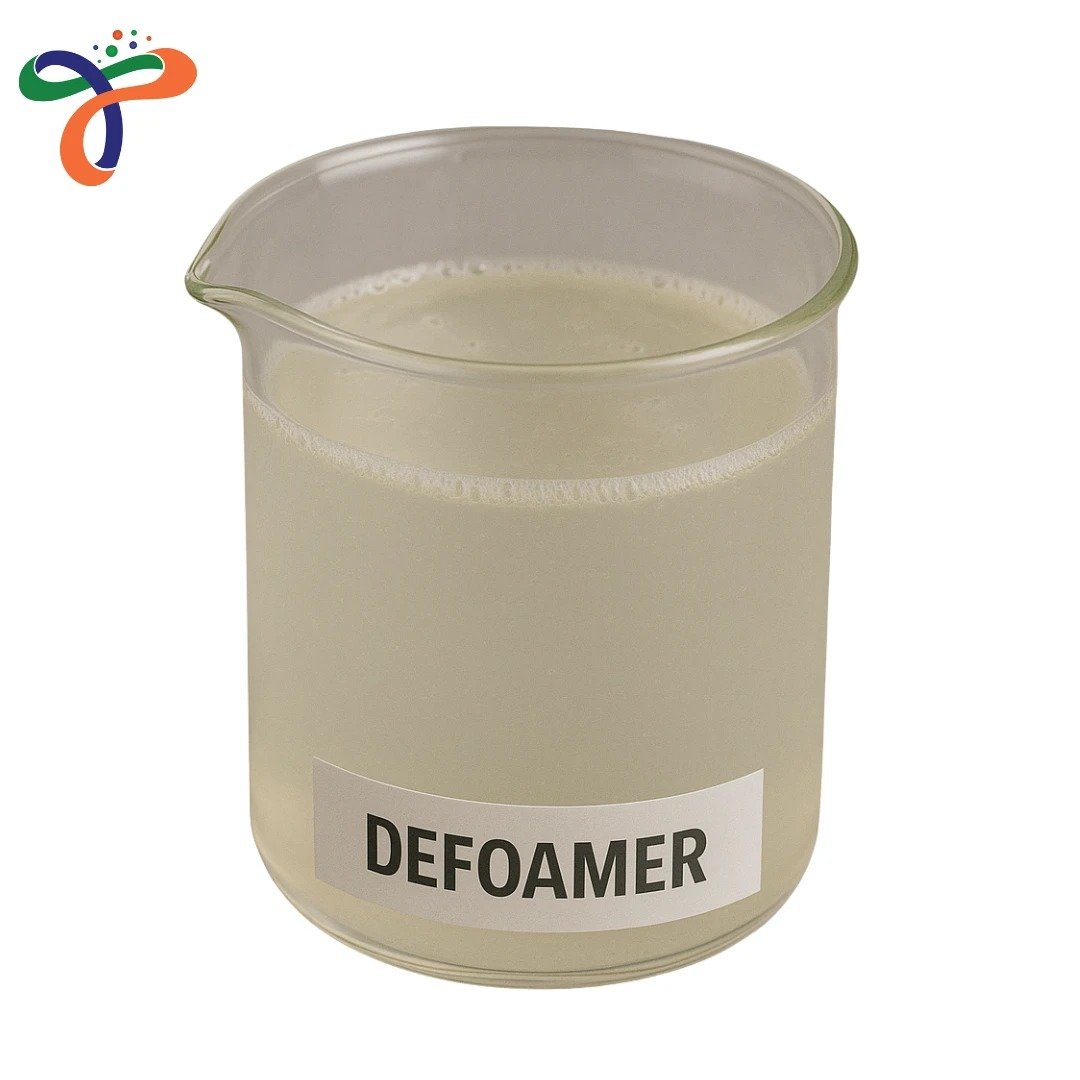
25kg carboy of Defoamer M37 foam control agent supplied by KIKI'S Industrial Chemicals Nairobi Kenya

Defoamer M37 (High-Efficiency Industrial Foam-Control Agent)

High-performance Defoamer M37 (100% active foam-control agent) supplied in 45kg and 180kg plastic drums by KIKI'S…

Used for: Water-Based Emulsion Paint Milling, Dispersion & Letdown De-aeration · Industrial Wastewater Aeration Basin & Biological Reactor Foam Control · High-Temperature Textile Jet Dyeing & Scouring Anti-Foaming
45kg Heavy-Duty HDPE Plastic Drum (Origin: India)180kg Tight-Head HDPE Drum (Origin: India)900kg UN-Approved Composite IBC Tote

CAS Proprietary Blend (63148-62-9 / 64742-52-5 / Silica) · Industrial Formulation Grade · Liquid

View Product

Key Performance Advantages

  • ✓
    Zero Interruption of Dissolved Oxygen Transfer

    Does not inhibit oxygen mass transfer from diffusers, protecting aerobic bacteria and nitrification.

  • ✓
    Safe for Membrane Bio-Reactors (MBR)

    Non-silicone chemistry washes through microfiltration membranes without causing irreversible pore blinding.

  • ✓
    Stops Basin Spills and Environmental Citations

    Eliminates dangerous foam overflow onto electrical motors, plant walkways, and local watercourses.

Key Industrial Use Cases

Textile dyehouse and garment washing effluent aeration basinsCommercial dairy, brewery, and beverage wastewater biological reactorsChemical toll manufacturing and detergent plant effluent treatmentSecondary clarifier scum blanket elimination and discharge weir protection

COMMERCIAL & TECHNICAL GUIDANCE

FAQs — Industrial Wastewater Aeration Basin & Biological Reactor Foam Control

Technical and process guidance for industrial wastewater aeration basin & biological reactor foam control in Kenya and East Africa.

Foam is triggered by synthetic detergents and surfactants, or by biological proliferation of hydrophobic filamentous bacteria like Nocardia under aeration.