Water-Based Emulsion Paint Milling, Dispersion & Letdown De-aeration
Chemical application profile

Water-Based Emulsion Paint Milling, Dispersion & Letdown De-aeration

100% active non-silicone foam control preventing vortex air entrainment during high-shear pigment milling and microfoam cratering in letdown.

Target SectorsPaints, Coatings & Resins Chemical Raw Materials Kenya · Industrial Chemicals for Manufacturing Plants in Kenya
Packaging25kg Bags · 200L Drums · IBC Tankers · Bulk Delivery
DocumentationBatch COA, TDS & SDS Available on Request

Quick Answer — Water-Based Emulsion Paint Milling, Dispersion & Letdown De-aeration

Defoamer M37 is a 100% active non-silicone defoamer dosed 50% in the pigment grind to stop vortex air entrainment and 50% in the letdown to de-aerate microfoam, ensuring full can filling density and crater-free roller application in architectural emulsion paints.

Emulsion paint defoaming is the chemical suppression of air entrainment across pigment grinding and polymer letdown phases in coatings manufacturing.

Key Facts

  • •100% active non-silicone compound containing hydrophobic silica.
  • •Split addition (50% grind / 50% letdown) eliminates both macrofoam and micro-air.
  • •Guarantees zero surface craters, fish-eyes, or inter-coat peeling.
  • •Supplied in 45 kg and 180 kg drums across East Africa by KIKI'S.

Primary Use Cases

Architectural interior and exterior emulsion paint productionWaterborne masonry coating high-speed dispersionAutomated paint can filling line de-aeration

Technical Process

In modern paint batch manufacturing, foam control requires a strategic two-stage addition sequence:

Stage 1: High-Shear Pigment Grinding (50% Addition)

Water, biocides, cellulosic thickeners (HEC), and wetting surfactants are charged into high-speed dissolvers. Defoamer M37 is dosed at 0.1% to 0.15% w/w. Pigments (TiO2, Calcium Carbonate, Talc Powder) are loaded under intense shear (tip speed 18-22 m/s). The defoamer rapidly penetrates surfactant-stabilised air pockets, collapsing the deep aeration vortex and preventing the batch from expanding and spilling over tank walls.

Stage 2: Gentle Letdown and De-aeration (50% Addition)

Once pigment dispersion passes Hegman gauge checks, the agitator speed is reduced to 3-5 m/s. Acrylic, PVA, or styrene-acrylic polymer emulsion is pumped in alongside coalescents and associative thickeners. The remaining 0.1% to 0.15% Defoamer M37 is dosed. Because it experiences gentle shear, the defoamer droplets remain active at 10 to 30 microns, accelerating micro-bubble coalescence and de-aerating the paint bulk prior to packaging.

Eliminating Surface Craters and Roller Pinholes

Unlike standard silicone defoamers that create circular surface depressions (craters and fish-eyes) if slightly over-dosed, Defoamer M37 is completely non-silicone and exhibits excellent compatibility. Applied paint dries with uniform sheen, full opacity, and zero pinholes under professional roller or airless spray application.

KIKI'S Industrial Chemicals supplies Defoamer M37 in 45 kg carboys and 180 kg heavy-duty drums, serving top architectural coatings formulators in Kenya.

Standard Application Process

  1. 1

    Grind Phase Starch & Pigment Wetting

    Dose 50% Defoamer M37 into water and wetting agents before charging pigments to suppress vortex air entrainment.

  2. 2

    High-Speed Cowles Dispersion

    Disperse at 20 m/s tip speed; defoamer prevents density drop and allows high solids milling efficiency.

  3. 3

    Letdown Polymer Incorporation

    Slow speed to 4 m/s; blend in polymer emulsion, thickeners, and remaining 50% Defoamer M37 for de-aeration.

  4. 4

    Quality Control Specific Gravity Check

    Verify wet paint density matches theoretical spec, confirming complete micro-bubble elimination before canning.

Recommended Chemicals for Water-Based Emulsion Paint Milling, Dispersion & Letdown De-aeration

Showing 1–1 of 1 catalogued products

Filter Full Catalogue (1) →
Paint & Coating Chemicals
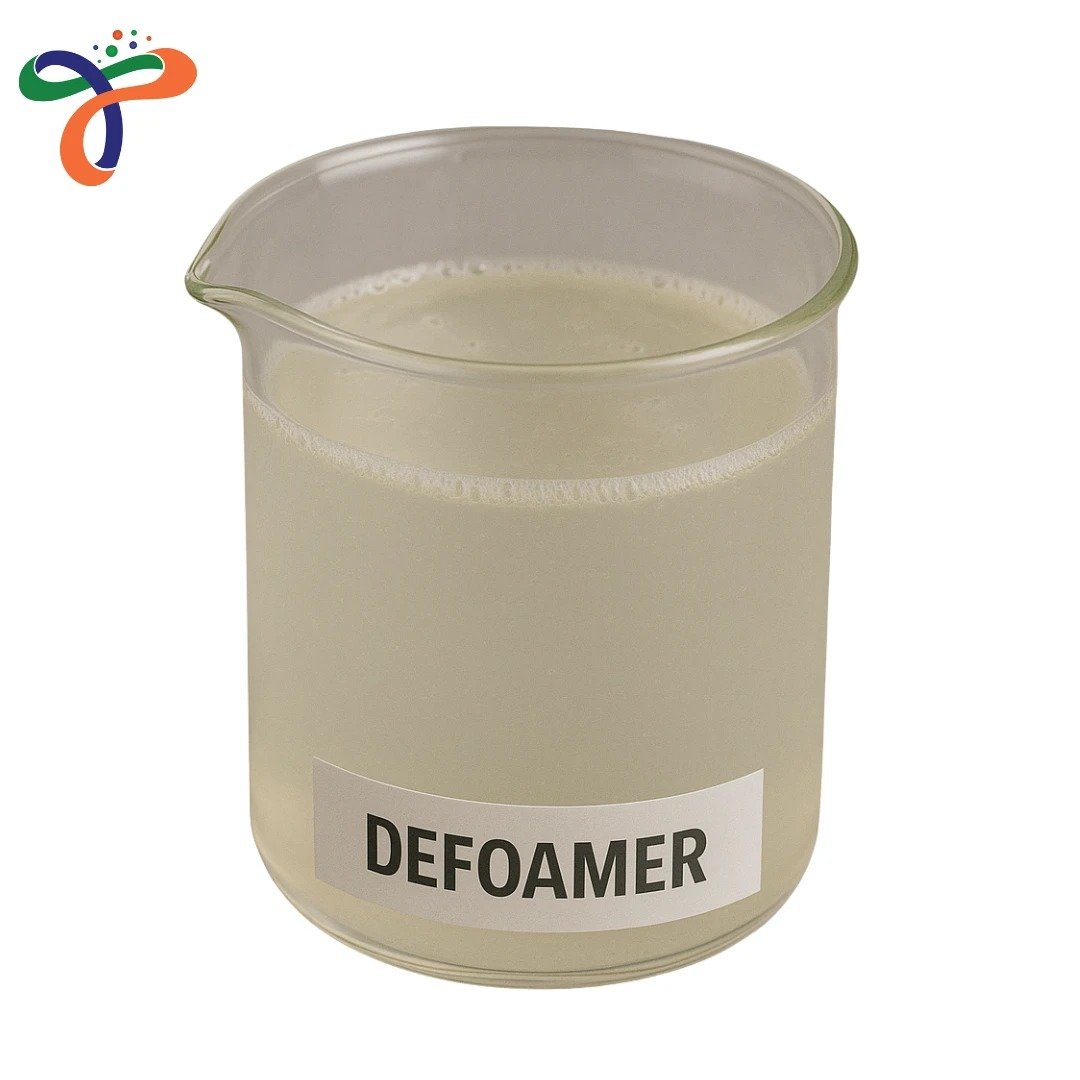
25kg carboy of Defoamer M37 foam control agent supplied by KIKI'S Industrial Chemicals Nairobi Kenya

Defoamer M37 (High-Efficiency Industrial Foam-Control Agent)

High-performance Defoamer M37 (100% active foam-control agent) supplied in 45kg and 180kg plastic drums by KIKI'S…

Used for: Water-Based Emulsion Paint Milling, Dispersion & Letdown De-aeration · Industrial Wastewater Aeration Basin & Biological Reactor Foam Control · High-Temperature Textile Jet Dyeing & Scouring Anti-Foaming
45kg Heavy-Duty HDPE Plastic Drum (Origin: India)180kg Tight-Head HDPE Drum (Origin: India)900kg UN-Approved Composite IBC Tote

CAS Proprietary Blend (63148-62-9 / 64742-52-5 / Silica) · Industrial Formulation Grade · Liquid

View Product

Key Performance Advantages

  • ✓
    Zero Cratering or Fish-Eye Defects

    Non-silicone chemistry ensures flawless surface leveling with zero recoatability or inter-coat peeling.

  • ✓
    Guaranteed Full Can Filling Density

    Eliminates entrained microfoam so paint cans fill to exact gravimetric weight without foaming over.

  • ✓
    Persistent In-Can Foam Control

    Maintains foam-suppressing efficacy throughout 24 months of in-can shelf life under tropical warehouse temperatures.

Key Industrial Use Cases

Architectural interior and exterior matt, silk, and gloss emulsion paintsStyrene-acrylic and pure acrylic exterior masonry weather-shield coatingsWaterborne acrylic wood primers and interior wall skim-coat puttiesAutomated high-speed paint filling line de-aeration

COMMERCIAL & TECHNICAL GUIDANCE

FAQs — Water-Based Emulsion Paint Milling, Dispersion & Letdown De-aeration

Technical and process guidance for water-based emulsion paint milling, dispersion & letdown de-aeration in Kenya and East Africa.

Adding 50% in the grind suppresses air entrainment during high-shear pigment milling, while adding 50% in letdown ensures active droplets remain to prevent foam during canning and roller painting.