Industrial & Extra Neutral Ethanol in Kenya: Sourcing ENA 96%, Denatured Spirit, and Pharma Grade Solvents
Source high-purity Ethanol in Kenya. Compare Extra Neutral Alcohol (ENA 96%), Denatured Spirit, and Pharma Grade for cosmetics, sanitizers, and pharma.
Quick Answer: Industrial & Extra Neutral Ethanol in Kenya: Sourcing ENA 96%, Denatured Spirit, and Pharma Grade Solvents
Industrial Ethanol (Ethyl Alcohol, C2H5OH, CAS 64-17-5) in Kenya is supplied in four primary grades: Extra Neutral Alcohol (ENA 96% v/v) for premium cosmetics, perfumery, and pharmaceuticals; Rectified Spirit (95–96% v/v) for extraction and utility solvents; Denatured Industrial Spirit (IMS) blended with denaturants (DEP, Bitrex, or IPA) to exempt it from potable excise duty for printing inks, paints, and hand sanitizers; and Absolute Anhydrous Alcohol (99.9% v/v) for moisture-sensitive chemical synthesis and laboratory analysis.
Industrial Ethanol is a volatile, flammable, clear, colorless organic solvent produced predominantly in Kenya through the yeast fermentation of sugar cane molasses along the western sugar belt, followed by multi-column fractional distillation to achieve high chemical assay and remove pungent fusel oils.
Key Facts
- •Odor Quality in Cosmetics: ENA 96% is defined by near-zero levels of volatile aldehydes (< 5 ppm) and higher alcohols (fusel oils < 10 ppm), ensuring it does not alter delicate perfume notes or leave chemical stenches in cosmetic formulations.
- •KRA Excise Regulatory Control: Under Kenya Revenue Authority (KRA Excise Duty Act), pure undenatured ethanol is heavily taxed as potable alcohol; industrial users must either use officially denatured alcohol or hold a valid KRA Commissioner's exemption/rebate license.
- •Sanitizer Formulation Standard: Under KEBS KS EAS 789:2020, instant hand sanitizers must contain a minimum of 70% v/v pure ethanol to achieve certified bactericidal and virucidal efficacy against enveloped pathogens.
- •Storage Safety: Ethanol is a Class 3 Flammable Liquid (Flash Point: 13°C–16°C). Warehouses must feature ATEX/flame-proof electrical fixtures, spark-free earthing lines, and dedicated mechanical ventilation.
In a bright cosmetic formulation laboratory along Mombasa Road in Nairobi, a cosmetic chemist dips an olfactory blotter paper into a beaker of clear solvent. She waits fifteen seconds for the initial vapor flash, then waves the strip gently beneath her nose.
Beside her, the procurement officer holds a quotation from a non-specialist trader that came in 20% cheaper than their standard supplier.
"Smell this," she says, handing him the blotter.
He takes a breath and winces. "It smells like nail polish remover and bad chang'aa."
"That is 'Rectified Spirit' distilled in a twin-column setup," she explains, setting the strip down. "It's loaded with ethyl acetate, diacetyl, and amyl alcohols—what distillers call fusel oils. If we blend our new vanilla body mist line with this, the solvent stench will completely overpower the French fragrance oils in twenty-four hours. Our brand would be dead on arrival in the beauty boutiques of Sarit Centre and Two Rivers."
She walks over to a sealed blue 200-litre UN drum bearing a tamper-evident KRA transit seal and a Certificate of Analysis labeled Extra Neutral Alcohol (ENA) 96.0% v/v.
"This is what we use. Multi-column hydro-selection, near-zero aldehydes, and completely neutral on the skin. In cosmetics and pharmaceuticals, you don't buy alcohol by the liter. You buy it by its olfactory neutrality and chromatographic purity."
---
The Ethanol Spectrum: Understanding Commercial Grades in Kenya
Not all 96% alcohol is created equal. While two drums may both show "96% ethanol" on a simple hydrometer, their chemical congener profiles can be worlds apart.
| Parameter | Extra Neutral Alcohol (ENA 96%) | Rectified Spirit (RS) (95% – 96%) | Industrial Denatured Spirit (IMS / Methylated) | Absolute Anhydrous Ethanol (99.9%) |
|---|---|---|---|---|
| Ethanol Assay | ≥ 96.0% v/v (min) | 95.0% – 96.2% v/v | 95.0% – 96.0% v/v | ≥ 99.8% – 99.9% v/v |
| Water Content | ~ 4.0% v/v | ~ 4.0% – 5.0% v/v | ~ 4.0% – 5.0% v/v | ≤ 0.2% (Karl Fischer) |
| Distillation Architecture | 4 – 6 column extractive hydro-selection system | 2 – 3 column atmospheric distillation unit | Variable industrial distillation unit | Molecular sieve / azeotropic distillation |
| Odour Profile | Exceptionally neutral, clean, zero fusel stench | Pungent, solventy, faint yeast/molasses tail | Strongly chemical, bitter (due to denaturants) | Sharp, typical clean ether-like alcohol odour |
| Higher Alcohols (Fusel Oils) | < 10 ppm | 100 – 500 ppm | Not controlled | < 20 ppm |
| Total Aldehydes | < 5 ppm | 20 – 80 ppm | Not controlled | < 10 ppm |
| KRA Excise Duty Status | High / Subject to potable tax or approved license | High / Subject to potable tax or approved license | Exempt / Concessional (approved denaturants) | Strictly controlled / laboratory / pharma exempt |
| Primary Kenyan Uses | Fine perfumes, body mists, pharma syrups, premium gin | Bulk industrial botanic extraction, rough cleaning | Flexographic inks, paints, hand sanitizers, varnishes | HPLC reagents, moisture-sensitive synthesis |
---
Manufacturing Origin: The Western Kenya Sugar Belt
The vast majority of Kenya’s domestic ethanol originates along the Nyando sugar belt and western agricultural plains (Kisumu, Muhoroni, and Kakamega).
The process begins with blackstrap cane molasses, the thick, viscous byproduct of refined sugar milling containing 45% to 50% fermentable sugars (sucrose, glucose, and fructose).
- Fermentation: Diluted molasses is inoculated with high-gravity, temperature-tolerant strains of Saccharomyces cerevisiae. Over 36 to 48 hours, the yeast metabolizes sugars into ethanol and carbon dioxide:
- C6H12O6 —[Yeast Fermentation]→ 2 C2H5OH + 2 CO2 ↑ + Heat
- Primary Distillation (The Stripper Column): Yields raw fermented wash ("beer") at 8% to 10% alcohol. The stripper column separates bulk alcohol from heavy vinasse/slops, yielding crude alcohol at 40%–50%.
- The Rectifier Column: Concentrates the alcohol to its azeotropic limit—approximately 95.6% ethanol and 4.4% water by weight. At this composition, boiling vapor has the exact same ratio as liquid, meaning conventional distillation cannot purify it further.
- The Hydro-Selection / Demethylizing Column (ENA Purification): This is where cheap Rectified Spirit separates from premium Extra Neutral Alcohol. Superheated dilution water is pumped into a specialized extraction column to alter the relative volatilities of impurities. Low-boiling aldehydes (acetaldehyde) and pungent esters are stripped overhead, while high-boiling fusel oils (isoamyl alcohol, isobutyl alcohol, propanol) are drained from side draws. The result is ENA 96%—pristine, neutral, and water-clear.
In our technical supply operations at Kiki's Industrial Chemicals, we supply cosmetic and personal care formulators along Mombasa Road and Baba Dogo with certified 96% ENA, conducting organoleptic testing on every batch to ensure zero residual aldehydes before delivery.
---
The Regulatory Landscape: KRA Excise Duty & Denaturing Rules
Industrial chemical buyers in Kenya must navigate the stringent compliance framework established by the Kenya Revenue Authority (KRA) under the Excise Duty Act (2015).
Because pure 96% ethanol can theoretically be diverted to formulate illicit potable spirits, KRA maintains strict surveillance over its distribution:
1. Pure Undenatured Alcohol (ENA 96% / Pharma Grade)
- Subject to heavy excise duty per liter unless the purchasing factory possesses an Approved Industrial User License / Commissioner's Remission Scheme.
- Transport requires KRA Electronic Cargo Tracking Seals (ECTS) and pre-approved transit permits from distillery to factory premises.
- Factories must maintain dedicated bonded solvent stores with volumetric metering and joint-custody padlocks.
2. Specially Denatured Alcohol (SDA / IMS)
To allow manufacturers of printing inks, paint thinners, cosmetics, and sanitizers to purchase alcohol free of excise duty, the ethanol must be rendered completely undrinkable through the addition of approved denaturants.
Common official denaturing formulations used across Kenya include:
- For Cosmetics & Personal Care: Ethanol 96% denatured with 0.1% Diethyl Phthalate (DEP) and/or trace Denatonium Benzoate (Bitrex). Bitrex is the most intensely bitter substance known to science, rendering even a sip completely unpalatable without altering cosmetic fragrance properties.
- For Surface Sanitizers & Antiseptics: Ethanol 96% denatured with 5% Isopropyl Alcohol (IPA) or 0.5% Tertiary Butyl Alcohol (TBA).
- For Printing Inks & Industrial Paints: Ethanol denatured with Methanol (Wood Naphtha) or Methyl Ethyl Ketone (MEK).
---
Key Industrial Applications Across Kenya
1. Cosmetics, Perfumes & Fragrance Mists
- Why ENA 96% is non-negotiable: Fine fragrances are formulated with delicate essential oils and synthetic aroma chemicals. Any trace fusel oils or aldehydes in the alcohol will chemically react with perfume notes, oxidizing terpenes and creating rancid off-notes.
- Skin Feel: ENA 96% evaporates smoothly and cleanly off the skin without the tacky, drying, or irritating residue associated with lower-grade industrial alcohols.
2. Pharmaceutical Tinctures, Syrups & Medical Disinfection
- Pharma Grade BP/USP: Must comply with British Pharmacopoeia monographs, guaranteeing non-volatile residues < 25 ppm, benzene < 2 ppm, and total heavy metals < 0.1 ppm.
- Active Carrier: Serves as a primary solvent for water-insoluble botanical extracts, oral cough syrups, and pharmaceutical film coatings.
3. Instant Hand Sanitizers (KEBS KS EAS 789:2020 Compliance)
- Following regional East African Standards, commercial hand sanitizer formulations must maintain a minimum alcohol concentration of 70.0% v/v.
- The WHO Formulation Model:
- * Ethanol 96% v/v: 833.3 mL per 1,000 mL finished product (delivers 80% v/v active ethanol).
- * Hydrogen Peroxide 3%: 41.7 mL (inactivates bacterial spores in the container).
- * Glycerol 98%: 14.5 mL (acts as a humectant to prevent skin drying).
- * Sterile deionized water: Made up to 1,000 mL.
4. Flexographic Printing Inks for Packaging
- Flexible packaging plants in Industrial Area and Ruaraka rely on denatured industrial ethanol as a rapid-evaporation carrier for nitrocellulose and polyamide printing inks on polyethylene shopping bags and food wrappers.
---
Storage, Safety & Fire Hazard Control
Industrial Ethanol is classified as a Class 3 Flammable Liquid with a Flash Point of approximately 13°C to 16°C and explosive limits in air between 3.3% and 19.0% by volume.
- Warehouse Earthing: Pumping ethanol creates static electrical charges. Every metal storage drum, tank, and transfer line must be bonded and grounded to earth dissipation rods (R < 10 Ω) before opening bungs or transferring fluid.
- Vapor Control: Because ethanol vapor is heavier than air (d = 1.59 relative to air), leaked vapors pool along warehouse floor trenches and corners. Stores require continuous low-level flame-proof mechanical extraction fans.
- Drum Integrity: Store drums out of direct sunlight in well-ventilated, shaded bays. In Nairobi’s hotter months, solar thermal gain expands liquid alcohol inside sealed 200L drums, causing drum heads to crown and potentially rupturing bungs.
---
Technical Specifications: Extra Neutral Alcohol (ENA 96%)
| Quality Parameter | Test Method | Commercial Specification |
|---|---|---|
| Ethanol Content (% v/v at 20°C) | Pycnometer / Hydrometer | ≥ 96.0% v/v min |
| Specific Gravity (at 20°C/20°C) | ASTM D4052 | 0.8060 – 0.8080 |
| Visual Appearance | Visual Inspection | Clear, colorless, bright liquid; free of suspended matter |
| Odour Character | Sensory Olfactory Panel | Neutral, clean, characteristic; zero foreign fusel notes |
| Miscibility with Distilled Water | 1:19 v/v Dilution | Clear and bright; zero opalescence or turbidity |
| Total Acidity (as Acetic Acid) | Acid-Base Titration | ≤ 10 mg/L (10 ppm max) |
| Total Aldehydes (as Acetaldehyde) | Spectrophotometric | ≤ 5 mg/L (5 ppm max) |
| Higher Alcohols (Fusel Oils) | Gas Chromatography | ≤ 10 mg/L (10 ppm max) |
| Esters (as Ethyl Acetate) | GC Assay | ≤ 15 mg/L (15 ppm max) |
| Methanol Content | GC-FID | ≤ 10 mg/L (10 ppm max) |
| Non-Volatile Residue | Evaporation at 105°C | ≤ 15 mg/L (15 ppm max) |
| Permanganate Time (at 15°C) | Barbet Oxidation Test | ≥ 35 minutes (indicates ultra-low oxidizable impurities) |
---
Technical Verification & Procurement Protocols
When ordering bulk industrial ethanol consignments in Kenya, quality control officers should verify:
- Packaging: 20-litre HDPE carboys, 200-litre UN-rated blue polyethylene drums, and 1,000-litre composite IBC totes. All containers feature tamper-evident seal bungs.
- Compliance Handling: Full support with KRA documentation, electronic movement permits, and approved official denaturing certificates.
- Quality Verification: Every batch is backed by an authoritative Certificate of Analysis verifying alcohol strength (% v/v), gas chromatography congener profile, and Barbet permanganate time.
- Logistics: Secure, bonded dangerous goods transport from Nairobi Industrial Area directly to your factory store.
Back in the cosmetics lab along Mombasa Road, the chemist measures 150 liters of fresh ENA 96% into her stainless steel mixing tank. She introduces the French fragrance blend and turns on the gentle paddle mixer. The room fills with the rich, clean aroma of pure bourbon vanilla and jasmine—without a trace of harshness.
"That," she says to her procurement officer, "is what a premium brand smells like."
---
Need certified Extra Neutral Alcohol (ENA 96%), Denatured Industrial Ethanol, or Pharma Grade Solvents for your production line? Contact the technical solvents desk at Kiki's Industrial Chemicals for regulatory guidance and bulk quotations.
Article Frequently Asked Questions
Chemicals Mentioned in This Guide

Citric Acid Monohydrate (FCC Grade)
Food Chemicals Codex (FCC) certified food-grade citric acid monohydrate for soft drink acidulation, food preservation…
CAS 5949-29-1 · Food Grade · Crystal
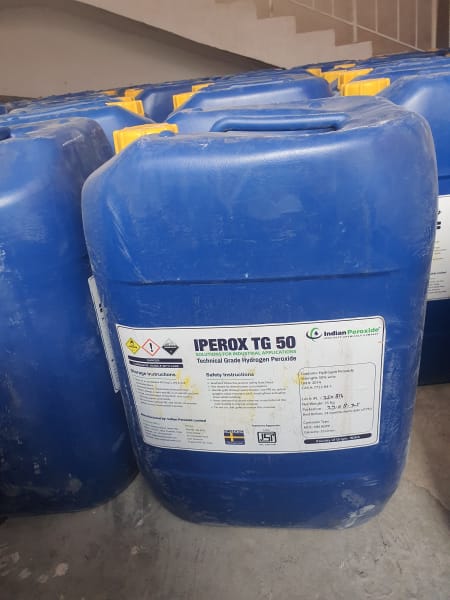
Hydrogen Peroxide 50%
Industrial-grade Hydrogen Peroxide 50% solution for textile bleaching, effluent water treatment, disinfection, and…
CAS 7722-84-1 · Technical Grade · Liquid
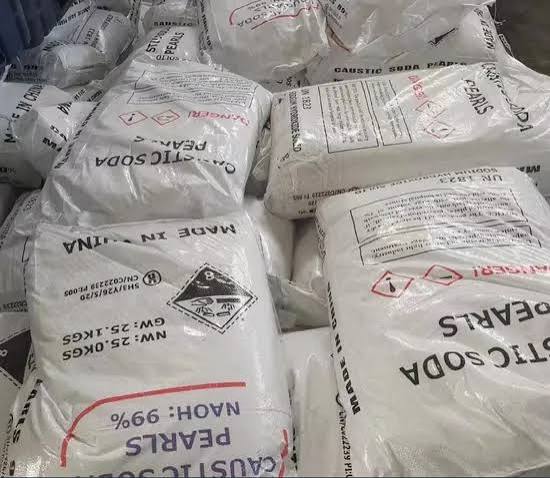
Caustic Soda Flakes /Pearls
Caustic Soda Flakes /Pearls (98.5/99% min) supplied by Kiki's Industrial Chemicals Ltd in 25kg bag. Ideal for Pulp &…
CAS 1310-73-2 · 98.5/99% min · Standard Packaging
Related Technical Guides & Insights
View all →Food-Grade BHA in Kenya: The Science of Halting Rancidity in Edible Oils, Fats & Packaged Snacks
Source certified Food-Grade BHA (E320) in Kenya. Prevent rancidity, peroxide spikes, and lipid oxidation in edible oils, frying fats, and commercial bakery.
Food & Beverage IngredientsDextrose Monohydrate in Kenya: The Science of Sweetness, Fermentation, and Pharma Grade Sourcing
Source premium Dextrose Monohydrate in Kenya. Compare food grade vs pharma BP/USP grades for bakery browning, beverage sweetness, and oral rehydration salts.
Coatings & Construction ChemicalsPigment Extenders & Paint Raw Materials: Why Formulators In Athi River Stop Overspending On Titanium Dioxide
Optimize paint formulations and cut raw material costs in Kenya. Master pigment extenders—Calcium Carbonate, Talc, Kaolin, and Barytes—to maximize TiO2 opacity.