Ferrous Sulphate for Iron Chlorosis: Diagnosing and Correcting Iron Deficiency in Crops
Agronomic field guide for Kenyan growers on identifying interveinal iron chlorosis in high-value crops (roses, avocados, tea, macadamia) and applying Ferrous Sulphate Heptahydrate via foliar spray and soil drenches.
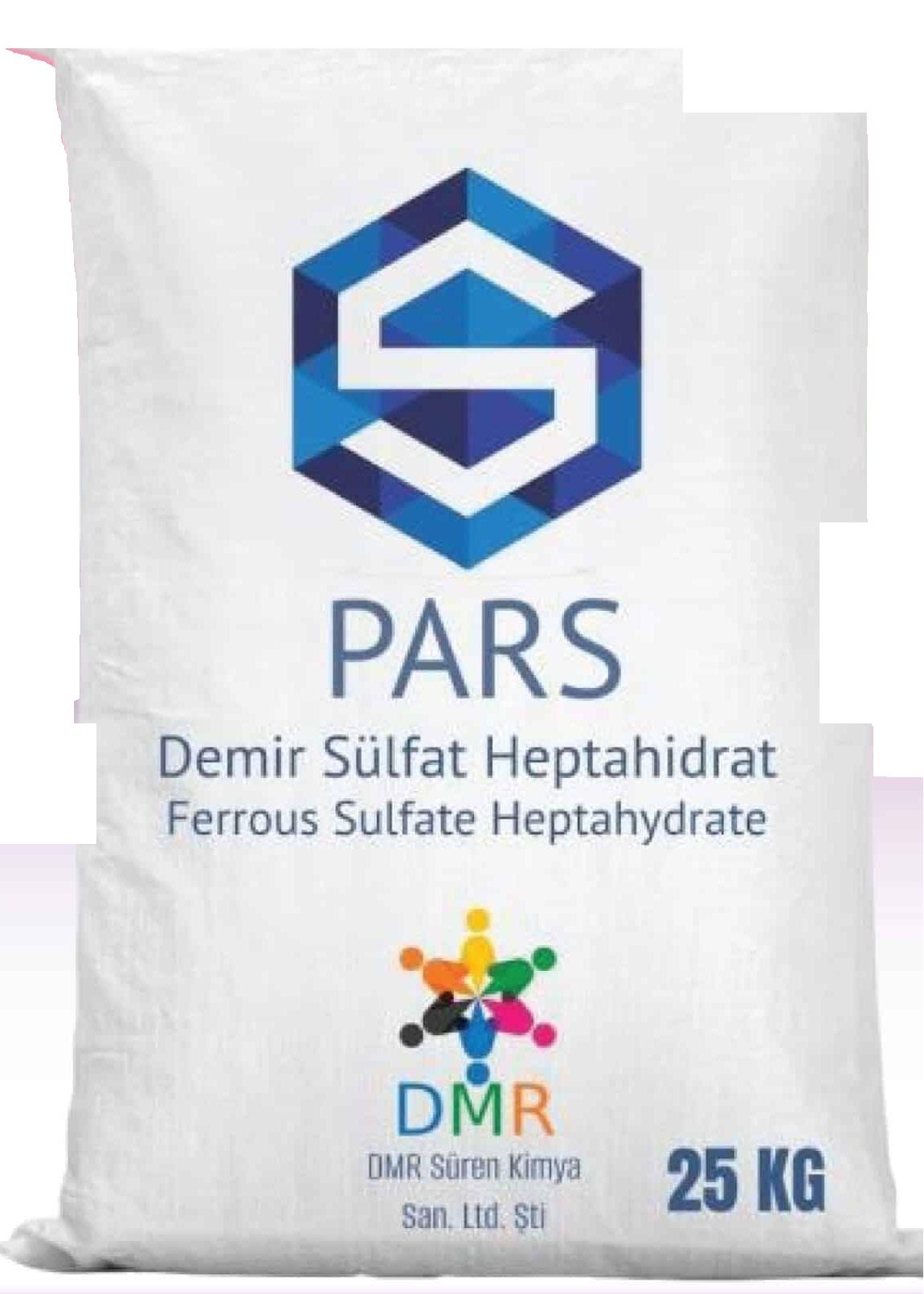
Quick Answer — Ferrous Sulphate for Iron Chlorosis: Diagnosing and Correcting Iron Deficiency in Crops
Iron chlorosis is diagnosed by distinctive interveinal yellowing on the youngest terminal leaves while leaf veins remain distinctly dark green. In severe deficiencies, new leaves emerge bleached white or ivory, followed by leaf necrosis and stunted fruit/flower production. Ferrous Sulphate Heptahydrate corrects iron chlorosis by supplying direct bioavailable bivalent iron (Fe²⁺). For rapid curative correction, a 0.5% to 1.0% foliar spray (500 g to 1,000 g per 100 L of water with an agricultural wetting agent) restores active chlorophyll synthesis within 5 to 10 days. For soil application, 50 to 200 g per tree or 20 to 50 g/m² incorporated into the root zone with organic mulch provides sustained root uptake.
Iron chlorosis is a physiological micronutrient disorder caused by impaired iron uptake in high-pH or calcareous soils, leading to defective chlorophyll biosynthesis in young plant foliage.
Key Facts
- •Visual Diagnosis: Interveinal chlorosis on the youngest emerging leaves (veins remain green)
- •Physiological Role: Iron is essential for chlorophyll biosynthesis, ferredoxin, and cytochromes
- •Foliar Spray Rate: 0.5% to 1.0% solution (500 g – 1 kg per 100 L of water) with non-ionic surfactant
- •Soil Application Rate: 100–250 g per tree for mature fruit trees (avocados, citrus)
- •Kenyan Target Crops: Cut roses (Naivasha, Nakuru), Hass avocados (Murang'a, Meru), tea (Kericho)
Primary Use Cases
Iron is an indispensable micronutrient for plant metabolism. Although plants require iron in micro quantities relative to nitrogen or potassium, it is an essential structural cofactor in hemoproteins (cytochromes, catalase, peroxidase) and non-heme iron-sulphur proteins (ferredoxin) that drive photosynthetic electron transport, respiration, and chlorophyll biosynthesis. When iron uptake is restricted, plants develop iron deficiency chlorosis (IDC), severely depressing vegetative vigor, flower quality, and fruit yield.
Diagnosing Iron Chlorosis in Kenyan Cash Crops
Because iron is chemically immobile within plant phloem vascular tissues, plants cannot re-translocate iron from older mature leaves to support new growth. Consequently, iron chlorosis symptoms always appear first on the youngest terminal flush leaves:
- Initial Stage: Interveinal chlorosis where leaf tissue between veins turns pale yellow-green while veins remain sharply dark green.
- Advanced Stage: The entire leaf blade turns pale yellow, ivory, or translucent white as chlorophyll completely breaks down.
- Severe Necrosis: Leaf margins scorch and turn brown, new shoots die back, flower buds abort, and fruit yield is sharply curtailed.
Why Iron Chlorosis Occurs in Kenyan Soils
In Kenya, total soil iron is rarely deficient; rather, soil chemical conditions lock iron into insoluble, unabsorbable mineral forms. Common triggers include:
- High Soil pH & Free Bicarbonate: Calcareous volcanic soils in the Rift Valley (Naivasha, Nakuru, Gilgil, Baringo) with pH > 7.5 contain bicarbonate ions (HCO₃⁻) that neutralize root acid exudates, precipitating Fe²⁺ as insoluble ferric hydroxide.
- Compacted or Waterlogged Soils: Poor drainage restricts root respiration and oxygen supply, inhibiting the active enzymatic reduction of ferric to ferrous iron required for root cell membrane uptake.
- Excessive Soil Phosphorus: High application of phosphatic fertilizers (DAP/TSP) precipitates iron in the soil as insoluble iron phosphate.
Application Methods and Verified Field Rates
Kenyan commercial growers utilize two proven delivery methods for Ferrous Sulphate Heptahydrate 98% Min:
1. Rapid Curative Foliar Spray
Foliar application bypasses compromised root systems, delivering Fe²⁺ directly through leaf stomata into photosynthetic mesophyll cells:
- Spray Concentration: Dissolve 500 g to 1,000 g of Ferrous Sulphate Heptahydrate per 100 liters of water (0.5% to 1.0% w/v solution).
- Surfactant Inclusion: Always add a non-ionic agricultural wetting agent (0.05%–0.1% v/v) to ensure uniform droplet spreading and prevent droplet pooling that can cause localized leaf scorch.
- Spray Timing: Apply in early morning (before 8:30 AM) or late afternoon to allow extended droplet drying time and prevent solar leaf burn. Visible green-up typically occurs within 5 to 7 days.
2. Soil Drench and Rhizosphere Banding
- Orchard Fruit Trees (Avocados, Citrus, Macadamia): Broadcast 100 g to 250 g per tree beneath the outer canopy drip line. Incorporate into the top 5 cm of soil and follow with deep irrigation.
- Flower Beds & Vegetables: Broadcast 20 g to 50 g per square meter, blended with decomposed farmyard manure or organic compost to maintain iron in a reduced, complexed state.
KIKI'S Industrial Chemicals supplies certified Ferrous Sulphate Heptahydrate 98% Min in heavy-duty 50 kg woven polypropylene bags (Net Wt 50.000 kg, Kaiser Exports India, Lot VP/KE/26/27/05) with same-day Nairobi collection and rapid freight delivery to agricultural centers nationwide.
Article Frequently Asked Questions
Related Categories
Related Industries
Related Applications
Chemicals Mentioned in This Guide
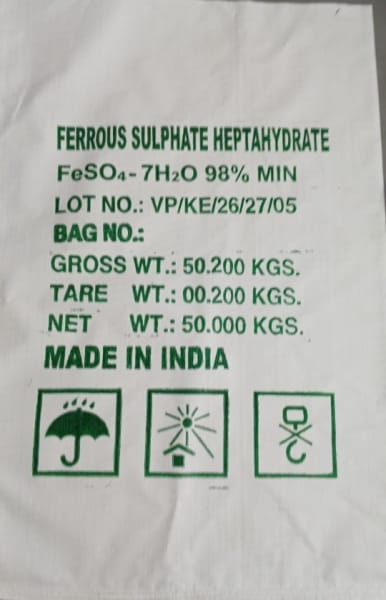
Ferrous Sulfate Heptahydrate 98% Min
Ferrous Sulphate Heptahydrate 98% Min (FeSO₄·7H₂O, CAS 7782-63-0) is an industrial-grade iron(II) salt supplied in 50…
CAS 7782-63-0 · Industrial Grade · Crystal

Ferrous sulphate monohydrate Fe: 30%min 25kg bags Technical Grade for Industrial & Commercial Use (Ferrous sulphate monohydrate Fe: 30%min 25kg bags)
Ferrous sulphate monohydrate Fe: 30%min 25kg bags (Technical Grade) supplied by Kiki's Industrial Chemicals Ltd in 25kg…
Technical Grade · Powder

ABS/LAS 80% for Industrial Use (ABS/LAS)
ABS/LAS (80%) supplied by Kiki's Industrial Chemicals Ltd in 25kg bags across Kenya and East Africa.
Technical Grade · Powder

ATMP (50%)
ATMP (50%) supplied by Kiki's Industrial Chemicals Ltd in 200kg drum. Ideal for Water treatment chemicals.
50% · Standard Packaging
Related Technical Guides & Insights
View all →Ferrous Sulphate Uses: 50 Applications and Where They Make Commercial Sense
Comprehensive industrial reference categorizing 50 applications of Ferrous Sulphate Heptahydrate across water treatment, agriculture, cement manufacturing, chemical synthesis, and metallurgy in East Africa.
Guides & How-TosFerrous Sulphate Heptahydrate 98%: What Buyers in Kenya Need to Know Before Ordering
A comprehensive procurement guide for industrial chemical buyers in Kenya. Understand the difference between 98% compound purity and elemental iron, packaging standards, COA parameters, and regional sourcing options.