Solvent Extraction of Soybean, Sunflower, and Canola Oils: Hexane Desolventising and Residue Limits
Step-by-step engineering analysis of continuous counter-current hexane extraction in oilseed processing: flake preparation, miscella distillation, and meal desolventising.

Quick Answer — Solvent Extraction of Soybean, Sunflower, and Canola Oils: Hexane Desolventising and Residue Limits
Hexane solvent extraction recovers over 99% of vegetable oil from prepared oilseed flakes via counter-current washing, producing miscella that is vacuum-stripped to leave less than 1 ppm residual solvent in refined oil, while the meal is toasted in a DTDC tower for animal feed.
Solvent extraction in oilseed processing is the solid-liquid separation technique using non-polar hexane to dissolve neutral triglycerides from prepared seeds.
Key Facts
- •Reduces residual meal oil from 8% down to less than 1.0%.
- •Miscella contains 25% to 30% oil before falling film distillation.
- •Refined cooking oil residual hexane strictly capped at < 1.0 ppm.
- •Supplied to leading edible oil crushers in Kenya by KIKI'S.
Primary Use Cases
In East Africa's edible oil refining sector (processing sunflower, soybean, canola, and cottonseed in Nakuru, Nairobi, and Jinja), mechanical expeller pressing leaves 6% to 10% residual oil trapped within the press cake. Continuous solvent extraction using commercial n-hexane extracts over 99% of available lipids, reducing residual meal oil to under 1.0%.
The Extraction Cycle: Flaking, Percolation, and Miscella
Efficient solvent extraction relies on meticulous seed preparation and counter-current fluid mechanics:
- Conditioning and Flaking: Cleaned seeds are cracked, heated to 60°C, and passed through smooth flaking rolls to create thin flakes (0.25 mm to 0.35 mm thick). Flaking ruptures cellular membranes, creating short diffusion pathways for the solvent.
- Counter-Current Extraction: In rotary or belt extractors, fresh hexane washes the most exhausted meal, while concentrated miscella (hexane-oil mixture, 25% to 30% oil) percolates through incoming fresh flakes.
- Miscella Evaporation: The liquid miscella is pumped through multi-stage falling film evaporators and a final vacuum stripping column where direct steam strips volatile hexane, yielding crude degummed vegetable oil.
Desolventiser-Toaster (DT) Operation and Meal Quality
Hexane-laden wet meal leaving the extractor contains approximately 30% solvent by weight. This meal enters the Desolventiser-Toaster (DTDC):
- Indirect and Direct Steam Heating: Trays heated by steam evaporate volatile hexane. Direct sparge steam condenses into the meal, raising its moisture to 18-20% and driving out residual hydrocarbon traces.
- Anti-Nutritional Factor Inactivation: In soybean processing, thermal toasting deactivates urease enzymes and trypsin inhibitors, rendering soybean meal digestible and safe for commercial livestock feed millers.
Residue Standards and Food Safety Compliance
Regulatory standards harmonised under KeBS and Codex Alimentarius mandate that refined edible vegetable oils contain less than 1.0 mg/kg (1 ppm) residual hexane. Properly calibrated solvent recovery systems routinely achieve residues below 0.1 ppm.
KIKI'S supplies oil millers with technical extraction grade n-Hexane possessing verified low boiling limits (<70°C) and non-volatile residues under 10 ppm, ensuring zero off-odours in refined oil.
Article Frequently Asked Questions
Related Categories
Related Industries
Related Applications
Chemicals Mentioned in This Guide
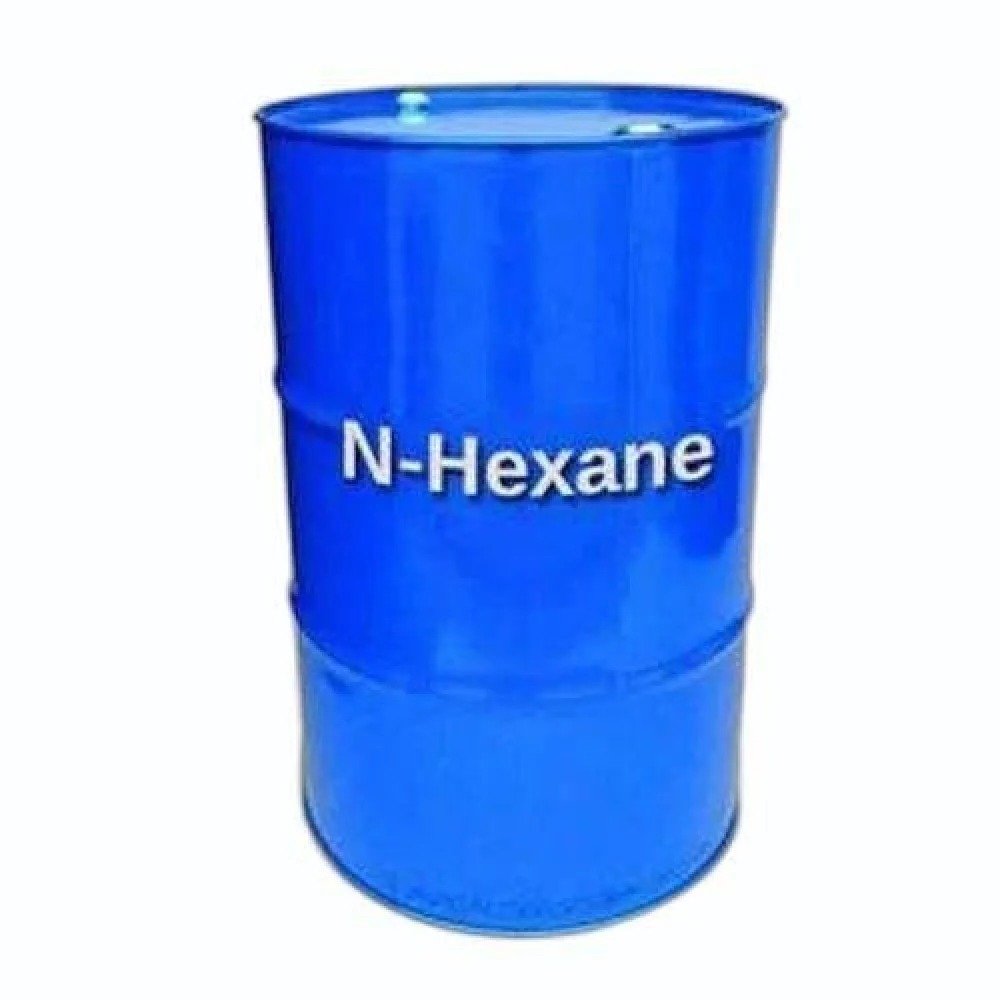
n-Hexane Commercial Grade (Aliphatic Extraction Solvent)
Commercial n-Hexane (CAS 110-54-3, UN 1208) supplied in 154kg and 160kg steel drums by KIKI'S Industrial Chemicals for…
CAS 110-54-3 · Industrial Extraction Grade · Liquid

ABS/LAS 80% for Industrial Use (ABS/LAS)
ABS/LAS (80%) supplied by Kiki's Industrial Chemicals Ltd in 25kg bags across Kenya and East Africa.
Technical Grade · Powder

ATMP (50%)
ATMP (50%) supplied by Kiki's Industrial Chemicals Ltd in 200kg drum. Ideal for Water treatment chemicals.
50% · Standard Packaging

ATMP 50% for Industrial Use (ATMP)
ATMP (50%) supplied by Kiki's Industrial Chemicals Ltd in 200kg drums across Kenya and East Africa.
Technical Grade · Liquid
Related Technical Guides & Insights
View all →Aeration Basin Foam Control: Non-Silicone Defoamers in Industrial Effluent and Textile Wastewater Treatment
Combat biological and surfactant foaming in industrial wastewater aeration basins: non-silicone defoamers, DO transfer protection, and textile effluent management in Kenya.
Industrial ChemistryFormulating Contact and Polyurethane Adhesives: Ethyl Acetate Solvation Power and Open Time Control
Explore the polymer solvation mechanics of Ethyl Acetate in polychloroprene (neoprene) and polyurethane footwear, upholstery, and woodworking contact adhesives.
Coatings & InksSolvent Balance in Rotogravure and Flexographic Packaging Inks: Viscosity, Drying Speed, and Substrate Wetting
Learn how packaging ink formulators and press operators balance Ethyl Acetate with ethanol and retarders to achieve pinhole-free ink transfer on polyethylene and BOPP films.