Aeration Basin Foam Control: Non-Silicone Defoamers in Industrial Effluent and Textile Wastewater Treatment
Combat biological and surfactant foaming in industrial wastewater aeration basins: non-silicone defoamers, DO transfer protection, and textile effluent management in Kenya.

Quick Answer — Aeration Basin Foam Control: Non-Silicone Defoamers in Industrial Effluent and Textile Wastewater Treatment
In industrial wastewater treatment plants, non-silicone defoamers like Defoamer M37 suppress surfactant and filamentous bacterial foam in aeration basins at 5-30 ppm without coating air bubbles or reducing dissolved oxygen (DO) transfer rates, and without fouling MBR membranes.
Wastewater defoaming is the chemical suppression of foam in industrial effluent aeration basins to prevent tank overflow, biomass loss, and environmental contamination.
Key Facts
- •Eliminates surfactant foam and biological Nocardia scum blankets.
- •Maintains dissolved oxygen (DO) mass transfer rates into activated sludge.
- •Completely safe for Membrane Bio-Reactors (MBR); does not foul pores.
- •Supplied in 45 kg carboys and 180 kg drums across East Africa by KIKI'S.
Primary Use Cases
In industrial wastewater treatment plants (WWTP) serving textile dyeing mills, food and beverage factories, chemical formulation plants, and tannery corridors across Kenya (Ruaraka, Athi River, Thika, and Kisumu), aeration basins are vulnerable to severe foam outbreaks. Surfactant-laden effluent agitated by mechanical surface aerators or bottom diffusers generates massive foam blankets that spill over basin walls, carry off active biomass, and trigger environmental regulatory penalties.
Chemical vs Biological Foaming in Aeration Tanks
Wastewater plant managers face two distinct foam triggers:
- Chemical / Surfactant Foam: White, light, soapy foam caused by residual synthetic detergents, wetting agents, and scouring auxiliaries in textile and food wash waters during plant startup or shock loading.
- Biological / Nocardioform Foam: Thick, viscous, tan-to-brown foam caused by hydrophobic filamentous bacteria (such as Nocardia, Gordonia, and Microthrix parvicella). These organisms produce biosurfactants that trap air and sludge solids, creating stable surface scums up to a metre deep.
Why Non-Silicone Mineral Oil Emulsions Excel in WWTP
Choosing the correct defoamer chemistry for wastewater requires evaluating biological safety and physical transfer:
- Preserving Dissolved Oxygen (DO) Transfer: Standard silicone oils can form an impermeable monolayer on the water surface, inhibiting oxygen mass transfer (kLa) from air diffusers into the liquid and starving aerobic bacteria. Non-silicone defoamers like Defoamer M37 break foam without hindering oxygen dissolution.
- Zero Membrane Bio-Reactor (MBR) Fouling: Silicone defoamers foul microfiltration and ultrafiltration membranes irreversibly, whereas water-dispersible fatty/mineral oil formulations wash cleanly through membranes without blinding pores.
- Biodegradability and Non-Toxicity: Defoamer M37 components are non-toxic to activated sludge microbes and degrade biologically without raising effluent Chemical Oxygen Demand (COD) significantly.
Dosing Protocols in Industrial Effluent Facilities
Rather than manual bucket dumping during foam emergencies, best practice installs automated peristaltic metering pumps dosing neat or pre-diluted Defoamer M37 continuously (5 to 30 ppm based on influent flow) right at the aeration basin inlet or aerator plunge zone.
KIKI'S Industrial Chemicals supplies bulk Defoamer M37 alongside Ferrous Sulphate and Polyaluminium Chloride (PAC) for integrated industrial wastewater treatment programs.
Article Frequently Asked Questions
Related Categories
Related Industries
Related Applications
Chemicals Mentioned in This Guide
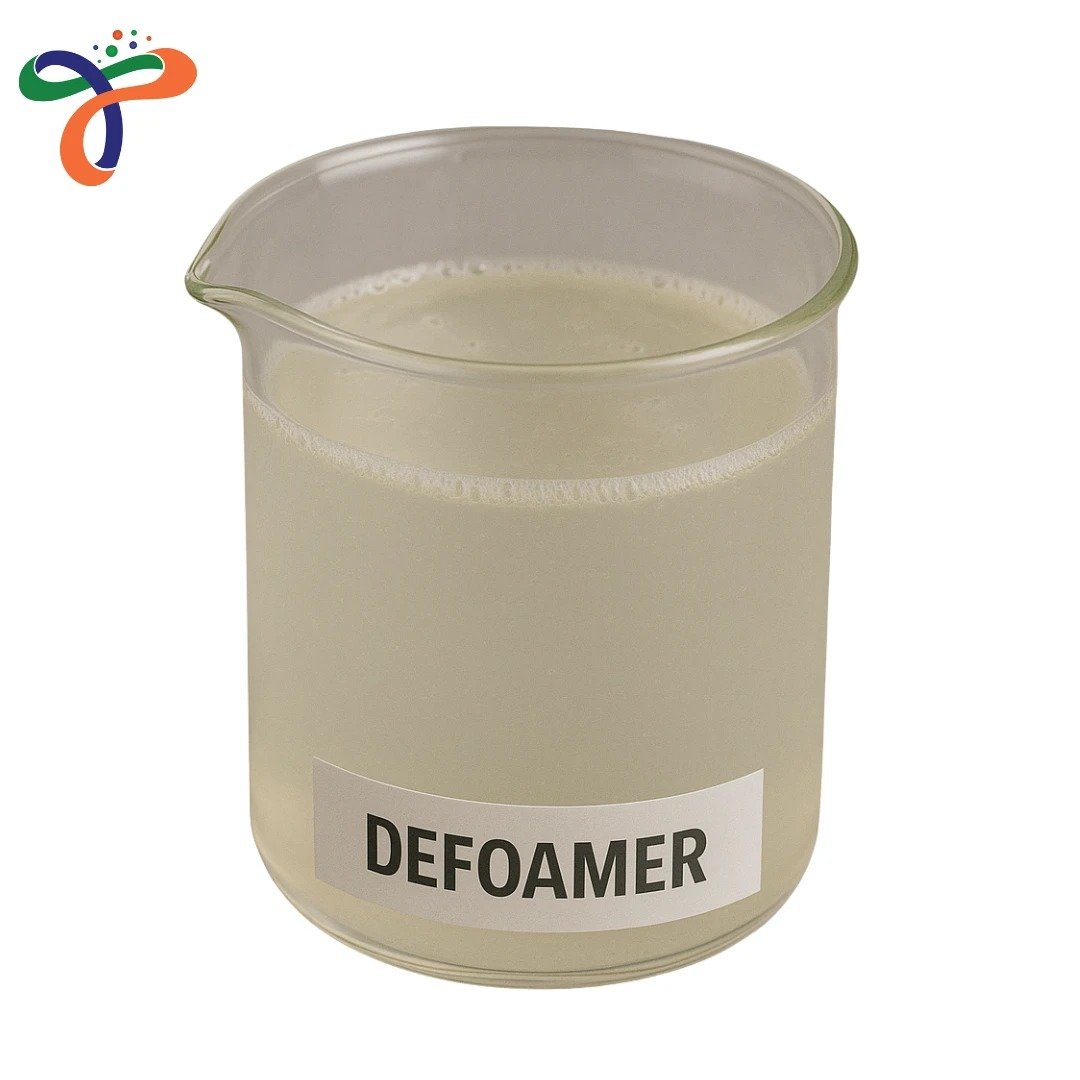
Defoamer M37 (High-Efficiency Industrial Foam-Control Agent)
High-performance Defoamer M37 (100% active foam-control agent) supplied in 45kg and 180kg plastic drums by KIKI'S…
CAS Proprietary Blend (63148-62-9 / 64742-52-5 / Silica) · Industrial Formulation Grade · Liquid

ABS/LAS 80% for Industrial Use (ABS/LAS)
ABS/LAS (80%) supplied by Kiki's Industrial Chemicals Ltd in 25kg bags across Kenya and East Africa.
Technical Grade · Powder

ATMP (50%)
ATMP (50%) supplied by Kiki's Industrial Chemicals Ltd in 200kg drum. Ideal for Water treatment chemicals.
50% · Standard Packaging

ATMP 50% for Industrial Use (ATMP)
ATMP (50%) supplied by Kiki's Industrial Chemicals Ltd in 200kg drums across Kenya and East Africa.
Technical Grade · Liquid
Related Technical Guides & Insights
View all →Formulating Contact and Polyurethane Adhesives: Ethyl Acetate Solvation Power and Open Time Control
Explore the polymer solvation mechanics of Ethyl Acetate in polychloroprene (neoprene) and polyurethane footwear, upholstery, and woodworking contact adhesives.
Coatings & InksSolvent Balance in Rotogravure and Flexographic Packaging Inks: Viscosity, Drying Speed, and Substrate Wetting
Learn how packaging ink formulators and press operators balance Ethyl Acetate with ethanol and retarders to achieve pinhole-free ink transfer on polyethylene and BOPP films.
Solvents & ExtractionEthyl Acetate Purity Standards: 99.8% Technical Grade Specifications, Moisture Limits, and Evaporation Dynamics
A deep technical evaluation of high-purity Ethyl Acetate 99.8% Min: ester chemistry, moisture contamination risks, fast evaporation dynamics, and quality verification standards in Kenya.