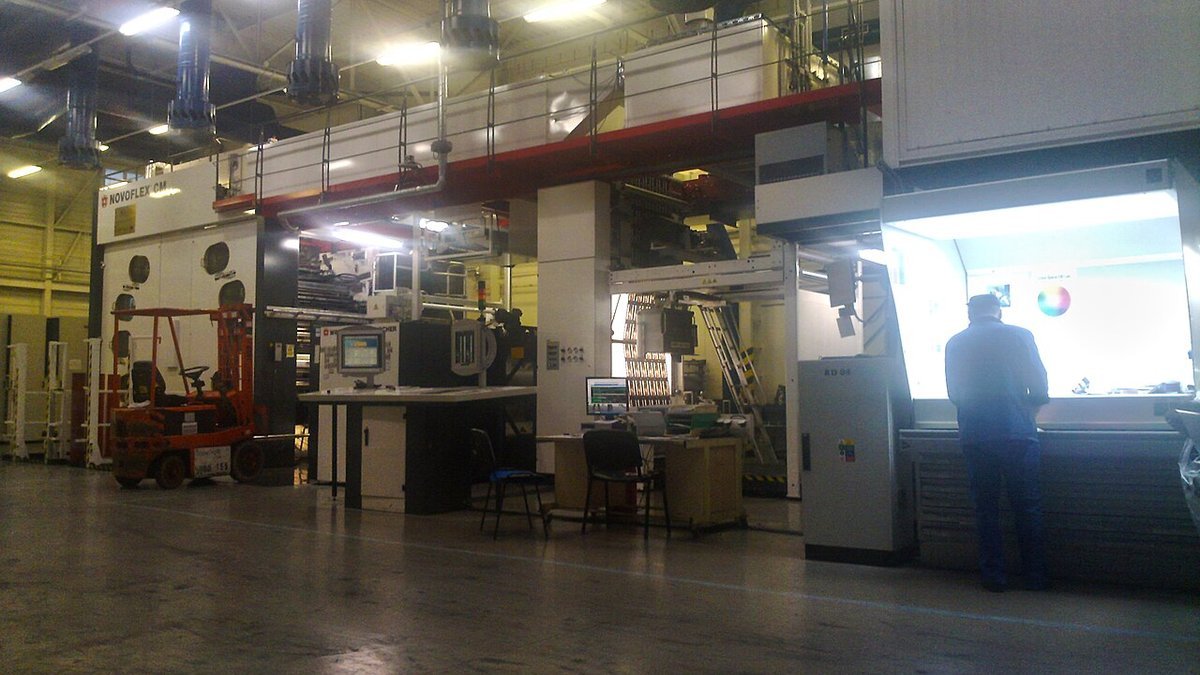
Industrial flexographic packaging printing press showing doctor blade ink chamber and active color web in operation
Chemical application profile

Printing Ink Solvent

Commercial packaging printers and flexible film converters in Industrial Area, Baba Dogo, and Athi River require precise solvent balances to regulate ink viscosity, dot gain, and drying rates on high-speed flexographic and gravure presses. KIKI'S supplies technical virgin solvents—including technical Ethyl Acetate, Isopropyl Alcohol 99%, Toluene, and Butyl Glycol—engineered for crisp ink transfer, controlled drying, and zero plate swelling on BOPP, PE, and paperboard packaging.

Target SectorsAgricultural & Horticultural Chemicals Supplier in Kenya · Agricultural & Horticultural Chemicals Supplier in Kenya · Animal Feed & Livestock Chemicals Supplier in Kenya
Packaging25kg Bags · 200L Drums · IBC Tankers · Bulk Delivery
DocumentationBatch COA, TDS & SDS Available on Request

Quick Answer — Printing Ink Solvent

For printing ink solvent applications, KIKI'S Industrial Chemicals supplies documented industrial-grade raw materials and specialty formulation chemicals. We provide consistent chemical inputs and technical documentation to commercial operators across Kenya and the East African market.

A printing ink solvent is an organic liquid or blended solvent mixture—predominantly esters, alcohols, and glycol ethers—used to dissolve polymeric ink resins, adjust fluid viscosity, and control drying rates during high-speed packaging printing.

Key Facts

  • •Application: Printing Ink Solvent
  • •Commercial Supply: Industrial chemical grades with full TDS and SDS documentation
  • •Regional Distribution: Dispatched from Nairobi to production plants across Kenya and East Africa
  • •Procurement Options: Commercial bags, drums, IBC totes, and scheduled delivery agreements

Primary Use Cases

Flexographic printing of polyethene (PE) and BOPP food and beverage packagingRotogravure printing on laminated barrier pouches and pharmaceutical foilsSolvent dilution and viscosity trimming in press ink circulating tanksAnilox roll and doctor blade chamber cleaning during color changeovers

Technical Process

Solvent Power, Resin Solubilization, and Viscosity Stabilization

In modern flexographic and rotogravure printing, liquid inks utilize synthetic binders—such as nitrocellulose (NC), polyamide, and acrylic resins—dissolved in active volatile organic solvents. The primary role of the solvent system is to completely solubilize these solid resin polymers at low operational viscosity (typically 18 to 25 seconds Ford Cup #4), ensuring smooth fluid transfer through anilox rolls to the printing plate.

Technical Ethyl Acetate serves as the high-strength active true solvent for nitrocellulose, providing immediate resin solvency and fast initial evaporation. Isopropyl Alcohol (IPA 99%) functions as the primary co-solvent and diluent, reducing overall mixture cost, lowering surface tension for superior substrate wetting, and moderating the evaporation rate to avoid premature ink drying on anilox roll cells.

Evaporation Balancing, Trapping and Climate-Tuned Retarders

Kenyan commercial press rooms experience wide ambient temperature fluctuations between cool highland mornings and blistering afternoon heat. To maintain consistent ink transfer without cell clogging or ink spitting, press operators introduce slow-evaporating retarder solvents such as Butyl Glycol (1–3%). This balanced evaporation curve ensures clean dot transfer and strong interlayer ink trapping across polyolefin film packaging.

Industrial flexographic packaging printing press showing doctor blade ink chamber and active color web in operation

Ethyl acetate, ethanol, n-propanol, and methoxypropanol solvent blends engineered for flexo and gravure printing inks.

Standard Application Process

  1. 1

    Base Ink Viscosity Measurement

    Measuring virgin concentrate ink viscosity using standard Zahn #2 or Ford #4 efflux cups at press ambient temperature.

  2. 2

    Solvent Blend Balancing

    Blending Ethyl Acetate (fast active solvent) with IPA 99% (retarder/co-solvent) in calculated ratios (e.g. 80:20 or 70:30).

  3. 3

    Controlled Press Dosing

    Gradually introducing solvent blend into circulating ink reservoirs under continuous mechanical or pneumatic agitation.

  4. 4

    Retarder Trimming for Climate

    Adding small fractions of Butyl Glycol (1–3%) during high-temperature daytime shifts to eliminate ink drying on anilox cells.

  5. 5

    Print Quality & Rub-Resistance QC

    Validating printed flexible film for color density, edge sharpness, dot gain, and tape adhesion according to packaging standards.

Recommended Chemicals for Printing Ink Solvent

Showing 1–3 of 3 catalogued products

Filter Full Catalogue (3) →
Industrial Solvents
Butyl Glycol (EGBE / Ethylene Glycol Monobutyl Ether) (Industrial Grade (99.5% Pure), Clear Colorless Liquid) in commercial industrial packaging

Butyl Glycol (EGBE Solvent) for Paints & Cleaners

High-purity Butyl Glycol (99.5% 2-Butoxyethanol / EGBE) coalescing solvent for waterborne paints, industrial…

Used for: Latex Paint Coalescing Solvent · Degreasing Solvent Applications · Printing Ink Solvent
185kg Steel Drum950kg IBC Tote220Kg Metal Drum (Origin: China)

CAS 111-76-2 · Industrial Grade (99.5% Pure) · Clear Colorless Liquid

View Product
Industrial Solvents
Ethyl Glycol Acetate (High-Purity Industrial Coating Grade, Clear Liquid) in commercial industrial packaging

Ethyl Glycol Acetate (EGA / CAC) for High-Grade Paints & Coatings

High-boiling Ethyl Glycol Acetate (EGA) coalescing solvent for paints, lacquers, wood coatings, and flexographic…

Used for: Latex Paint Coalescing Solvent · Printing Ink Solvent
200kg Steel Drum1,000kg IBC Tote190Kgmetal Drum (Origin: India)

CAS 111-15-9 · High-Purity Industrial Coating Grade · Clear Liquid

View Product
Industrial Solvents
20260421 164714

Toluene 99.8% (Methylbenzene) for Paints, Adhesives & Industrial Thinners

High-purity Toluene solvent (99.8% Methylbenzene) for paints, lacquers, thinners, adhesives, printing inks, and…

Used for: Degreasing Solvent Applications · Printing Ink Solvent · Latex Paint Coalescing Solvent
50kg bag180Kg Metal Drum (Origin: South Korea)

CAS 108-88-3 · Industrial / Pure Grade (99.8% Pure) · Clear Colorless Liquid

View Product

Key Performance Advantages

  • ✓
    Sharp Print Definition & Clean Trapping

    Maintains optimal ink viscosity for crisp micro-dots, sharp barcodes, and minimal dot gain on flexible packaging.

  • ✓
    Zero Anilox Roll Cell Clogging

    Balanced evaporation dynamics prevent ink from drying inside fine anilox micro-cells during high-speed runs.

  • ✓
    Climate-Tuned Press Adaptability

    Allows flexo press operators to adjust solvent ratios seamlessly between cool mornings and hot afternoon shifts.

  • ✓
    Superior Adhesion to Polyolefin Films

    Low surface tension solvent mixtures promote flawless ink wetting on corona-treated BOPP, HDPE, and LDPE films.

Key Industrial Use Cases

High-speed flexographic printing of polyethene (PE) and polypropylene (BOPP) snack food wrappersRotogravure flexible pouch and aluminum foil laminates printingCorrugated carton flexo water-borne and solvent-borne ink thinningPress anilox roller, doctor blade chamber, and ink fountain solvent washdown

COMMERCIAL & TECHNICAL GUIDANCE

FAQs — Printing Ink Solvent

Technical and process guidance for printing ink solvent in Kenya and East Africa.

A standard solvent system for nitrocellulose/polyamide flexographic inks consists of 70–80% Ethyl Acetate (active solvent) and 20–30% Isopropyl Alcohol (IPA 99% diluent). In hot weather, 1–3% Butyl Glycol or Methoxypropanol is added as a retarder to prevent drying on printing plates.