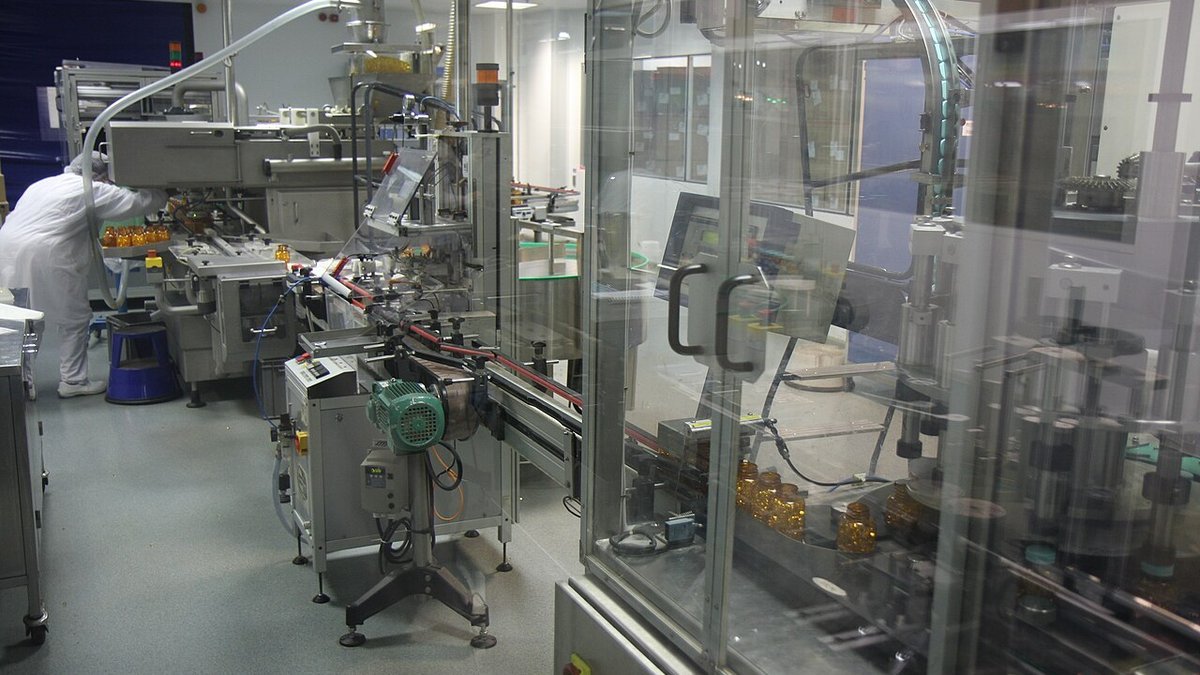
Automated pharmaceutical packaging line filling and sealing oral electrolyte containers in cleanroom
Chemical application profile

Oral Rehydration Formulation

Compounding life-saving Oral Rehydration Salts (ORS) and veterinary electrolyte powders in Kenya requires strict adherence to WHO/UNICEF reduced-osmolarity standards (245 mOsm/L) and pharmacopeial raw material purity (BP/USP). KIKI'S supplies certified pharmaceutical-grade salts and dextrose across East Africa.

Target SectorsPharmaceutical Raw Materials & Excipients Supplier Kenya · Animal Feed & Livestock Chemicals Supplier in Kenya · Food & Beverage Chemical Ingredients & CIP Sanitizers Kenya
Packaging25kg Bags · 200L Drums · IBC Tankers · Bulk Delivery
DocumentationBatch COA, TDS & SDS Available on Request

Quick Answer — Oral Rehydration Formulation

For oral rehydration formulation applications, KIKI'S Industrial Chemicals supplies documented industrial-grade raw materials and specialty formulation chemicals. We provide consistent chemical inputs and technical documentation to commercial operators across Kenya and the East African market.

Oral rehydration formulation is the precision compounding of pharmaceutical-grade mineral electrolytes and anhydrous dextrose to create reduced-osmolarity solutions that stimulate intestinal fluid absorption during dehydration.

Key Facts

  • •Application: Oral Rehydration Formulation
  • •Commercial Supply: Industrial chemical grades with full TDS and SDS documentation
  • •Regional Distribution: Dispatched from Nairobi to production plants across Kenya and East Africa
  • •Procurement Options: Commercial bags, drums, IBC totes, and scheduled delivery agreements

Primary Use Cases

Manufacturing WHO-standard reduced-osmolarity Oral Rehydration Salts (ORS) sachetsCompounding veterinary electrolyte powders for calf and livestock scours therapyFormulating commercial sports rehydration drinks and rapid hydration concentratesProduction of hospital clinical electrolyte powders and emergency disaster relief supplies

Technical Process

Biochemical Transport Kinetics of Reduced-Osmolarity ORS

Oral Rehydration Therapy is one of the greatest clinical advances of modern medicine, saving millions of lives from acute dehydrating diarrheal illnesses (such as cholera and rotavirus) across East Africa. The therapy exploits the sodium-glucose cotransport mechanism (SGLT-1) in the epithelial brush border of the small intestine.

Even when intestinal secretory pathways are severely stimulated by bacterial enterotoxins, the active coupled absorption of one sodium ion with one glucose molecule remains intact. As sodium and glucose are absorbed across the intestinal mucosa into enterocytes, water follows passively via osmotic gradient. According to WHO/UNICEF reduced-osmolarity specifications, the reconstituted solution must have a total osmolarity of exactly 245 mOsm/L.

Stoichiometric Mineral Ratios and Cleanroom Compounding

Formulating ORS requires precise stoichiometric ratios of four primary ingredients: Sodium Chloride BP (2.6 g/L), Anhydrous Glucose / Dextrose BP (13.5 g/L), Potassium Chloride BP (1.5 g/L), and Trisodium Citrate Dihydrate BP (2.9 g/L). Trisodium citrate replaces traditional bicarbonate because it provides superior chemical stability in hot, humid tropical warehousing without releasing carbon dioxide gas or caking inside sealed sachets.

Automated pharmaceutical packaging line filling and sealing oral electrolyte containers in cleanroom

Pharma-grade anhydrous dextrose, sodium chloride, potassium chloride, and trisodium citrate for ORS formulation.

Standard Application Process

  1. 1

    Cleanroom Humidity & Temperature Control

    Operating compounding suites under strict climate control (<40% relative humidity, 20–22°C) to prevent dextrose hygroscopic caking.

  2. 2

    Raw Material Sifting & Delumping

    Passing pharma-grade salts and dextrose through 40-mesh stainless steel vibrating sieves to break agglomerates.

  3. 3

    Precision Gravimetric Batching

    Weighing exact stoichiometric ratios of Sodium Chloride, Potassium Chloride, Trisodium Citrate, and Dextrose BP.

  4. 4

    Tumble Blending for Homogeneity

    Dry-blending ingredients in sanitary V-blenders or double-cone mixers for 15–20 minutes to achieve CV <2.5%.

  5. 5

    Hermetic Moisture-Barrier Sachet Packaging

    Automated form-fill-seal packaging into multi-layer aluminum foil laminates ensuring zero moisture ingress.

Recommended Chemicals for Oral Rehydration Formulation

Showing 1–1 of 1 catalogued products

Filter Full Catalogue (1) →
Food & Feed Additives
Dextrose Monohydrate (Glucose Powder) in 25 kg bag

Dextrose Monohydrate (Glucose Powder)

High-purity Food & Pharmaceutical grade Dextrose Monohydrate crystalline powder for beverages, food processing, animal…

Used for: Food Sweetener & Bulking Agent · Oral Rehydration Formulation
25kg Paper Bag with PE Inner Liner1,000kg Jumbo Bulk Bag25Kg Bag (Origin: China)

CAS 5996-10-1 · Food & Pharmaceutical Grade (BP / USP / FCC) · Crystalline White Powder

View Product

Key Performance Advantages

  • ✓
    Full WHO/UNICEF & PPB Monograph Compliance

    Certified BP/USP active pharmaceutical ingredients guarantee exact stoichiometric electrolyte balance.

  • ✓
    Superior Tropical Shelf-Life Stability

    Trisodium citrate dihydrate base prevents package swelling and caking in humid East African storage.

  • ✓
    Rapid Cellular Rehydration Kinetics

    Optimal sodium-glucose molecular ratio maximizes mucosal fluid uptake in both human and livestock patients.

  • ✓
    Ultra-Low Endotoxin & Bioburden Profiles

    Manufactured in WHO-GMP compliant facilities with certified microbiological and heavy metal assays.

Key Industrial Use Cases

Commercial pharmaceutical sachet manufacturing of WHO-formula Oral Rehydration Salts (ORS)Veterinary electrolyte powders and calf rehydration nutritional compoundingSports hydration powder mixes and rapid electrolyte replenishment drink formulationHospital clinical rehydration compounding and disaster relief medical supply packs

COMMERCIAL & TECHNICAL GUIDANCE

FAQs — Oral Rehydration Formulation

Technical and process guidance for oral rehydration formulation in Kenya and East Africa.

Sodium bicarbonate reacted with dextrose under warm, humid tropical storage conditions, causing severe discoloration (browning), caking, and package swelling due to carbon dioxide gas release. Trisodium citrate dihydrate is chemically stable and provides a 3-year shelf-life in laminated foil sachets.