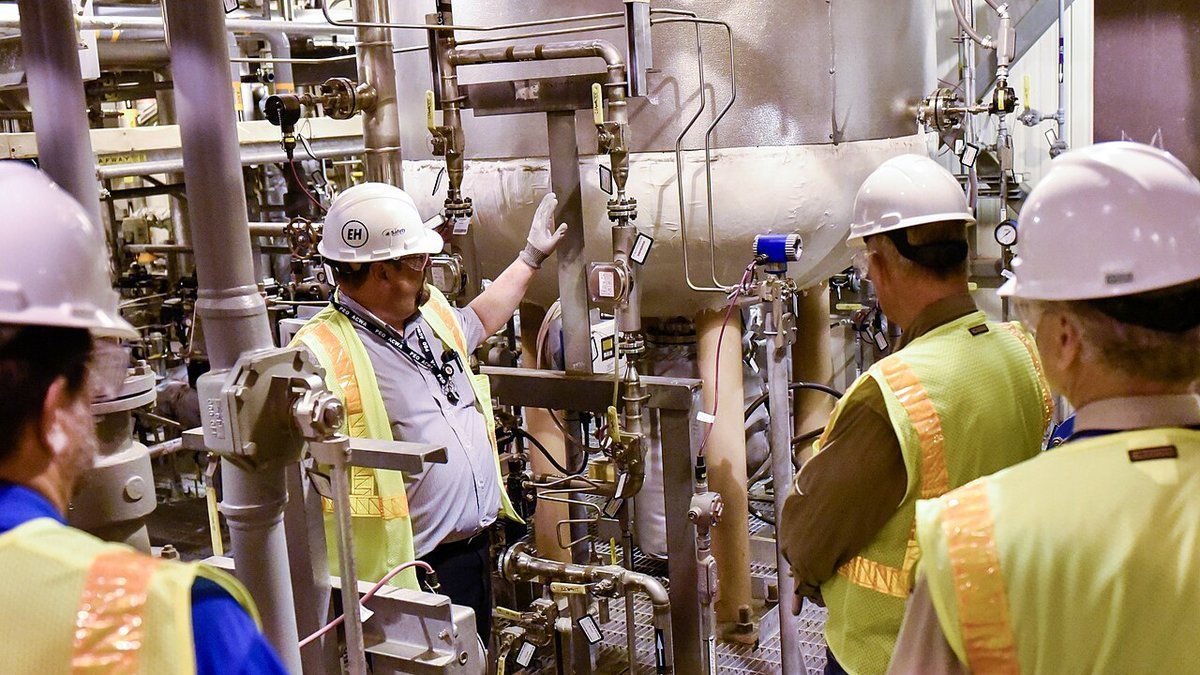
Stainless steel chemical neutralization reactor vessel with agitator drive and valve manifold
Chemical application profile

Anionic Surfactant Formulation

Formulating high-performance liquid detergents, shampoos, and degreasers relies on anionic surfactants like LABSA and SLES. Balancing neutralization kinetics, active matter, and salt viscosity curves is critical to producing crystal-clear, high-foaming commercial cleaning products. KIKI'S supplies primary surfactant bases across East Africa.

Target SectorsChemical Manufacturing & Toll Blending Raw Materials Kenya · Industrial Cleaning & Hygiene Chemicals Supplier in Kenya · Personal Care & Cosmetics Chemical Ingredients Kenya
Packaging25kg Bags · 200L Drums · IBC Tankers · Bulk Delivery
DocumentationBatch COA, TDS & SDS Available on Request

Quick Answer — Anionic Surfactant Formulation

For anionic surfactant formulation applications, KIKI'S Industrial Chemicals supplies documented industrial-grade raw materials and specialty formulation chemicals. We provide consistent chemical inputs and technical documentation to commercial operators across Kenya and the East African market.

Anionic surfactant formulation involves neutralizing sulfonic acids and blending ethoxylated sulfate salts to produce high-foaming, surface-active compounds that emulsify oils and lift soils in cleaning products.

Key Facts

  • •Application: Anionic Surfactant Formulation
  • •Commercial Supply: Industrial chemical grades with full TDS and SDS documentation
  • •Regional Distribution: Dispatched from Nairobi to production plants across Kenya and East Africa
  • •Procurement Options: Commercial bags, drums, IBC totes, and scheduled delivery agreements

Primary Use Cases

Formulating commercial dishwashing liquids and multi-purpose floor cleanersManufacturing high-foaming automotive snow foams and vehicle shampoosCompounding mild personal care liquid soaps, hand washes, and body washesProduction of industrial degreasers and textile scouring auxiliaries

Technical Process

Neutralization Thermodynamics and Micellar Architecture

Anionic surfactants form the foaming and grease-cutting core of the commercial cleaning industry. The primary workhorse in Kenya is Linear Alkylbenzene Sulfonic Acid (LABSA 96%). Transforming viscous, dark brown raw sulfonic acid into a high-foaming sodium sulfonate surfactant paste requires controlled neutralization with caustic soda (NaOH) or soda ash (Na2CO3).

Neutralization is an exothermic chemical reaction. If caustic soda is dosed too rapidly without adequate cooling, batch temperatures can exceed 70°C, causing darkening, odor degradation, and thermal breakdown of the surfactant molecule. The reaction endpoint must be carefully monitored to a neutral pH range of 7.0 to 8.0; under-neutralized acid leaves free unreacted LABSA that irritates skin, while excess caustic soda turns the batch unworkably alkaline.

Viscosity Building and Foam Stabilization

In light-duty liquid detergents and shampoos, Sodium Lauryl Ether Sulfate (SLES 70%) is blended alongside neutralized LABSA to provide rich, creamy lather and gentle dermatological compatibility. Viscosity is built by adding secondary non-ionic surfactants like CDEA (Coconut Diethanolamide) or amphoteric CAPB, followed by electrolyte titration (refined vacuum salt) to cross the micellar entanglement threshold.

Stainless steel chemical neutralization reactor vessel with agitator drive and valve manifold

SLES, LABSA, and specialty surfactant raw materials for industrial and commercial detergent formulation in East Africa.

Standard Application Process

  1. 1

    Water Charge & Temperature Setup

    Charge soft water into the mixing tank at room temperature and engage high-shear agitation.

  2. 2

    Caustic Soda Neutralization

    Slowly meter dissolved caustic soda lye into the water under continuous stirring to prepare the alkaline receiver.

  3. 3

    LABSA Acid Neutralization

    Gradually add LABSA 96% while monitoring batch temperature (<55°C) until stoichiometric neutralization occurs.

  4. 4

    SLES Dissolution & Co-Surfactants

    Incorporate pre-diluted SLES 70% and foam boosters (CDEA/CAPB) to build micellar foam structure.

  5. 5

    pH Trim & Salt Viscosity Curve

    Trim final pH to 7.0–7.5 with citric acid, and add dissolved high-purity salt to achieve target centipoise viscosity.

Recommended Chemicals for Anionic Surfactant Formulation

Showing 1–1 of 1 catalogued products

Filter Full Catalogue (1) →
Surfactants & Detergent Chemicals
Sulphonic Acid / LABSA 90% (Detergent / Industrial Surfactant Grade, Viscous Brown Liquid) in commercial industrial packaging

LABSA 90% (Sulphonic Acid) for Liquid Soap & Detergent Making

Premium Linear Alkylbenzene Sulphonic Acid (LABSA 90%) anionic surfactant for liquid detergent, washing powder, and…

Used for: Liquid Detergent Manufacturing · Anionic Surfactant Formulation
215kg Blue HDPE Plastic Drum1,050kg IBC Tote

CAS 27176-87-0 · Industrial Grade · Liquid

View Product

Key Performance Advantages

  • ✓
    Maximum Grease Emulsification

    High active sulfonate matter rapidly dissolves hydrophobic animal fats and vegetable oils.

  • ✓
    Dense, Stable Foam Flash

    Synergistic SLES-LABSA-CDEA matrix yields rich, long-lasting lather even in moderately hard water.

  • ✓
    Crystal Clarity & Stability

    Controlled neutralization prevents haziness, phase separation, or precipitation in cold storage.

  • ✓
    Economic Formulation Versatility

    High concentration raw active bases allow blenders to formulate tiered premium and economy product lines.

Key Industrial Use Cases

Commercial liquid dishwashing detergent and all-purpose cleaner blendingVehicle wash shampoos and high-foaming exterior traffic-film removersPersonal care body wash, liquid hand soap, and hair shampoo compoundingIndustrial laundry detergents and textile wet scouring agent formulation

COMMERCIAL & TECHNICAL GUIDANCE

FAQs — Anionic Surfactant Formulation

Technical and process guidance for anionic surfactant formulation in Kenya and East Africa.

Neutralizing 1.0 kg of 96% active LABSA requires approximately 0.125 to 0.130 kg of 100% sodium hydroxide (NaOH) flakes. In practice, caustic soda is pre-dissolved in water, and the final 5% is titrated slowly to achieve a neutral pH of 7.0 to 7.5.