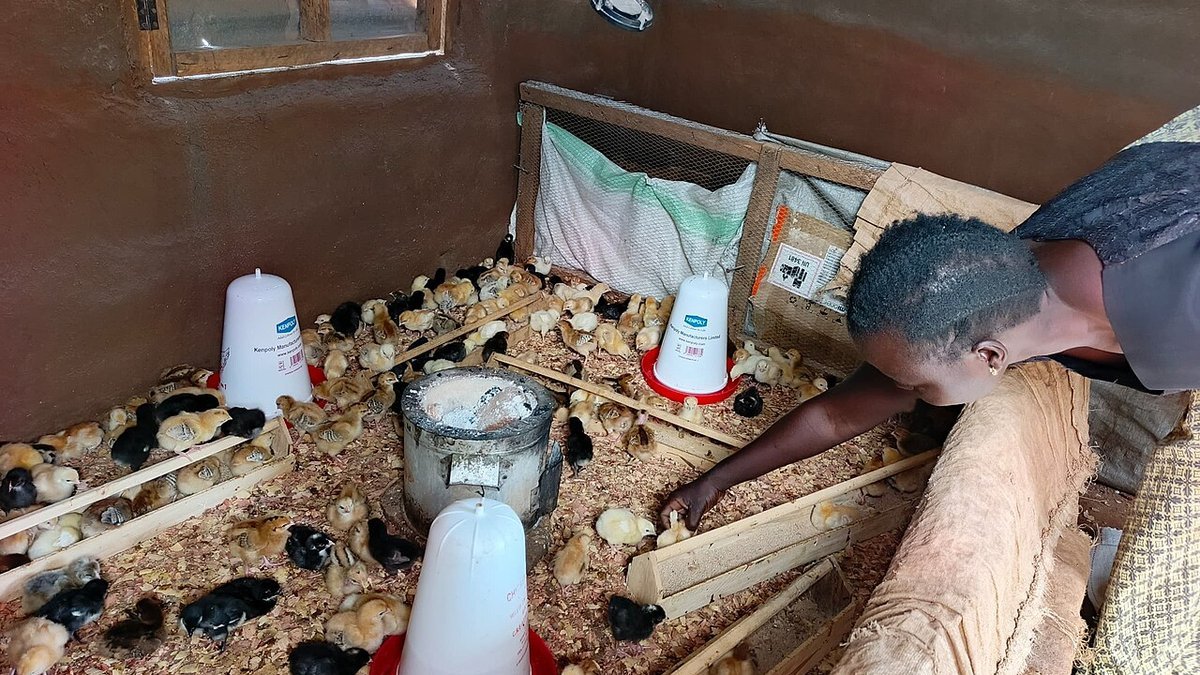
Poultry Farm Disinfection
Commercial broiler, layer, and breeder poultry operations across Kiambu, Naivasha, Nakuru, and Machakos rely on rigorous chemical biosecurity to eradicate Newcastle disease, Infectious Bursal Disease (Gumboro), and Salmonella enterica. KIKI'S supplies high-potency Calcium Hypochlorite 70%, Sodium Hypochlorite, stabilized Hydrogen Peroxide 50%, and Caustic Soda for terminal shed cleanout, automated drinker descaling, and continuous vehicle wheel-dip sanitation.
Quick Answer — Poultry Farm Disinfection
For poultry farm disinfection applications, KIKI'S Industrial Chemicals supplies documented industrial-grade raw materials and specialty formulation chemicals. We provide consistent chemical inputs and technical documentation to commercial operators across Kenya and the East African market.
Poultry farm disinfection is the systematic application of alkaline detergents, oxidizing biocides, and descaling agents to poultry housing, drinking water equipment, and farm access perimeters to eliminate pathogenic bacteria, viruses, and fungi between production flocks.
Key Facts
- •Application: Poultry Farm Disinfection
- •Commercial Supply: Industrial chemical grades with full TDS and SDS documentation
- •Regional Distribution: Dispatched from Nairobi to production plants across Kenya and East Africa
- •Procurement Options: Commercial bags, drums, IBC totes, and scheduled delivery agreements
Primary Use Cases
Technical Process
Terminal Shed Cleanout, Organic Depletion and Alkaline Stripping
Commercial poultry housing in Kenya accumulates deep layers of litter, dried manure, feathers, and lipid fats that harbor virulent poultry pathogens. Terminal disinfection cannot succeed if applied over residual organic matter. Following flock depopulation, surfaces undergo dry sweeping and high-pressure washing with a 1.0–2.0% hot Caustic Soda (Sodium Hydroxide) or heavy alkaline detergent solution. This saponifies animal fats, solubilizes dried organic encrustations, and exposes bare concrete floors and galvanized mesh to chemical contact.
After rinsing and thorough drying, terminal biocidal treatment is executed using Calcium Hypochlorite (70% active chlorine) or stabilized Sodium Hypochlorite dosed at 500–1,000 ppm available chlorine. For enclosed environment decontamination, cold aerosol fogging with stabilized Hydrogen Peroxide (50% w/w diluted to 3.0%) penetrates micro-crevices, roof rafters, and evaporative cooling pads, destroying fungal spores like Aspergillus fumigatus and viral capsids.
Automated Drinker Line Biofilm Descaling and Biosecurity Barriers
Drinker lines accumulate stubborn bacterial biofilms and mineral scale (calcium and iron) from borehole water. Operators flush nipple lines between flocks with a 2.0–3.0% Hydrogen Peroxide solution, letting it dwell for 12–24 hours to oxidize polysaccharide matrices and lift scale, followed by a high-velocity potable water flush. Continuous biosecurity barriers—including vehicle wheel wash dips and boot baths charged with Calcium Hypochlorite at 1,000 ppm—prevent cross-contamination from delivery trucks and farm personnel.
Terminating disinfectants, water line sanitizers, and hatching egg fumigants for commercial poultry enterprises in Kenya.
Standard Application Process
- 1
Dry Manure Stripping & Pre-Wash
Removing all spent litter, bedding, and organic matter followed by low-pressure soaking to soften caked deposits.
- 2
Alkaline Degreasing Wash
Applying 1.5% caustic soda solution under high pressure (100–150 bar) to saponify fats and remove grease films.
- 3
High-Potency Terminal Disinfection
Spraying broad-spectrum Calcium Hypochlorite (70%) at 800–1,000 ppm active chlorine across all walls, floors, and mesh.
- 4
Drinker Line Biofilm Oxidation
Charging automated nipple water lines with 2.5% stabilized hydrogen peroxide to eradicate internal bacterial slime and scale.
- 5
Aerosol Fogging & Biosecurity Dips
Thermal/cold fogging the sealed house and replenishing outdoor footbaths and vehicle wheel dips with fresh chlorine biocide.
Recommended Chemicals for Poultry Farm Disinfection
Showing 0–0 of 0 catalogued products
Custom chemical formulations available for this application. Request a quote to specify your requirements.
Key Performance Advantages
- ✓Complete Flock Pathogen Eradication
Destroys Newcastle disease, Gumboro virus, Salmonella, and E. coli on all structural surfaces.
- ✓Scale and Biofilm-Free Drinker Lines
Oxidizes slimy bacterial plaques and mineral deposits, ensuring clean medication and water delivery.
- ✓Reduced Early Chick Mortality
Superior shed sanitation delivers cleaner brooding environments, driving down 7-day chick mortality rates.
- ✓Cost-Effective Bulk Chemical Disinfection
Industrial calcium hypochlorite granules provide far higher chlorine potency per shilling than consumer disinfectants.
Key Industrial Use Cases
COMMERCIAL & TECHNICAL GUIDANCE
FAQs — Poultry Farm Disinfection
Technical and process guidance for poultry farm disinfection in Kenya and East Africa.
Chlorine disinfectants are immediately neutralized by organic matter such as manure, feathers, and bird fat. Washing with caustic soda or alkaline detergent saponifies and strips fats and organic films, allowing chlorine to achieve direct, uninhibited biocidal contact with bacteria and viruses on the clean surface.